I still remember the first time I pressed a seed into soil and watched it sprout—it was magic. My grandmother’s garden in New Mexico taught me that plants don’t just grow; they thrive with care, patience, and a little bit of intuition. This site is my way of paying that forward, sharing the lessons I’ve learned (and the mistakes I’ve made) so others can find joy in their own green spaces.
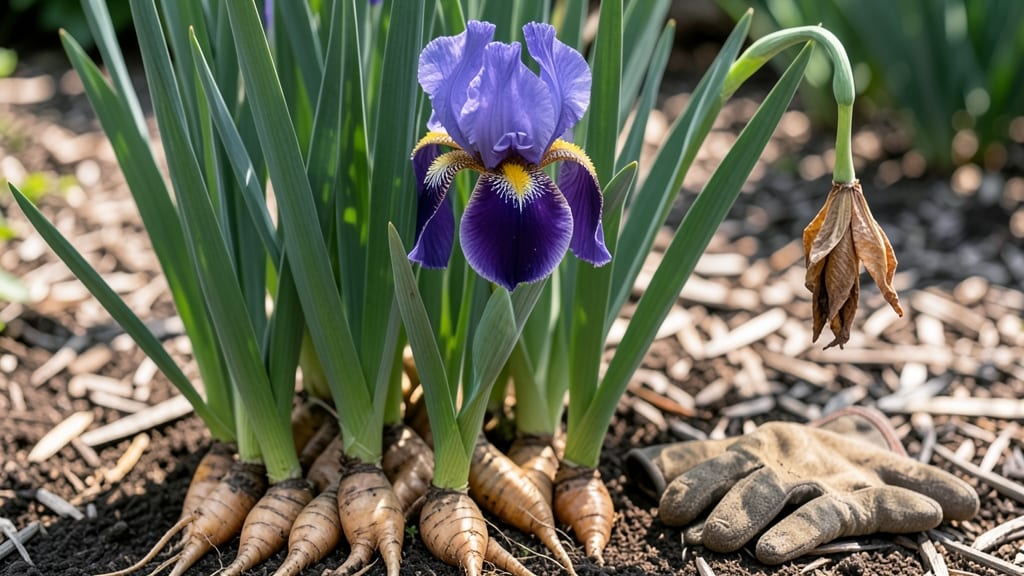
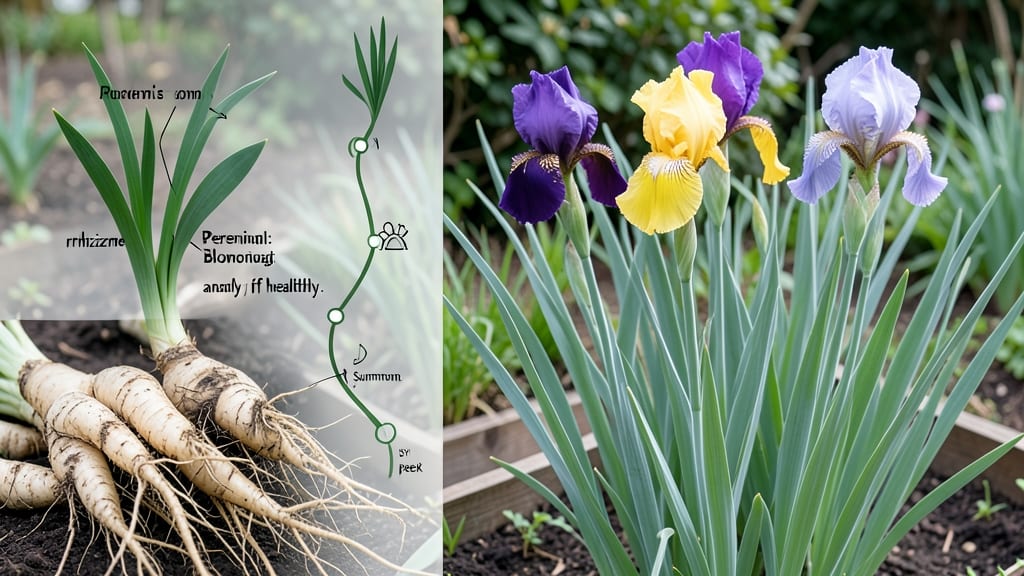
💥 Quick Answer Not all iris varieties bloom every year: bearded irises typically flower annually, while rhizomatous types like Siberian or Japanese irises often bloom biennially or sporadically, depending on sunlight…
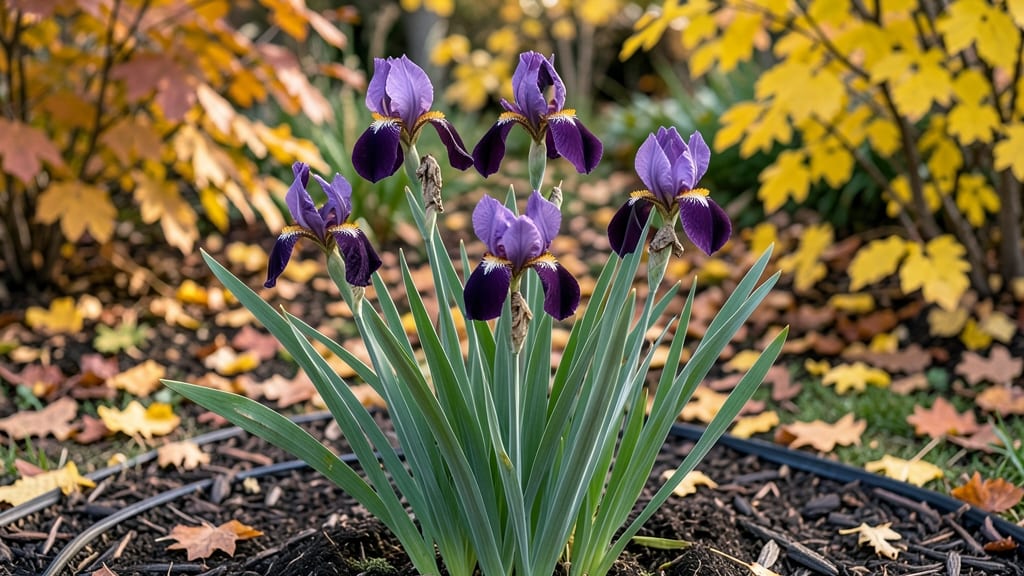
💥 Quick Answer Iris blooms rarely appear the first year, as they typically require 1-2 years to establish roots and energy reserves before flowering. Planting in well-draining soil and providing consistent sunlight…
💥 Quick Answer Irises don't bloom every year because their growth cycles depend on storing energy during dormancy periods. While many varieties flower annually, others may skip years due to environmental stress, poor…
💥 Quick Answer Fall-blooming irises do exist, particularly among late-season or reblooming types like Louisiana irises, certain bearded irises, and Siberian varieties that thrive in warm climates or extended growing…
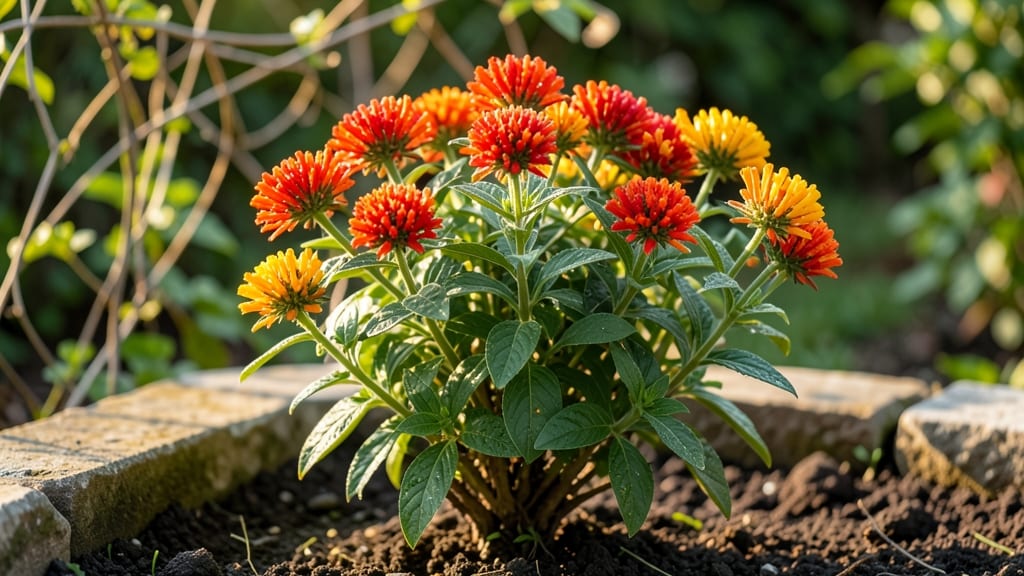
💥 Quick Answer Lantana blooms all summer in warm climates, producing vibrant clusters from late spring until frost, though heavy pruning can extend flowering into fall. Cooler regions may see shorter bloom cycles unless…
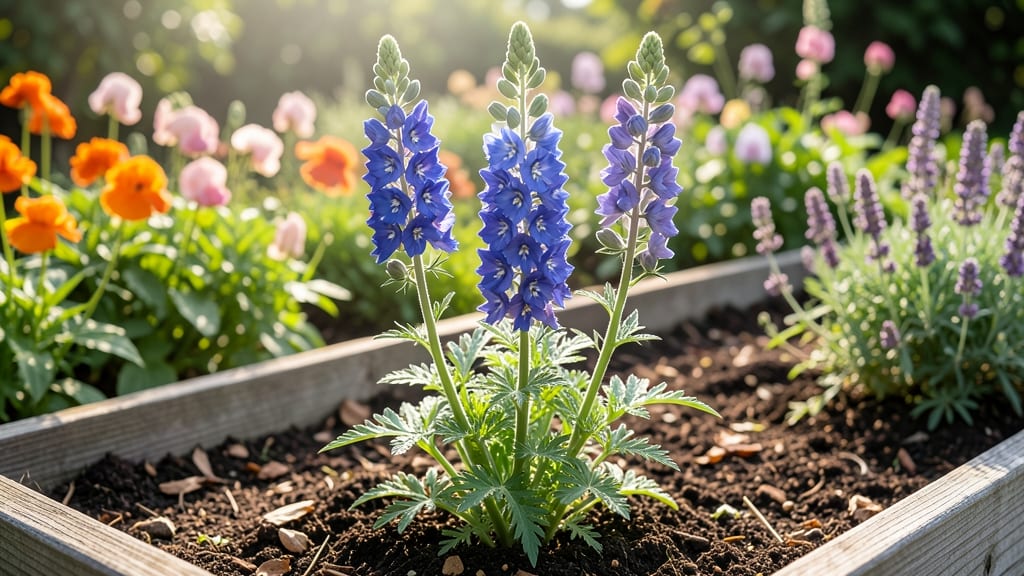
💥 Quick Answer Larkspur does not bloom all summer: its peak flowering occurs in late spring to early summer (May–June), though some varieties may rebloom briefly in fall. Cooler climates naturally extend the bloom…
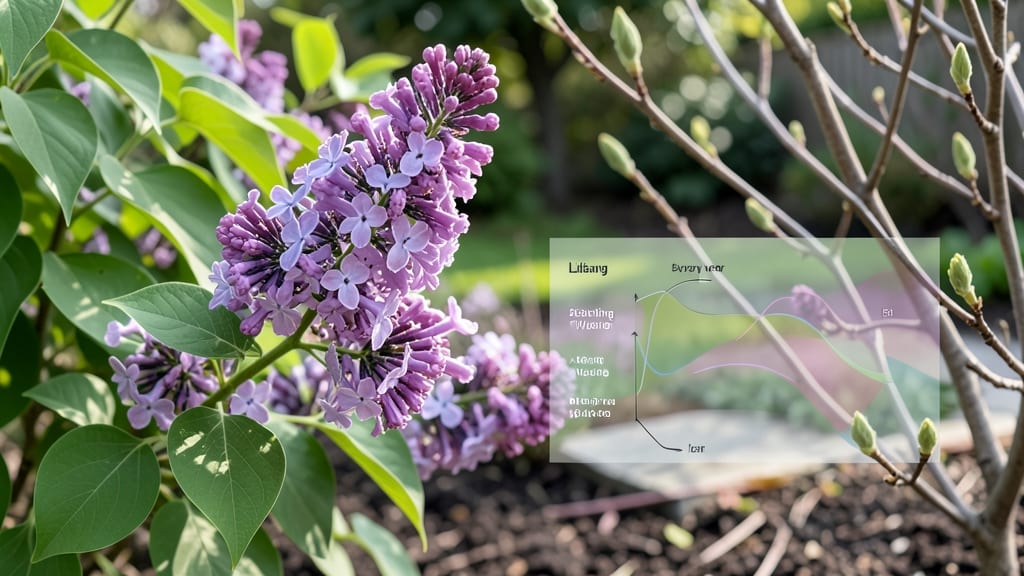
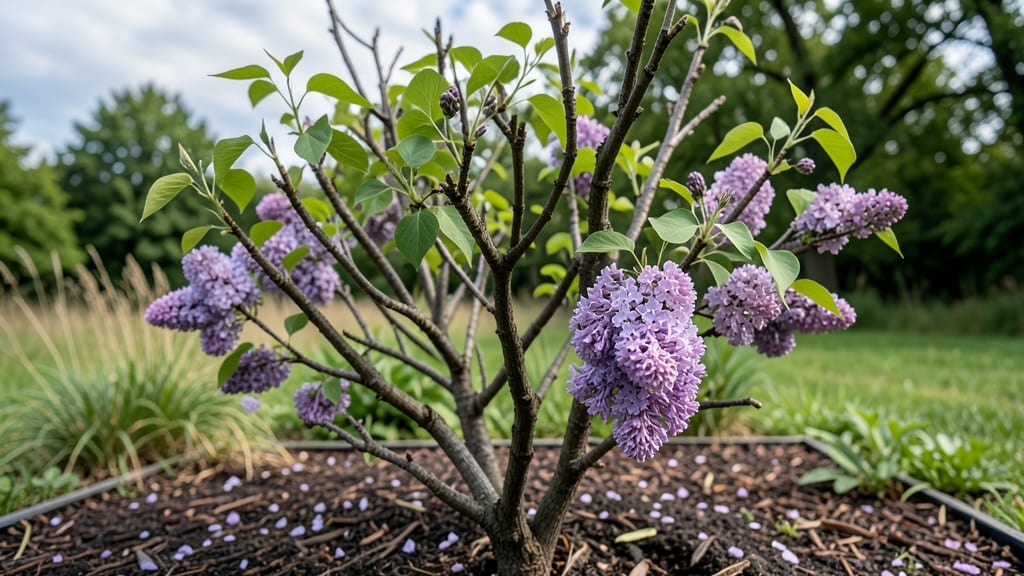
💥 Quick Answer Lilacs bloom all summer only in mild climates, where most varieties flower primarily in spring (April–May) and some rebloom in late summer with proper pruning. Cool-season climates restrict blooms to…
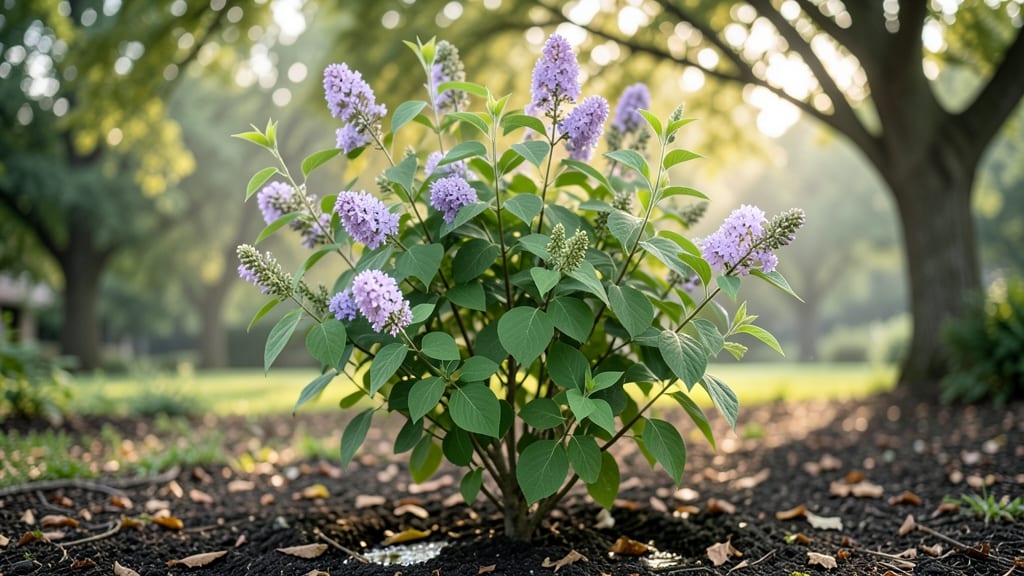
💥 Quick Answer Lilacs bloom every year once mature, but their annual flowering depends on factors like maturity, sunlight exposure, and winter chilling hours. Young plants or those in warm climates may skip blooming…
💥 Quick Answer Yes, lilacs bloom on old wood, which means their flowers grow on the previous year's growth rather than new stems. Pruning after blooming helps maintain next year's flowers, while cutting back too soon…
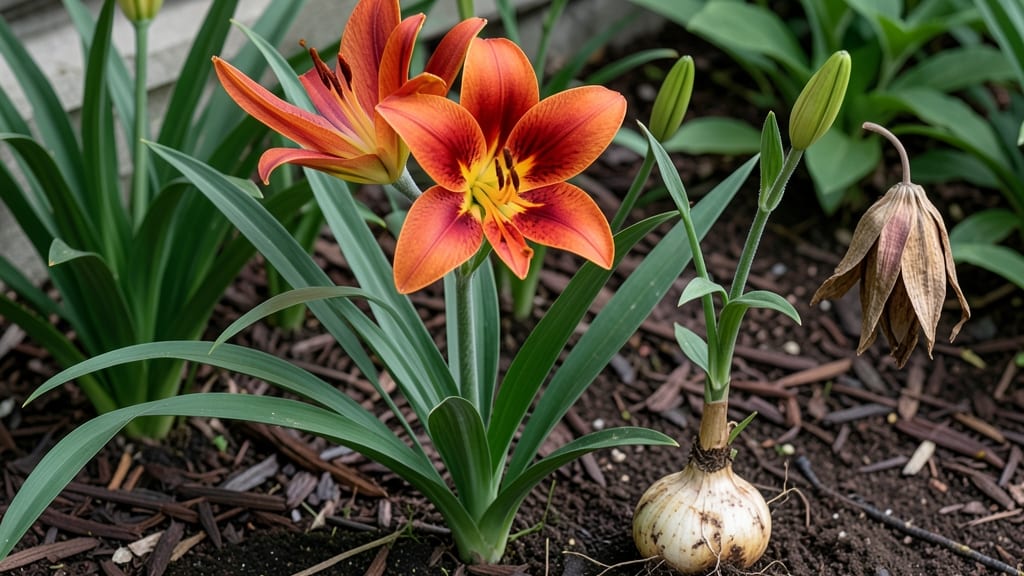
💥 Quick Answer Lilies bloom again only if they're perennial varieties like Asiatic, Oriental, or Stargazer types, planted in well-draining soil with consistent care. Most true lilies (Lilium species) die back after…