
Blooming
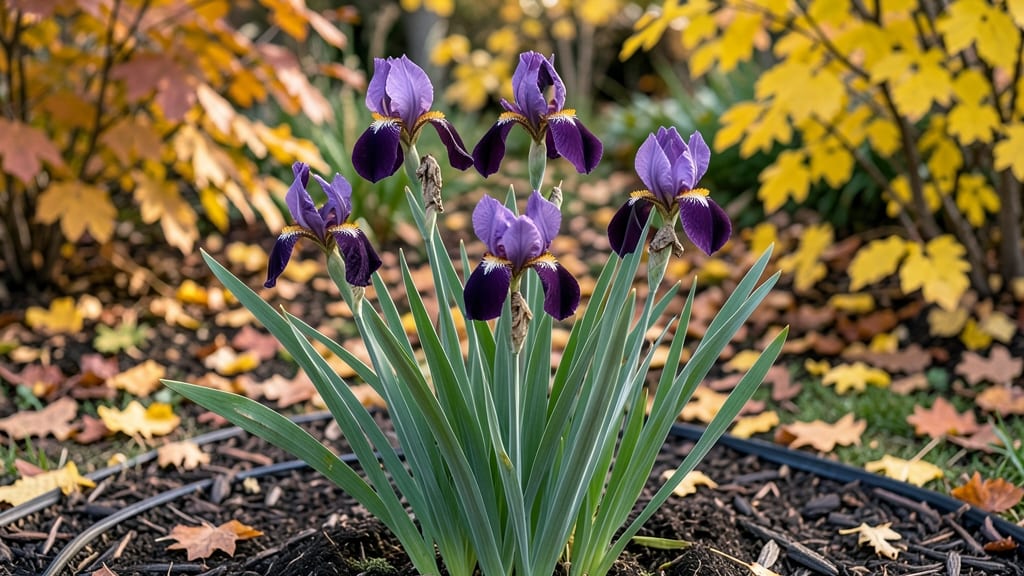
Fall-blooming irises do exist, particularly among late-season or reblooming types like Louisiana irises, certain bearded irises, and Siberian varieties that thrive in warm climates or extended growing seasons. While most irises bloom in spring, these exceptions can produce vibrant fall flowers with the right care and species selection.
Not all irises follow the spring-only blooming rule—some varieties are genetically programmed to flower in fall instead. 🌸 Louisiana irises, for example, naturally bloom in late summer to early fall, while certain bearded irises (like 'Florence' or 'George') can be coaxed into reblooming with proper fertilization and deadheading.
Siberian irises often surprise gardeners with late-season blooms when grown in regions with mild autumns. The key difference lies in their photoperiod sensitivity: these varieties respond to shorter daylight hours rather than temperature alone.
If you're eager to add fall color, focus on selecting these specific types and providing consistent moisture during their growth phase. Mulching helps regulate soil temperature, while dividing clumps every 3-4 years keeps them vigorous. Just remember—fall-blooming irises may sacrifice spring blooms, so balance your garden's seasonal interest accordingly.
💡 In This Article
- Why Some Iris Varieties Bloom in Fall Instead of Spring
- Best Fall-Blooming Iris Types and How to Grow Them
Why some iris varieties bloom in fall instead of spring
Most irises follow a spring blooming cycle because their growth is triggered by the combination of cool winter temperatures and increasing daylight in early spring. However, certain varieties have evolved to respond differently to seasonal cues.
Louisiana irises (Iris spp.), for example, originate from humid, subtropical regions where they naturally bloom in late summer to early fall.
Their genetic makeup makes them photoperiod-insensitive, meaning they flower based on temperature shifts rather than daylight length, which is why they thrive in zones 6-10 and often produce blooms when nights stay above 50°F.
The science behind this involves a plant hormone called florigen, which signals blooming. In fall-blooming irises, cooler autumn temperatures combined with shorter days stimulate florigen production earlier than in spring varieties.
Siberian irises (Iris sibirica) also exhibit this trait, though their blooms may appear in late spring or early fall depending on the region.
What's fascinating is how these varieties can produce two bloom cycles per year—a trait called reblooming—when given the right conditions, such as consistent moisture and balanced fertilization.
Climate plays a critical role in determining whether these irises will bloom in fall. In warmer regions like the southeastern U.S., Louisiana irises often produce their most vibrant blooms in September or October.
Meanwhile, in cooler climates, they may delay blooming until late fall or even winter if temperatures remain mild. The key factor is the average nighttime temperature, which should stay above 45°F for at least 6-8 weeks before blooming.
This is why gardeners in zones 7-9 often see fall blooms, while those in colder zones may need to provide extra mulch or microclimate protection.
Another important distinction is how these varieties store energy. Spring-blooming irises rely on reserves built up during the previous growing season, while fall-blooming types often photosynthesize actively right up until blooming. This means they require consistent moisture throughout the summer to fuel their late-season flowers.
Without adequate water, their blooms may be sparse or fail entirely. 🌿 For instance, Louisiana irises need 1-1.5 inches of water per week during their active growth phase, while Siberian irises are slightly more drought-tolerant but still benefit from regular watering.
What most gardeners don't realize is that fall-blooming irises often sacrifice some spring blooms to produce their autumn display. This trade-off is due to their energy allocation strategy, where resources are directed toward late-season growth rather than early-season flowering.
For example, a Louisiana iris that blooms in October may produce only a few small spring blooms—or none at all—compared to its spring-only cousins. This is why selecting the right variety for your climate and garden goals is essential.
Consider these key factors when choosing fall-blooming irises:
- Climate zone: Louisiana irises excel in zones 6-10, while Siberian types thrive in zones 3-9.
- Sunlight needs: All fall-blooming irises require full sun (6+ hours daily) for best performance.
- Soil type: Well-draining, slightly acidic soil (pH 6.0-7.0) prevents root rot.
- Fertilization: Use a balanced 10-10-10 fertilizer in early summer to encourage blooming.
The result? A garden that stays vibrant well into autumn, with irises adding their unique charm when many other perennials have faded. 🌸