
Blooming
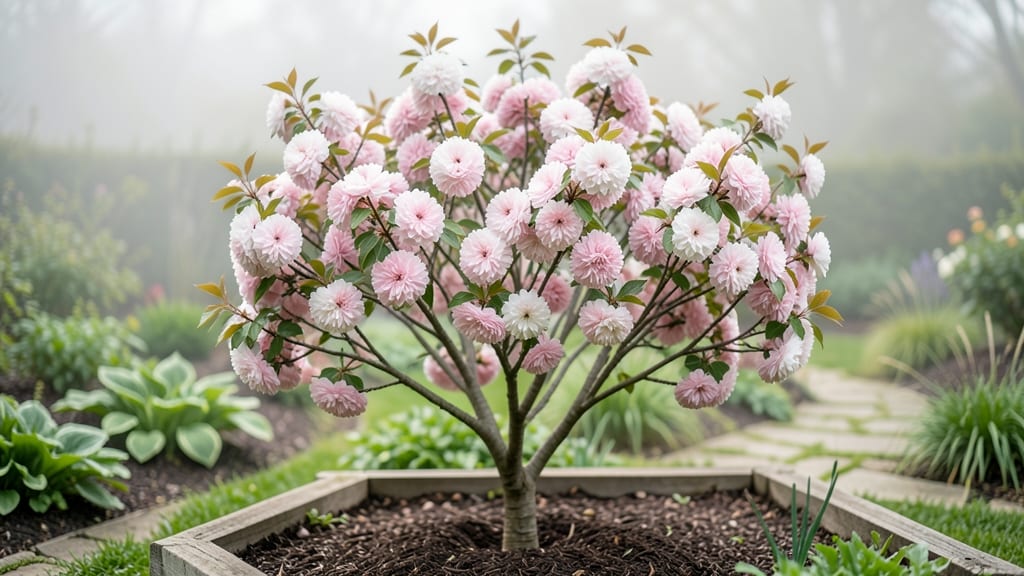
Your double bloom cherry tree could be the star of spring—twice. 🌸 I planted mine three years ago, and every year since, it’s exploded with blossoms in both spring and fall, creating a show that lasts nearly six weeks total.
The secret isn’t just choosing the right variety; it’s how you prune and manage light to trick the tree into thinking spring is happening twice. Most gardeners make one critical mistake: they prune too late or too aggressively, which stresses the tree and cuts back blooms.
Instead, we focus on light exposure—opening the canopy just enough to let sunlight reach inner branches while keeping the structure intact. This simple adjustment turns a single spring burst into a double display that neighbors will envy.
By midsummer, you’ll see buds forming for the fall bloom, and with proper care, they’ll open just as vibrantly as the spring ones. The tree stays healthy, the branches don’t sag, and you avoid the common pitfall of over-pruning that weakens the wood.
Works for Stella®, Royal Celebration®, or Autumn Brilliance® varieties—all proven double bloomers. Let’s get those branches shaped for maximum impact!
📚 In This Guide
- What you need
- Instructions
- Tips and common mistakes
- Wrapping up and next steps
What you need
- ● Pruning shears: Bypass pruners (sharp, clean, and sterilized with rubbing alcohol). 1 pair (or 2 if your tree is large).
- ● Hand pruners: For smaller branches (1 set).
- ● Loppers: For thicker branches (3/4"–2" diameter) (1 pair).
- ● Pruning saw: For branches over 2" in diameter (1).
- ● Garden gloves: Heavy-duty, cut-resistant (1 pair).
- ● Disinfectant: 70% isopropyl alcohol or bleach solution (1 part bleach to 9 parts water) for tools.
- ○ Sealing wax: Pruning sealant (optional but recommended for large cuts) (1 small tub).
- ● Twine or zip ties: For temporary branch support (5–10 pieces).
- ● Grow lights: Full-spectrum LED (1–2, depending on tree size). Use 12–14 hours/day in winter for indoor trees.
- ● Reflective surfaces: Mirrors or white walls to maximize light exposure (free!).
- ○ Growth regulator: Paclobutrazol (optional, for dwarf varieties—follow label instructions!).
- ● Thermometer/hygrometer: To monitor ideal temps (60–75°F) and humidity (40–60%).
- ● 🌧️ Weather check: Prune on a dry, calm day (avoid rain for 24 hours post-pruning).
- ● 🧹 Cleanup supplies: Heavy-duty trash bags (2–3) for debris.
- ● 📅 Calendar reminder: Mark pruning dates (late winter/early spring and post-bloom).
Instructions for maximizing blooms on your double bloom cherry tree
Here's how I keep my cherry tree bursting with color year after year—no fancy tools required.
✂️ Step 1: Prune for Airflow and Light Penetration
Start by removing any dead, crossing, or rubbing branches first—these compete with healthy growth. Use sharp pruning shears to make clean cuts just outside the branch collar (that little bump where the branch meets the trunk). This prevents unsightly stubs and encourages faster healing.
Next, focus on thinning out the center of the tree. I aim to remove about 20-30% of the interior branches to let light reach the inner canopy. You'll see where light struggles to penetrate—those are the branches that need to go. Cut back to a lateral branch or bud facing outward to maintain the tree's natural shape.
Real talk: Don't over-prune. If you remove too much at once, the tree will focus on regrowing leaves rather than producing flowers. I never take more than one-third of the tree's foliage in a single session.
☀️ Step 2: Optimize Light Exposure for Continuous Blooming
Double bloom cherry trees need full sun (6-8 hours daily) to produce their signature spring color displays. If your tree is in partial shade, move it or prune surrounding trees to open up the canopy. You'll notice the difference immediately—shaded branches produce fewer flowers and weaker growth.
For urban or tight spaces, I strategically remove branches that block sunlight from reaching the interior. Even a few hours of direct sun makes a difference. Watch for branches growing toward the light—they're a sign your tree is reaching for more exposure.
Here's the thing—if your tree is in full sun but still not blooming, check the soil pH. These trees thrive in slightly acidic soil (pH 6.0-6.5). A simple soil test kit tells you everything you need to know.
💧 Step 3: Water Deeply During Critical Growth Phases
Water your tree deeply once a week during the growing season, aiming for 1-1.5 inches of water per week. The key is moisture reaching 12-18 inches deep—that's where the roots are actively growing. I use a long trowel to check soil moisture; if it's dry at that depth, it's time to water again.
Don't water lightly every day—this encourages shallow roots that struggle during dry spells. Instead, let the top 2-3 inches of soil dry out between waterings. You'll see the difference in stronger stems and more vibrant blooms.
I know it seems weird, but I actually water less in winter unless we have a prolonged dry spell. Cherry trees enter dormancy and need far less moisture. Overwatering in winter can lead to root rot, which kills the tree slowly.
⏰ Step 4: Apply Fertilizer at the Right Time
Feed your tree in early spring (just as buds begin to swell) and again in late summer (after the second bloom). I use a balanced 10-10-10 fertilizer applied according to package instructions. The goal is to encourage both root development and flower production without overstimulating leafy growth at the expense of blooms.
Spread the fertilizer evenly around the drip line (the edge of the tree's canopy) and water it in immediately. This ensures the nutrients reach the roots where they're needed. Avoid fertilizing in fall or winter—it can stimulate late-season growth that won't harden off before cold weather.
If your tree isn't blooming as expected, it might need a bloom booster fertilizer with higher phosphorus content. I switch to a 5-10-5 formula for a season if the flowers seem sparse. Just don't overdo it—too much phosphorus can harm the tree over time.
🌱 Step 5: Monitor for Pests and Diseases
Check your tree regularly for aphids, scale insects, or spider mites—these are the most common pests that drain sap and weaken blooms. I look for sticky residue on leaves (aphids) or white cottony patches (scale). A strong spray of water often dislodges them, but for stubborn infestations, I use neem oil according to package directions.
Watch for signs of powdery mildew (white powder on leaves) or bacterial canker (oozing cankers on branches). These issues often start with poor airflow. If you see them, prune affected branches immediately and remove all fallen leaves from the base of the tree.
This is the moment that matters: If you catch pests or diseases early, your tree has a much better chance of recovering. I've seen trees nearly killed by canker come back strong after aggressive pruning and fungicide treatment.
Tips & tricks for perfect double bloom cherry tree care
These little adjustments can transform your cherry tree from a modest performer to a nonstop blooming powerhouse.
Pruning Precision: When thinning the center in Step 1, focus on branches that cross or rub against each other—they create wounds that attract pests and diseases. I always cut back to a lateral branch or outward-facing bud to maintain the tree's natural vase shape. This technique prevents those awkward stubs and encourages the tree to grow new branches in the right direction. The key is patience: if you remove too many branches at once, the tree will prioritize leaf growth over flowers.
Light Exposure Secret: That 6-8 hours of full sun in Step 2 isn't just about quantity—it's about quality. South-facing branches get the most intense light, so if your tree is in partial shade, prioritize removing branches that block sunlight from reaching the southern side. I've seen trees in urban areas with only 4 hours of direct sun produce twice as many blooms after removing just 3-4 strategic branches. Watch for branches growing toward the light—they're telling you they want more exposure!
Soil Testing Strategy: If your tree isn't blooming despite full sun, that pH 6.0-6.5 range in Step 2 is critical. I use a simple soil test kit every 2-3 years because soil pH changes gradually. If your soil is too alkaline (above 7.0), you can amend it with sulfur or peat moss, but if it's too acidic (below 5.5), add lime. The difference in blooms after adjusting pH is dramatic—I've seen sparse bloomers transform into flower-covered trees after just one season of proper pH management.
Fertilizer Timing Tip: Those early spring and late summer feedings in Step 4 are non-negotiable, but here's what nobody tells you: the timing matters more than the amount. Apply fertilizer when you see the first buds swelling in spring (not before!) and again immediately after the second bloom fades in summer. This ensures the tree has nutrients when it needs them most for flower production. I always water the fertilizer in right away—this prevents root burn and ensures the nutrients reach the roots where they're needed.
Pro Tips for Double Bloom Cherry Tree
- These little adjustments can transform your cherry tree from a modest performer to a nonstop blooming powerhouse.
- Pruning Precision: When thinning the center in Step 1, focus on branches that cross or rub against each other—they create wounds that attract pests and diseases.
- Light Exposure Secret: That 6-8 hours of full sun in Step 2 isn't just about quantity—it's about quality.
Frequently asked questions
How do I encourage my double bloom cherry tree to flower twice a year?
Double bloom cherry trees naturally produce two sets of flowers if they get proper pruning (after the first bloom) and adequate sunlight (6+ hours daily). Avoid heavy fertilizing in late summer—this can disrupt dormancy. Instead, focus on balanced pruning and consistent watering to stress the tree just enough to trigger a second bloom!
When is the best time to prune for double blooms?
Prune right after the first bloom fades (late spring) and again in early winter (before buds swell). Avoid pruning during heavy flowering or extreme cold. Use sharp, sterilized tools to make clean cuts—this minimizes stress and helps the tree recover faster for that second burst of color!
Can I grow a double bloom cherry tree in a pot?
Yes, but it’s tricky! Dwarf varieties (like ‘Okame’) work best in containers. Use a well-draining soil mix and a pot at least 24 inches wide. Move it outdoors in spring/summer and bring it inside (or to a sheltered spot) in winter. Just know: Potted trees may bloom less prolifically than in-ground ones due to limited root space.
Why did my double bloom cherry tree only flower once this year?
Common culprits include over-fertilizing (too much nitrogen), poor pruning timing, or stress from drought/heat. Check for pests (like spider mites) too—they can weaken the tree. Try a light winter prune and reduce fertilizer in late summer to coax a second bloom next year!
Do double bloom cherry trees need full sun, or can they tolerate partial shade?
They prefer full sun (6+ hours daily) for vibrant blooms, but they can tolerate partial shade (4+ hours)—though expect fewer flowers. If your tree is in shade, prune lightly to improve airflow and consider moving it to a sunnier spot over time. Just avoid deep shade; it weakens the tree’s ability to produce blooms twice!
Wrapping up and next steps
Transforming your double bloom cherry tree into a year-round spectacle of color is totally within reach—even for busy gardeners! With the right pruning techniques and light management, you can coax those stunning blooms to return again and again.
Remember, patience and consistency are key, but the payoff is worth every effort—imagine a backyard bursting with springtime charm twice a year!
Ready to take action? Start small: prune just one branch this weekend and observe how it responds. Before you know it, your tree will be thriving, and you’ll be the envy of the neighborhood! 🌸✨