
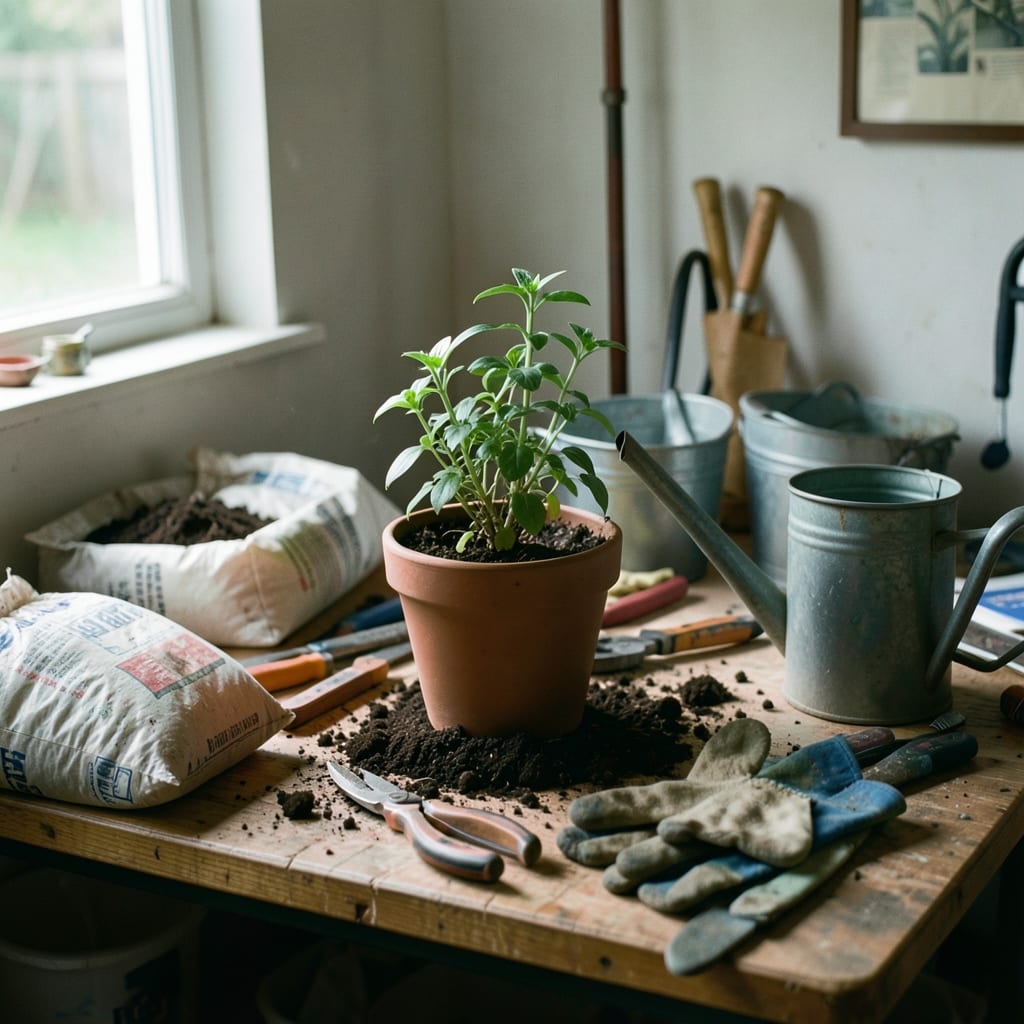
What this work is made with
This page is a list of things, not a story. Gardening isn’t just about words—it lives in the soil, the tools, and the hands that shape it. Here, we name what holds the work together.
Bloom Color Guide is a place for plants, seasons, and the quiet lessons in growth. Every guide, tip, and failure here is rooted in the same things: the objects that shape the work, the wear they carry, and the stories they tell without words.
The things that do the work
These are the objects that make the work possible. No writing, no instructions—just the shapes, the weight, and the way they change over time.
The trowel
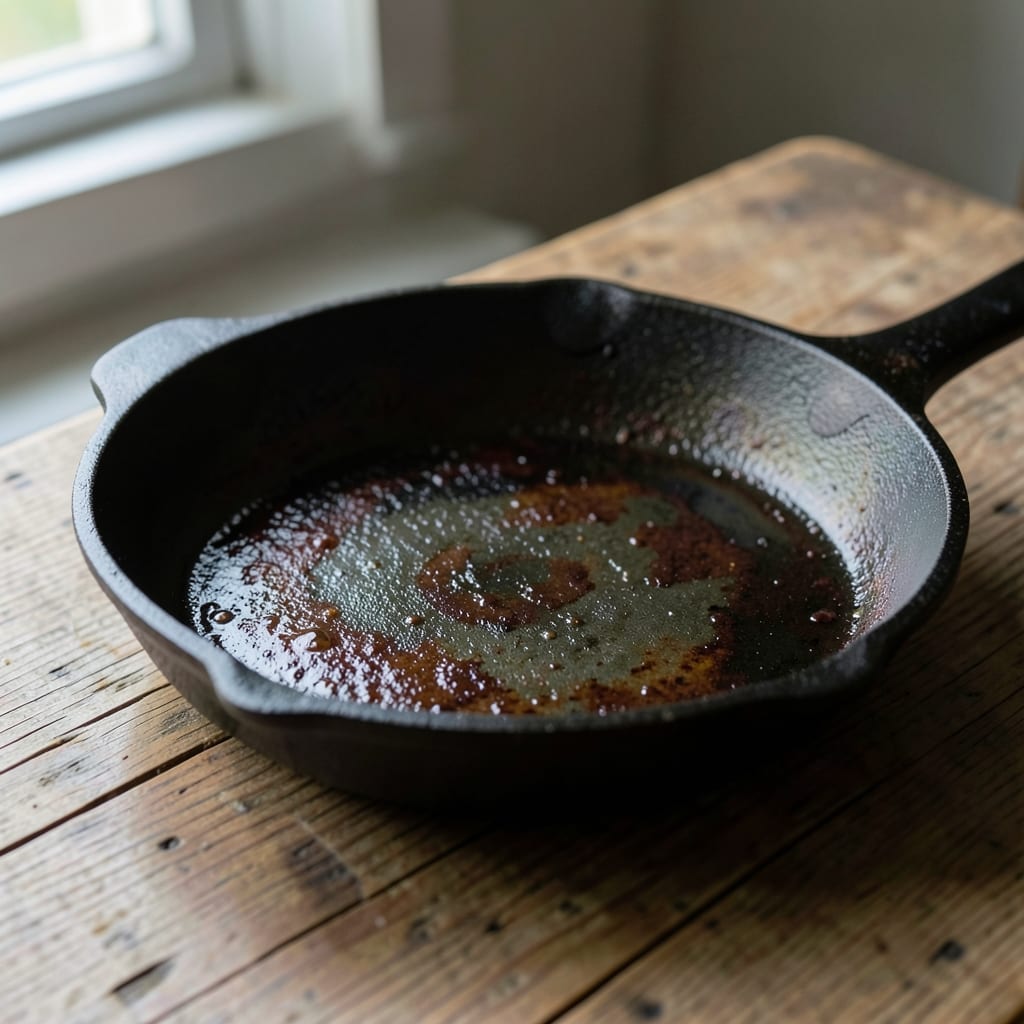
A bent, two-inch-wide steel blade with a wooden handle cracked down the middle. It’s been here since the first raised bed was turned in 2018, before the site even had a name.
It taught me that the right tool doesn’t have to be perfect—just reliable. The crack in the handle means I grip it tighter now, and the blade’s uneven edge forces me to dig slower, which keeps the roots intact. It’s ruined three gloves so far.
The seed-starting tray
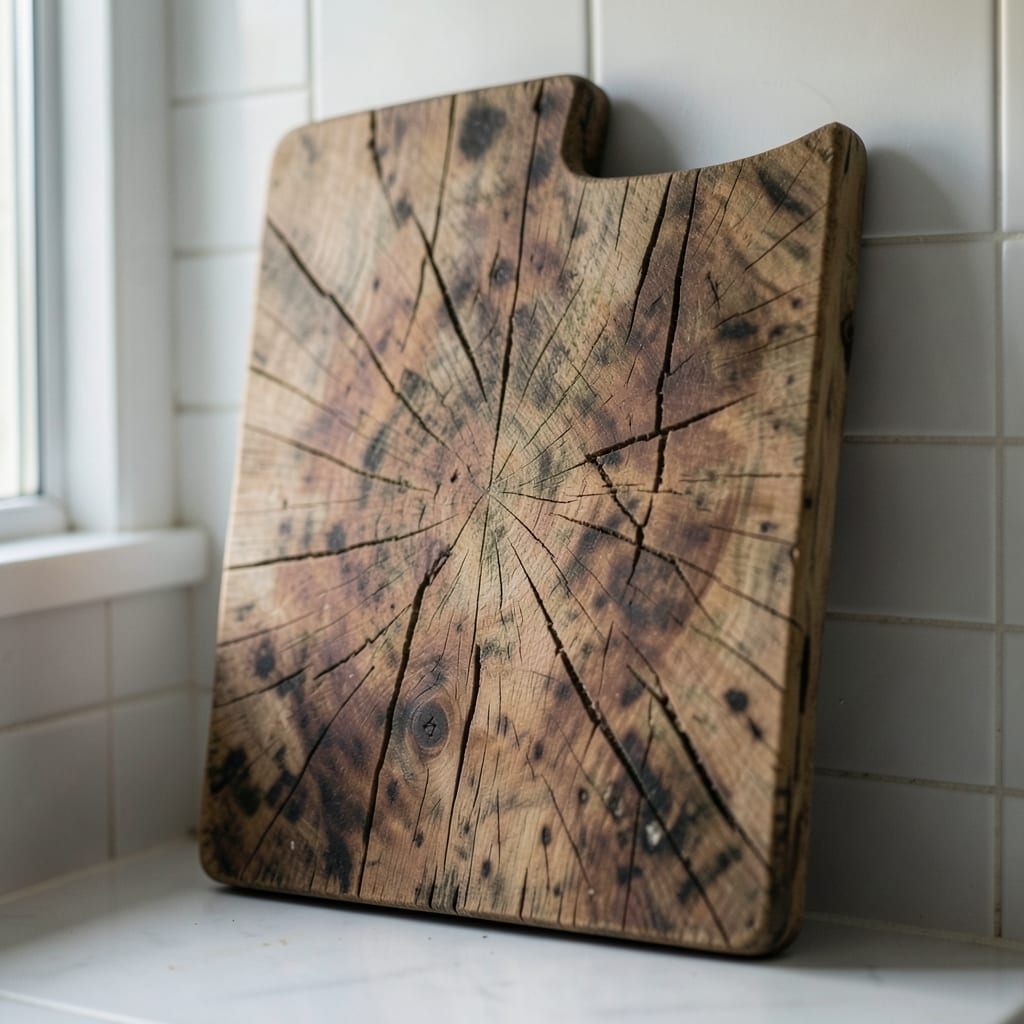
A dented plastic flat with 72 cells, bought in bulk for $12 at a hardware store in 2020. The corners are warped from too many years in a basement, and the lid snaps shut with a dry, brittle sound.
It proved that patience isn’t just a virtue—it’s a necessity. The first batch of basil seedlings I grew in it took 28 days to sprout, and half of them bolted before they were hardened off. Now, I keep it under a grow light and check the soil moisture every morning.
The pruning shears
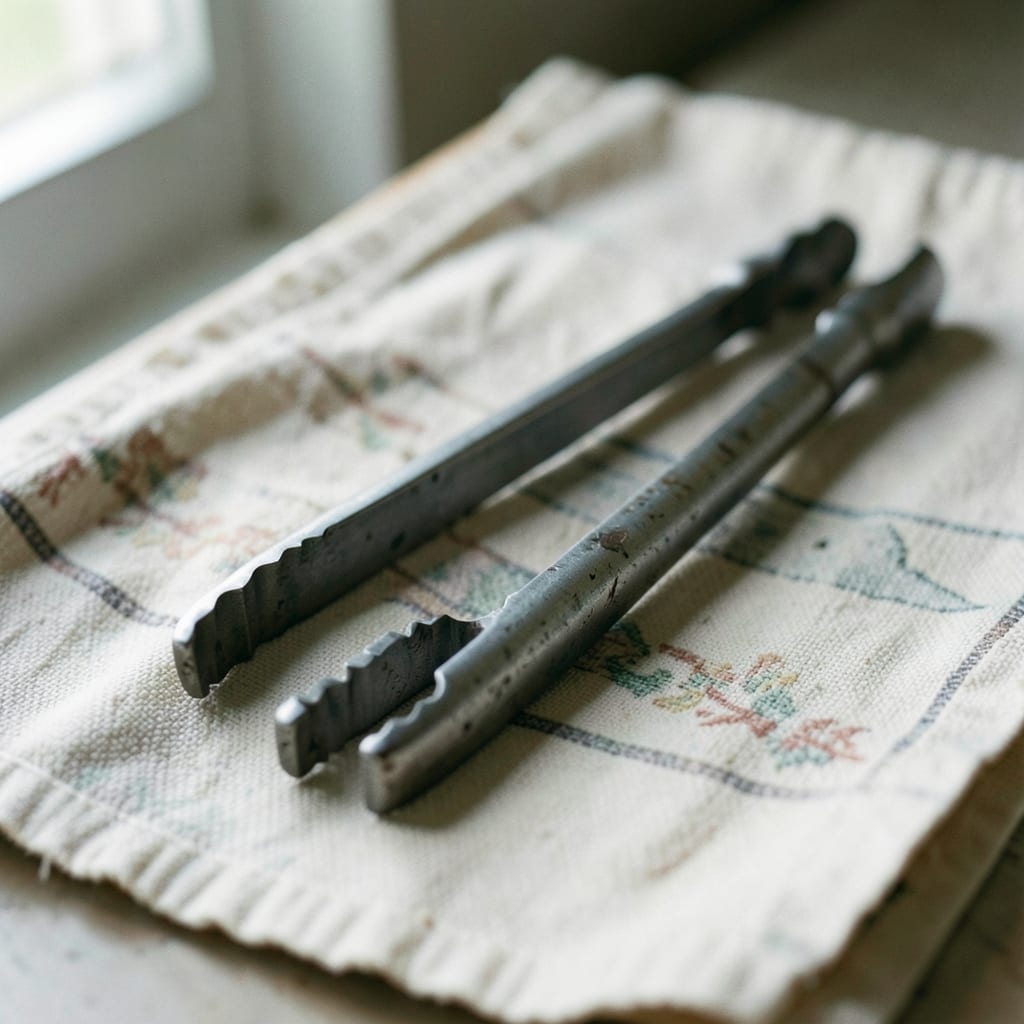
A pair of old-fashioned anvil-style shears with a rusted hinge and a handle wrapped in frayed twine. They’ve been passed down through three generations of gardeners in New Mexico, and I’ve had them since 2015.
They taught me that sharpness matters more than brand. The rust means I oil them every week, and the uneven cut forces me to angle the blade just right—so the plants heal cleaner. The twine is coming undone, but I won’t replace it.
The rain gauge
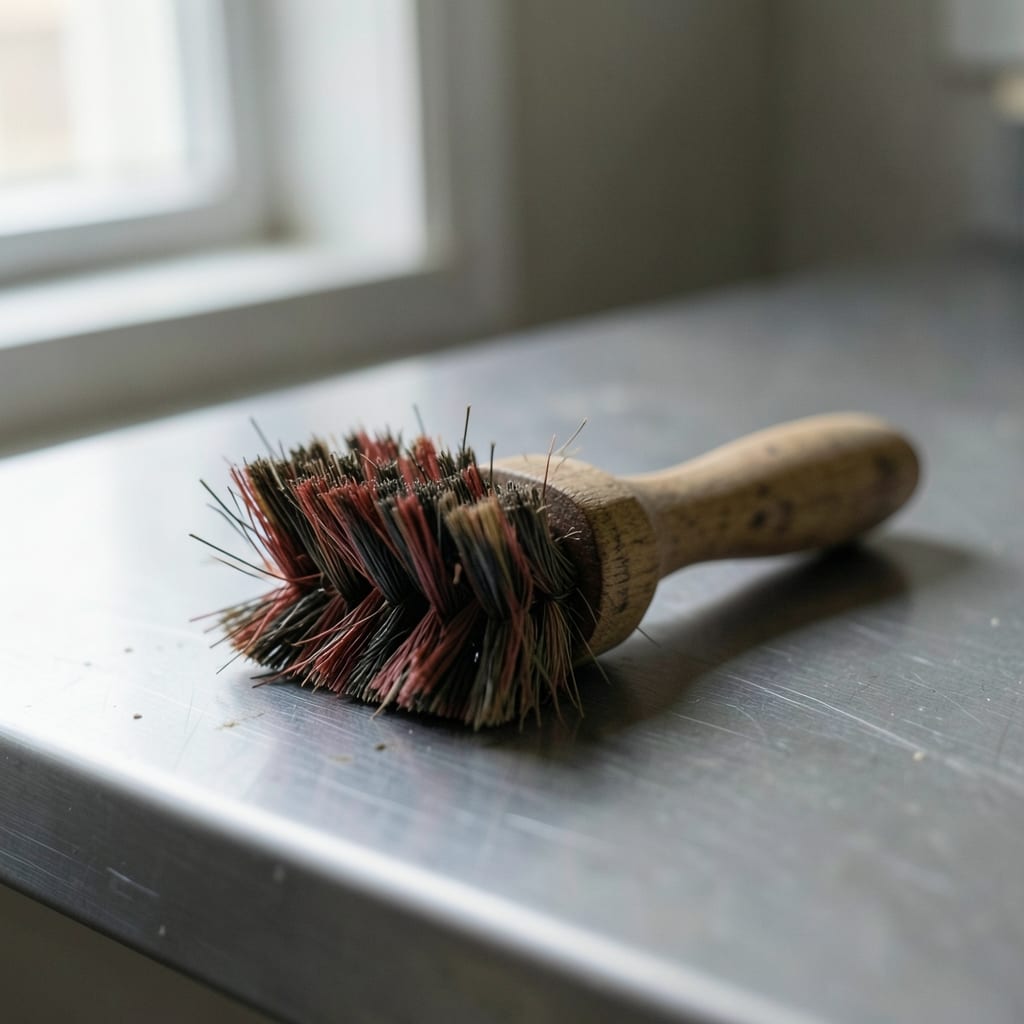
A cylindrical plastic tube with a funnel top and a scale marked in tenths of an inch. It’s been here since 2019, and the numbers are faded from sun exposure. The bottom is cracked, so I prop it up on a cinder block.
It showed me that water isn’t just something you pour—it’s something you measure. The first year I ignored it, my tomatoes split from overwatering. Now, I check it every morning, even if it hasn’t rained. The crack means I have to tilt it to read it, which slows me down.
What is not in the drawer
This work depends on things that are tangible, not theoretical. Some choices were made to keep the focus on what matters: the plants, the soil, and the hands that tend them.
Deliberately absent
- Digital soil meters—guesses are fine, but numbers don’t tell the whole story.
- Fancy hydroponic systems—roots need earth, not plastic.
- Brand-new tools—wear is part of the process.
- Perennial calendars—seasons vary, and so should the work.
Behind the scenes
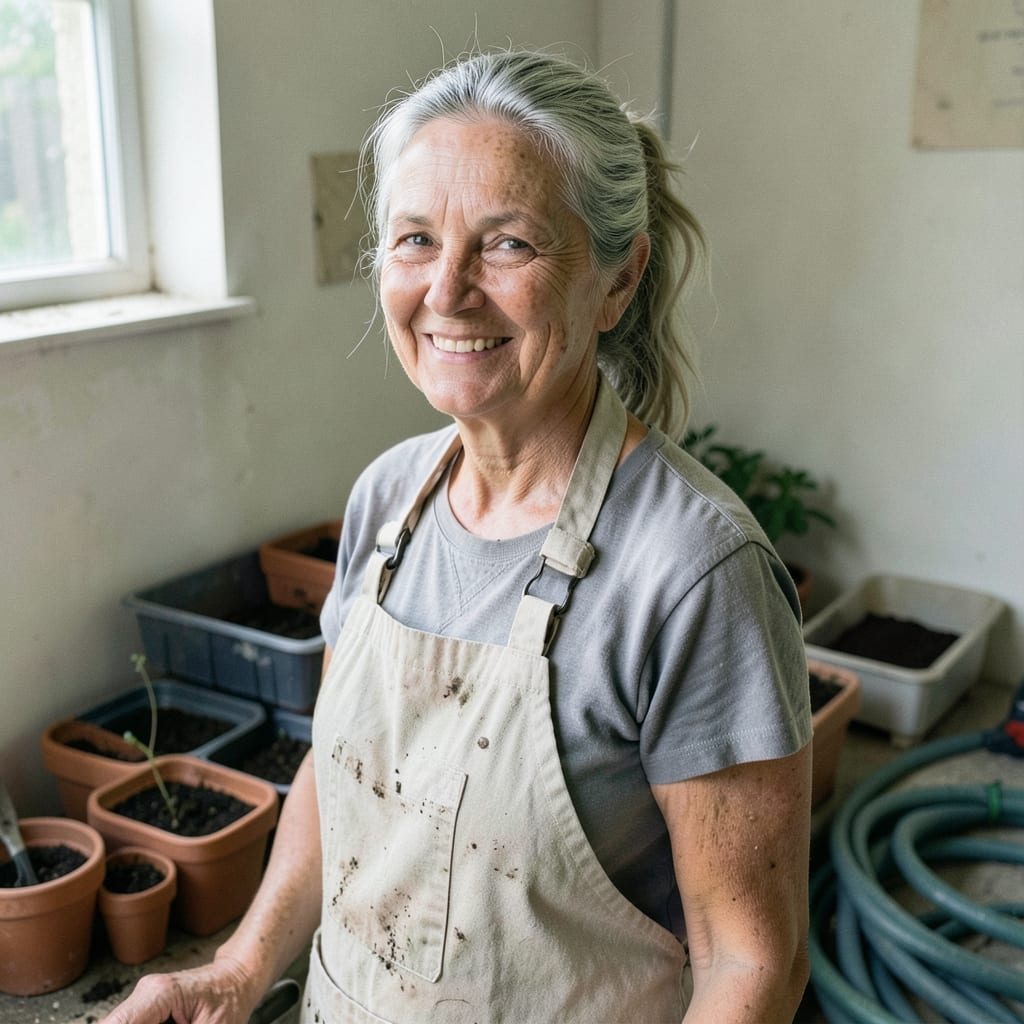
I am Trisha Radcliffe, the founder and editor. My job here is to turn observations into guides, failures into lessons, and dirt under the nails into something useful.
I came to this from my grandmother’s garden in New Mexico, where she’d press a seedling into the soil and say, ‘Now we wait.’ She handed me the trowel when I was ten, and by twelve, I was already forgetting to water things enough.
This work has given me a permanent ache in my left thumb from gripping shears too tight, and a habit of noticing how light hits the soil at different times of day. I can no longer walk past a garden center without checking the seed packet dates.
I am here to write the guides, answer the questions, and remind everyone that gardening isn’t about perfection—it’s about paying attention.
Why any of this matters to you
Every object here—the bent trowel, the cracked rain gauge, the shears that refuse to stay sharp—exists to ground the work in reality. There are no shortcuts, no perfect solutions, just the things that actually make plants grow.
When you read a guide here, you’re not just getting words. You’re getting the weight of the soil in a pot, the way a seedling stretches toward light, and the quiet certainty that some things take time. That’s what gardening is.
Every guide here is shaped by the same things: real tools, real mistakes, and real dirt. You won’t find ‘foolproof’ steps or polished photos—just what works, what doesn’t, and how to tell the difference.
The guides are grouped by category: Blooming, Fertilization, Flowers, How To, Light Requirements and Plants.