
Blooming
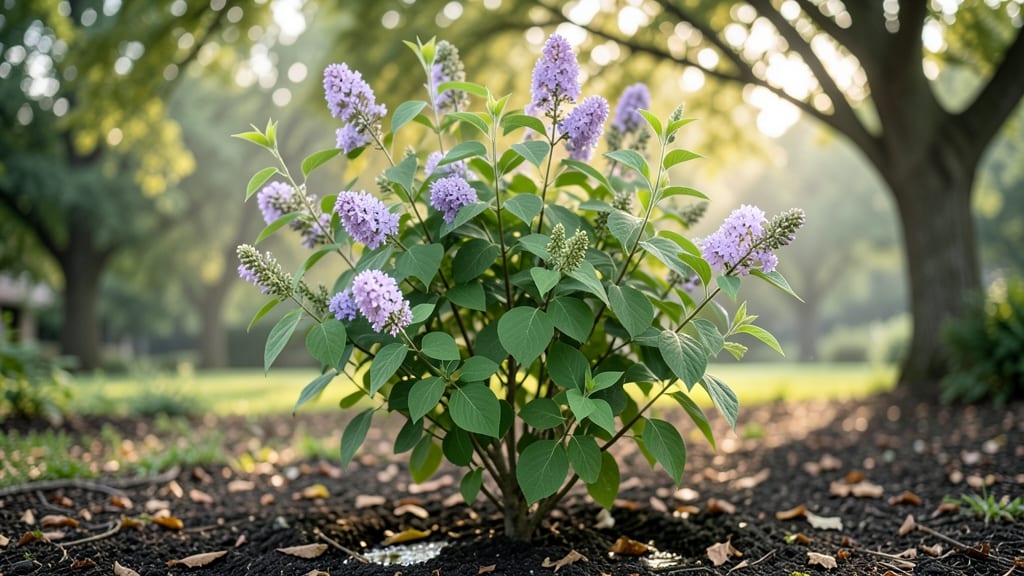
Lilacs bloom all summer only in mild climates, where most varieties flower primarily in spring (April–May) and some rebloom in late summer with proper pruning. Cool-season climates restrict blooms to spring only.
Lilacs are famously springtime flowers, but their blooming habits depend heavily on where you live.
In warmer regions like USDA zones 7–9, you might see second flushes of flowers in late summer—often July or August—if you prune them correctly after their main spring bloom. 🌸 The key is understanding your local climate: lilacs need a period of cold dormancy to set flower buds, so cooler areas typically only get one bloom cycle per year.
Even in mild climates, not all varieties rebloom—some, like 'Katherine Haviland,' are bred specifically for this trait.
What's fascinating is how these plants "remember" their cold requirements. After a hard frost, lilacs store energy for next year's blooms, but if temperatures stay too warm too long, they may skip flowering entirely.
That's why gardeners in hot climates often see lilacs struggle—too much heat without proper dormancy breaks can leave them barren. For those who want summer blooms, timing your pruning right after the main bloom (never in fall) is everything.
💡 In This Article
- Lilac Bloom Seasons by Climate Zone
- Pruning and Care to Encourage Reblooming Lilacs
Lilac bloom seasons by climate zone
Lilacs rely on a biological process called vernalization, where they need 400-600 hours of temperatures below 45°F during dormancy to set flower buds. This chilling requirement explains why most lilacs bloom only once in spring—typically between late April and early May—in cooler climates like USDA zones 3-5.
In these regions, the sudden temperature shifts from winter's freeze to spring's warmth trigger the blooming process. 🌸 The fragrance you associate with lilacs actually peaks during these early blooms, as cooler temperatures preserve the volatile oils in the petals.
Warmer climates (zones 6-9) offer a different story. Here, lilacs often experience two bloom cycles per year: the main spring display plus a secondary flush in late July or August.
The key difference is that these regions provide milder winters, allowing lilacs to complete their chilling requirements earlier and enter a second growth phase.
For example, 'Miss Kim' lilacs—common in zone 5—might rebloom in late summer if given proper care, while 'Dwarf Korean' varieties in zone 7 often produce smaller but more frequent blooms throughout the season.
The science behind this involves photoperiodism, where lilacs respond to day length changes. After their spring bloom, lilacs enter a period of vegetative growth. If temperatures stay consistently above 60°F with adequate moisture, they'll produce new flower buds for a second bloom.
This is why gardeners in Southern California or the Pacific Northwest often see lilacs flowering well into summer—these areas provide the ideal balance of warmth and seasonal rainfall.
However, this doesn't mean all lilacs will rebloom. Some old-fashioned varieties like 'Sybille' or 'Mont Blanc' are single-bloomers by nature, while modern hybrids such as 'Bloomerang' lilacs are specifically bred for their reblooming tendencies.
The choice of cultivar becomes crucial when planning for summer blooms. For instance, 'Edith Cavell' typically flowers in spring only, while 'Lilac Charm' can produce secondary blooms if pruned correctly. 🌿
Geographic location also affects bloom timing. Northern gardeners in zone 4 might see lilacs bloom as early as mid-May due to later frost dates, while those in zone 8 could have their spring blooms as early as March.
The elevation plays a role too—mountain gardens at 5,000 feet might experience delayed blooming by 2-3 weeks compared to valley gardens at sea level, where warmer microclimates can advance bloom times.
What's often overlooked is how soil temperature affects root activity. Lilacs need soil temps above 50°F to actively grow, which is why mulching with 3-4 inches of organic matter helps regulate root zone temperatures.
In hot climates, this can prevent the stress that might otherwise cause lilacs to skip their second bloom entirely. The interplay between air temperature, soil temperature, and chilling hours creates this complex bloom pattern that varies so dramatically across regions.