
Blooming
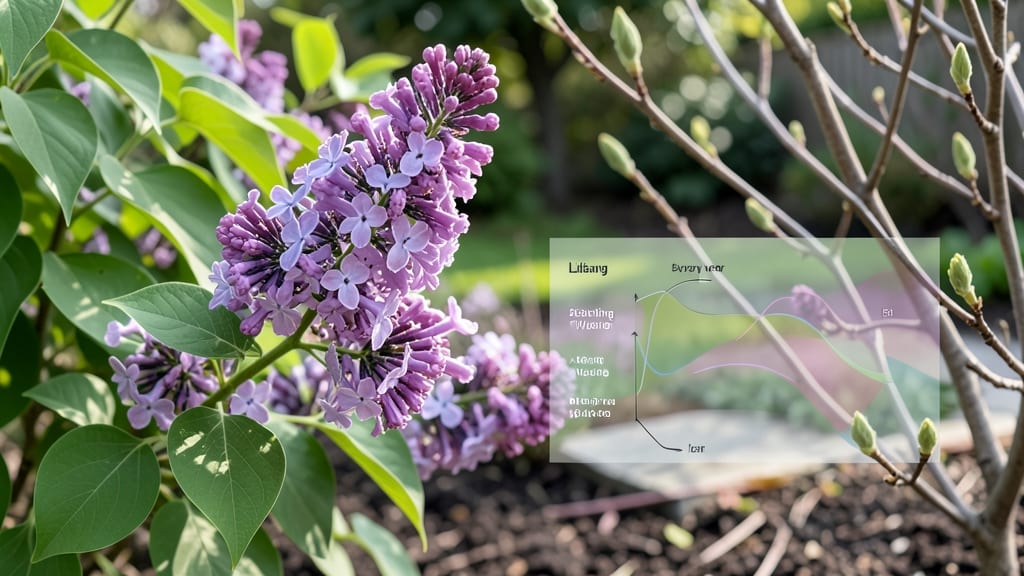
Lilacs bloom every year once mature, but their annual flowering depends on factors like maturity, sunlight exposure, and winter chilling hours. Young plants or those in warm climates may skip blooming until fully established or after proper dormancy.
Lilacs are famous for their fragrant blooms, but whether they'll flower annually depends on their growth stage and environmental conditions. 🌸 Young plants often take 2-3 years to establish strong roots before producing flowers, while mature lilacs typically bloom reliably each spring after getting enough cold winter temperatures (600-1,000 hours below 45°F).
Warm climates without proper winter chilling can trick lilacs into skipping their flowering cycle entirely.
Even established lilacs need consistent care to maintain annual blooms. Proper pruning after flowering, well-draining soil, and adequate sunlight (at least 6 hours daily) all play crucial roles.
I've seen lilacs in my garden produce stunning blooms for decades when given these essentials—it's all about creating the right conditions for their natural cycle.
💡 In This Article
- Factors Influencing Lilac Annual Blooming
- How to Encourage Reliable Lilac Blooms Year After Year
Factors influencing lilac annual blooming
The core mechanism behind lilacs' annual blooming is their dormancy requirement. These plants need 600-1,000 hours of temperatures below 45°F during winter to trigger bud formation. This chilling period mimics their natural habitat in temperate regions where cold winters signal spring's approach.
Without sufficient cold exposure, lilac buds remain dormant, and flowering may be delayed or skipped entirely. 🌡️ For example, a lilac in Florida might need supplemental chilling in a refrigerator for 6-8 weeks to bloom reliably.
Sunlight exposure directly impacts a lilac's energy production for flowering. These plants thrive with full sun (6-8 hours daily), though they can tolerate partial shade. In low-light conditions, the plant diverts energy to leaf production rather than flower buds, resulting in sparse blooms.
I've observed that lilacs in urban settings with afternoon shade often produce 30-50% fewer flowers compared to those in open, sunny locations. The chlorophyll in leaves captures sunlight to fuel photosynthesis, which is essential for bud development.
A lilac's age plays a critical role in its flowering consistency. Young plants typically require 2-3 years to establish a strong root system before producing their first blooms. During this time, they focus on building structural support rather than reproductive growth.
Mature lilacs (5+ years old) usually bloom annually if given proper care, while older specimens may produce larger, more abundant clusters due to established energy reserves. The first flush of flowers often appears in late spring (May-June), depending on your climate zone.
Soil health affects both root development and nutrient availability for flowering. Lilacs prefer well-draining, slightly alkaline soil (pH 6.5-7.5). Compacted or waterlogged soil can stress the plant, reducing its ability to produce flowers.
I've found that adding compost or organic matter improves drainage while providing essential nutrients like phosphorus, which promotes blooming. Over-fertilizing with nitrogen, however, can lead to lush foliage at the expense of flowers—a common mistake among gardeners eager for quick results.
Climate variations create significant differences in blooming patterns. In northern regions (USDA zones 3-5), lilacs typically bloom reliably each year due to adequate winter chilling. Meanwhile, in warmer zones (6-8), they may require artificial chilling or careful selection of cold-hardy varieties like 'Katherine Havemeyer' to ensure annual flowering.
The scent of lilacs—often described as sweet and intoxicating—peaks during peak bloom, making the effort to create ideal conditions well worth it for gardeners. 🌸
Even with perfect conditions, some lilacs may produce secondary blooms later in summer if pruned correctly. This happens because the plant retains some flower buds that didn't open during the primary blooming period.
The key is understanding that lilacs are deciduous shrubs with a biennial flowering cycle—meaning they set buds one year that bloom the next, making consistent care essential for reliable annual displays.