
Flowers
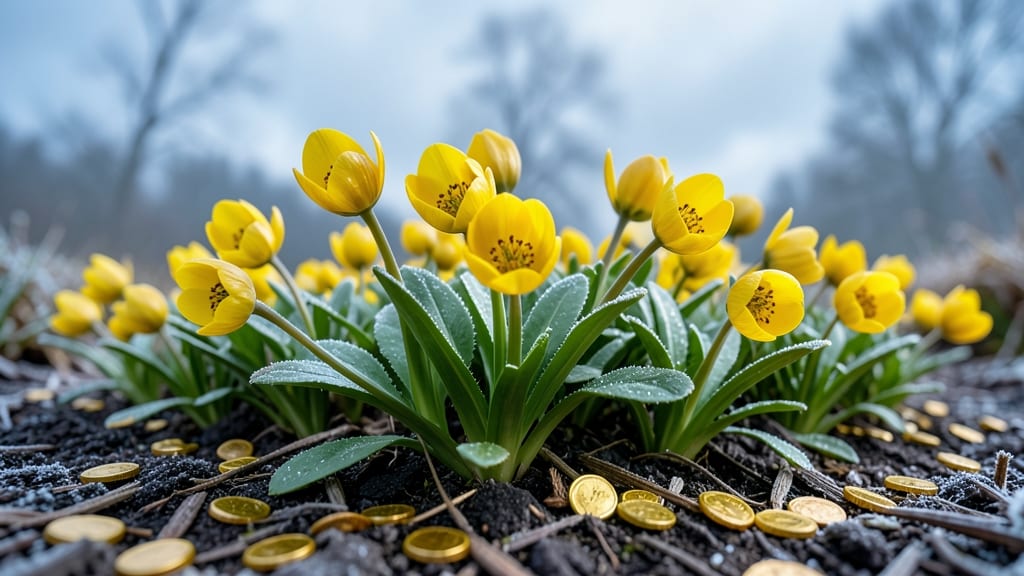
Cold-season gardens don’t have to be colorless. These 10 hardy flowers defy winter dormancy, offering vibrant blooms when most plants rest—perfect for extending your garden’s beauty and attracting pollinators during off-seasons.
Chrysanthemums for Late-Season Brilliance
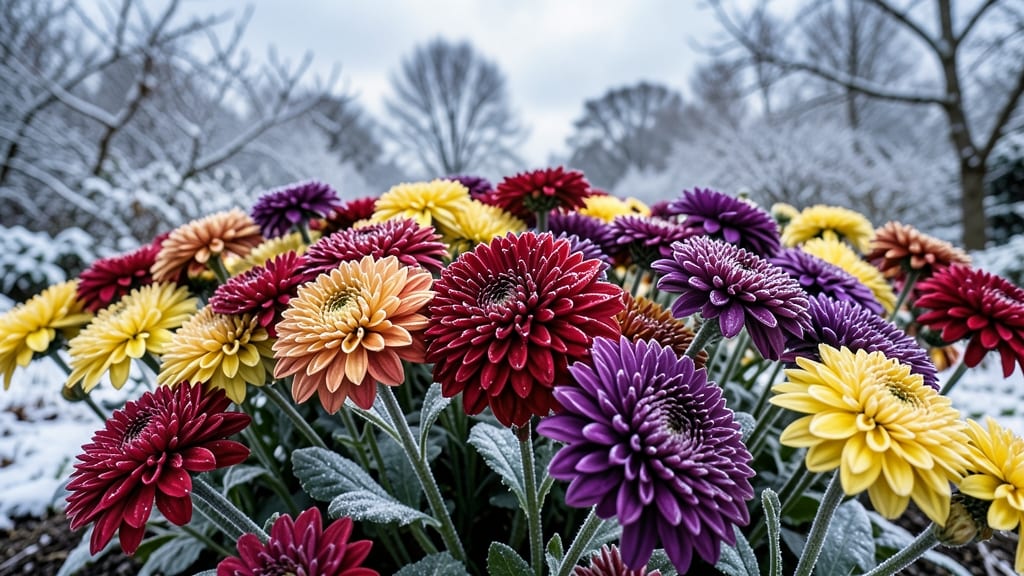
When most gardens fade into dormancy, chrysanthemums burst onto the scene with 50+ varieties in fiery reds, deep purples, and golden hues—proving frost isn’t the end of your garden’s story. These cold-hardy annuals thrive in temperatures as low as 20°F, making them ideal for extending color from October through December.
Choose from spider, pompon, or daisy-style blooms for cut flowers that last weeks in vases, or opt for compact varieties perfect for containers and window boxes. Plant in full sun for boldest colors, and deadhead spent blooms to encourage more flowers. Their versatility makes them a favorite for urban gardeners with limited space.
Whether you’re a beginner or a seasoned grower, chrysanthemums deliver year-round impact with minimal fuss—just add them to your fall planting plan for a showstopping finish. 🌻
Winter Jasmine’s Golden Cascades
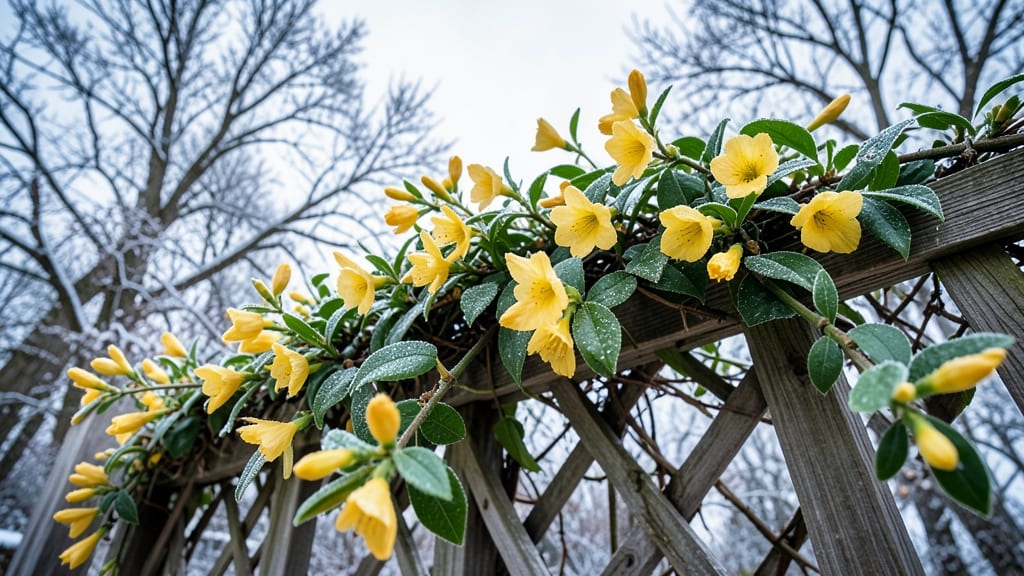
When most gardens lie dormant under winter’s chill, winter jasmine bursts into fragrant golden-yellow blooms from December through March—like sunshine on a snowy day. This evergreen climber thrives in USDA Zones 6-9, making it a standout for cold climates where other plants struggle.
Plant it against a trellis, fence, or arbour for cascading beauty, as its semi-evergreen foliage provides year-round interest. Prune lightly after flowering to encourage bushier growth, and enjoy its sweet, lemony scent that wafts through crisp winter air. Unlike many winter bloomers, it handles light frost and even a dusting of snow without damage.
Perfect for gardeners in colder regions, winter jasmine adds low-maintenance elegance while brightening dark winter corners. 🌟
Hellebores for Shady Winter Blooms
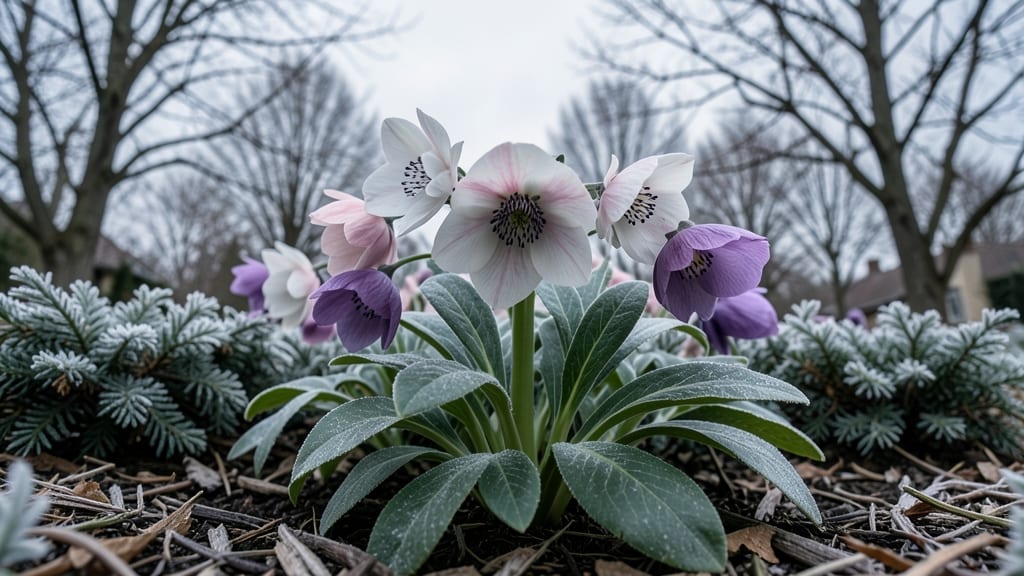
When your garden feels dormant under winter’s gray skies, helleborus niger (or Lenten roses) steps in with a quiet but stunning performance. These shade-loving perennials bloom from January to March, defying winter’s chill with nodding flowers in white, pink, or deep purple—often before spring’s first leaves appear.
Perfect for woodland gardens or understory plantings, hellebores thrive in partial to full shade and moist, well-draining soil. Their leathery, evergreen foliage provides year-round interest, while their blooms attract early pollinators like bees. For best results, plant in USDA Zones 4-9 and mulch heavily in winter to protect roots from freeze-thaw cycles.
Shade gardeners and woodland enthusiasts will love how hellebores fill gaps where other plants rest—adding elegance without demanding sun or maintenance. 🌿
Pansies That Brave the Frost
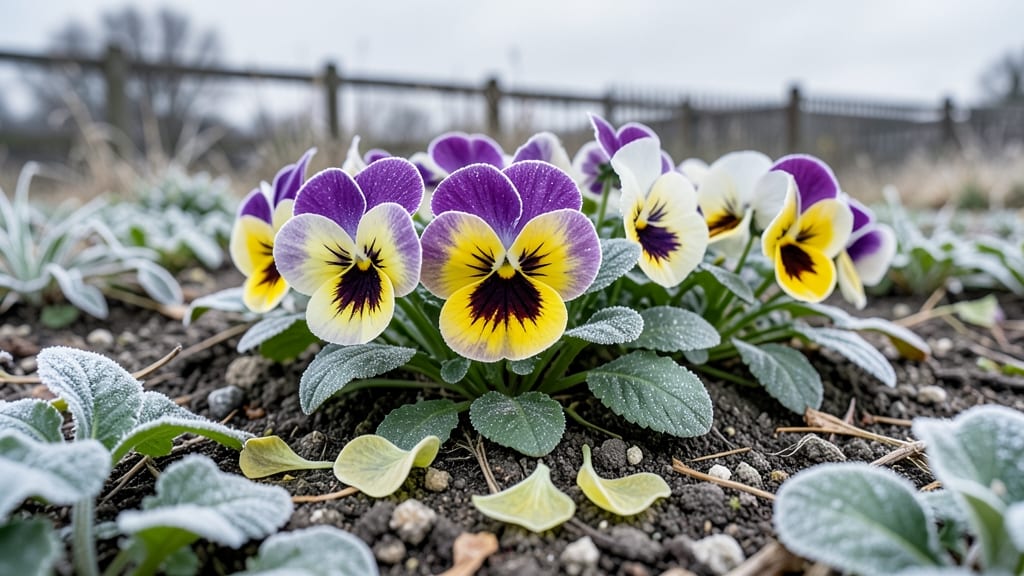
Looking for a cold-hardy flower that doubles as a culinary treat? Pansies deliver cheerful blooms and edible petals that taste like a mild, slightly sweet spinach—perfect for garnishing salads or sipping in teas. Their ability to thrive in temperatures as low as 15°F makes them the unsung hero of winter gardens.
Plant them in well-draining soil with 4-6 hours of sun (they tolerate partial shade) and space them 8-12 inches apart for a dense, pollinator-friendly display. Varieties like ‘Matrix’ or ‘Cool Wave’ offer frost-resistant foliage and blooms that last from October through spring. For edible gardens, harvest petals in the morning after dew dries to preserve their delicate flavors.
Urban gardeners and small-space growers will love pansies—they thrive in containers, making them ideal for balconies or patios. Plus, their bright colors attract bees and butterflies when other flowers are dormant. 🌻
Snowdrops for Early Winter Elegance
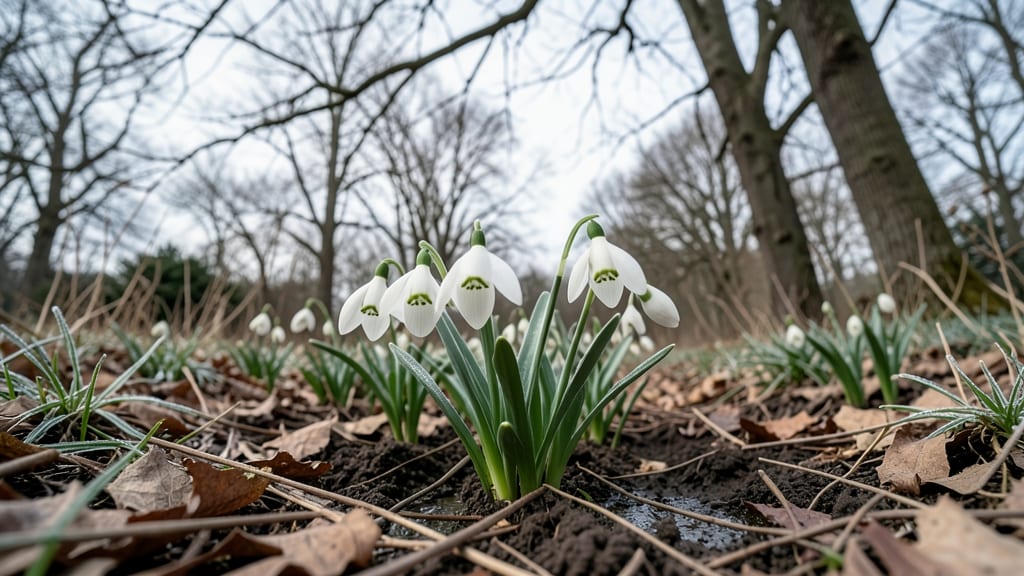
When winter’s chill arrives and most gardens fade to dormancy, snowdrops (Galanthus) emerge as delicate messengers of hope, often blooming as early as December. These iconic flowers thrive in partial shade, making them perfect for naturalizing under trees where other plants struggle to survive.
Snowdrops prefer moist, well-draining soil and can multiply quickly, creating lush colonies over time. Their white, bell-shaped blooms with green markings stand out against winter’s muted palette, and they’re deer-resistant—a bonus for rural gardeners. Plant bulbs in fall (September-October) for next winter’s display.
Ideal for woodland gardens, shaded borders, or even containers, snowdrops bring early-season beauty with minimal care. They’re a must-have for gardeners who want to defy winter’s gloom with timeless elegance. 🌱
Cyclamen for Woodland Winter Beauty
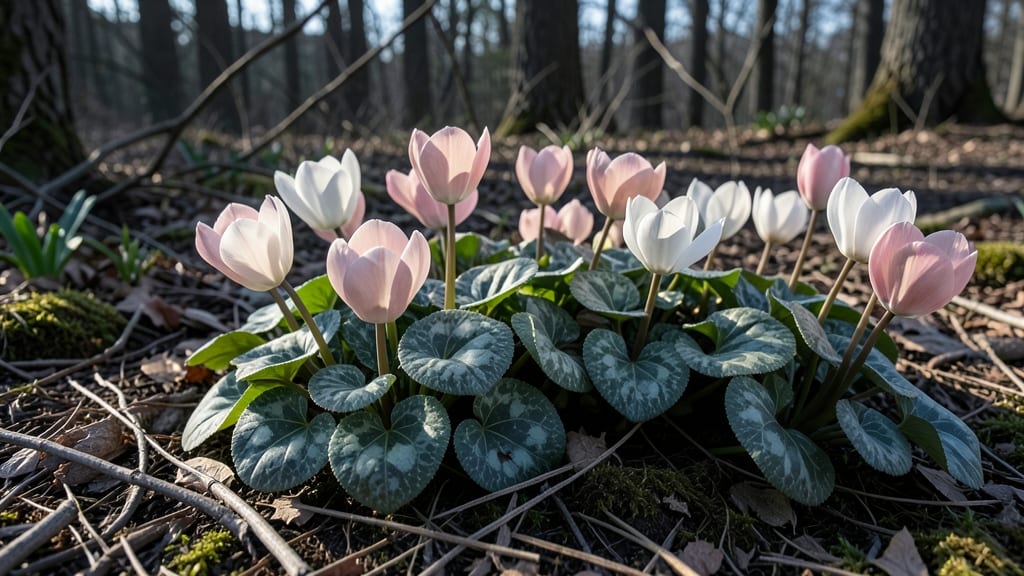
When you crave winter color but dread the upkeep of high-maintenance perennials, cyclamen delivers a stunning solution. These woodland darlings produce heart-shaped blooms in soft pink or pristine white from November through February, thriving where other plants struggle—like shady borders or understory plantings in Zones 5-9.
Plant them in well-draining, humus-rich soil with partial to full shade, and watch them multiply over time. The secret to their success? Avoid overhead watering—their silvery leaves rot easily when wet. Pair them with ferns or hellebores for a lush woodland effect that stays vibrant even in winter’s chill.
Perfect for gardeners who love low-maintenance charm, cyclamen reward patience with years of effortless beauty. They’re also deer-resistant, making them ideal for rural properties. 🌷
Daffodils That Defy Winter Chill
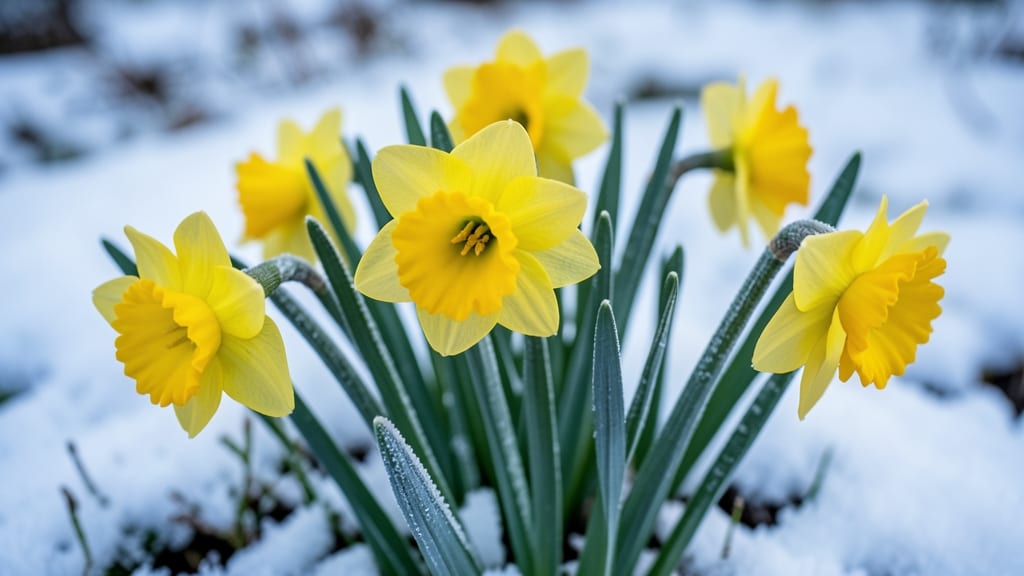
While other flowers wait for spring, daffodils like the compact ‘Tête-à-Tête’ burst into cheerful yellow as early as February, often before snow melts. Their resilience in cold climates (USDA Zones 3-10) makes them perfect for gardeners eager to beat winter blues—whether you’re forcing bulbs indoors for Valentine’s Day or naturalizing them into lawns for early pollinator support.
These low-maintenance perennials thrive in full sun to partial shade and well-draining soil, making them ideal for first-time gardeners or busy urban spaces. Plant bulbs in fall (6-8 weeks before frost) for reliable blooms, and consider ‘Ice Follies’ for pure white contrast or ‘Minnow’ for striking orange accents. Their toxic-free nature also makes them pet-friendly once blooms fade.
For gardeners craving year-round interest, daffodils’ sword-like foliage adds texture even after flowering. Whether you’re brightening a balcony container or transforming a shady corner, these bulbs deliver instant spring cheer with minimal effort. 🌻
Sweet Alyssum for Pollinator-Friendly Frost
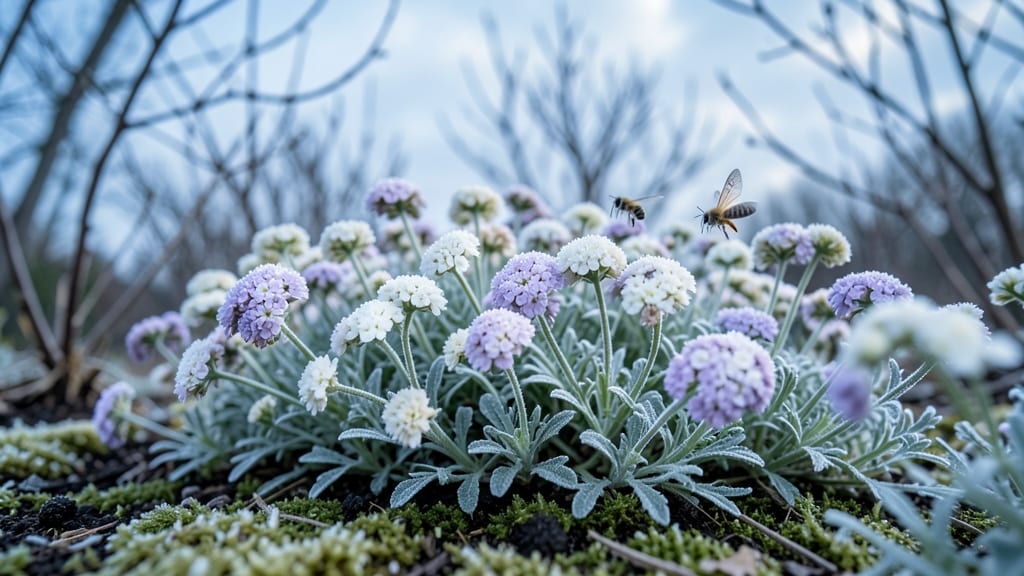
When you crave a burst of color and fragrance during the chilly months, sweet alyssum delivers a fragrant, pollinator-friendly solution that thrives in frost. These tiny white or purple blooms release a subtle honey scent that draws bees and butterflies—even when temperatures dip. Unlike many winter flowers, sweet alyssum blooms from October through spring, making it a reliable choice for extending your garden’s season.
Plant it in full sun to partial shade and well-draining soil, where it self-seeds easily for continuous blooms. Sweet alyssum’s low-growing habit makes it ideal for edging garden beds, spilling over container edges, or cascading in hanging baskets. For extra resilience, deadhead spent blooms to encourage more flowers and protect plants from heavy frost with a light layer of mulch or row covers.
This hardy annual is perfect for urban gardeners, balcony planters, and pollinator enthusiasts—it’s low-maintenance yet high-impact, turning winter gardens into buzzing, fragrant havens. 🌱
Crocuses for Early Winter Color
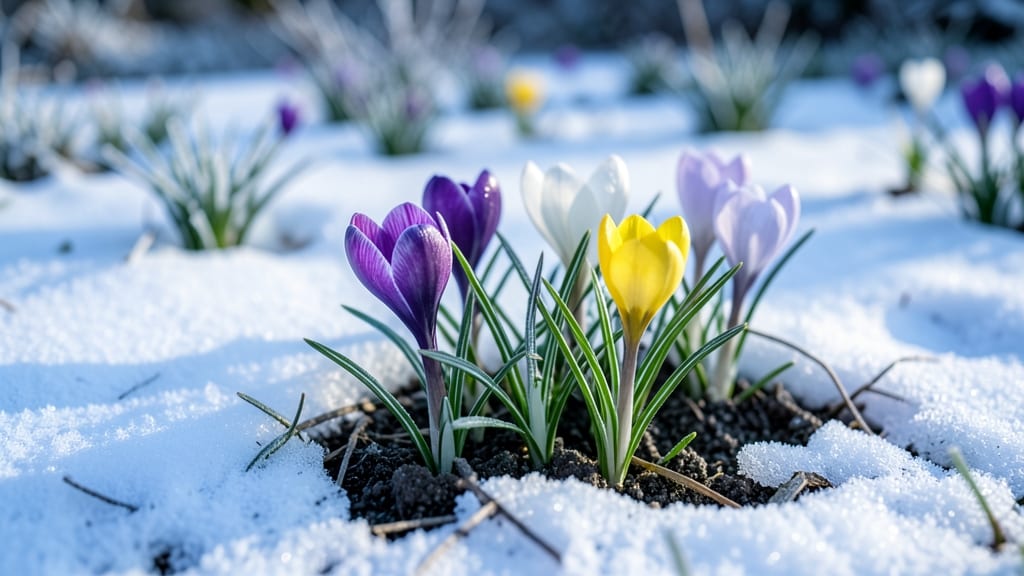
When winter’s first snowfall blankets your garden, crocuses are the unsung heroes breaking through with vibrant purple, white, or yellow blooms—often before the ground fully thaws. These hardy perennials thrive in USDA Zones 3-8, making them perfect for early-season color in lawns, meadows, or containers where few other plants dare to bloom.
Plant crocus corms in fall (4-6 weeks before frost) in well-draining soil with full sun to partial shade. Their low-growing habit (3-6 inches tall) lets them peek through grass or mulch, while their drought-tolerant nature means minimal care once established. For best results, group them in clusters of 15-20 for a dramatic "carpet" effect—ideal for naturalizing under trees or along pathways.
Urban gardeners and small-space growers will love crocuses—they’re low-maintenance, deer-resistant, and multiply over time. Plus, their early blooms provide critical nectar for bees emerging from winter dormancy. 🌱
Winter Aconite for Sunny Spots

When other winter gardeners are still dreaming of spring, winter aconite (Eranthis hyemalis) is already putting on a cheerful show with its bright yellow blooms. This early riser emerges in January and March, turning dull winter beds into sunlit canvases of golden cheer—no waiting for spring!
Unlike many winter bloomers, this sun-loving perennial thrives in full sun and well-draining soil, making it ideal for rock gardens, alpine plantings, or sunny borders. Its delicate, cup-shaped flowers appear before the leaves, creating a striking contrast. Plant bulbs in fall (6-8 weeks before frost) at 2-3 inches deep, and they’ll reward you with year-round interest—even the foliage stays attractive until summer.
Perfect for gardeners in Zones 4-8 who want to brighten sunny spots without fuss, winter aconite is also deer-resistant and low-maintenance. Add it to containers or borders for a pop of color when most gardens are still asleep. 🌻