
Blooming
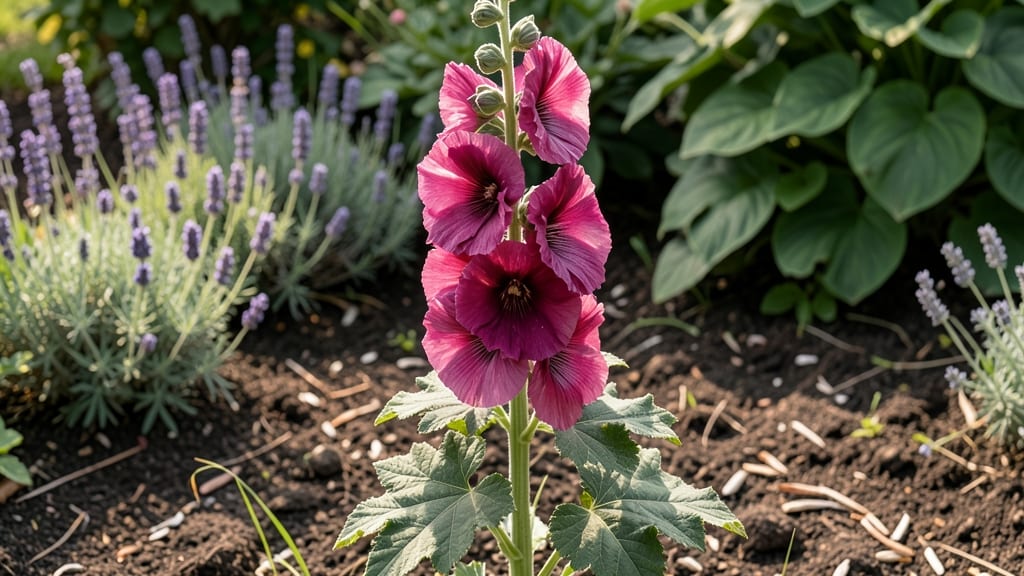
Double bloom hollyhocks are the showstoppers of cottage gardens—each cut stem rebounds with two waves of lush, layered blooms instead of one. 🌸 I learned the hard way that these dramatic plants need a little extra care to thrive, but the payoff is worth it: stems that keep producing for months, not weeks.
The secret lies in how you prep the soil, space the plants, and handle those towering stalks after the first flush of flowers fades.
Start with well-draining soil mixed with compost—hollyhocks hate soggy roots—and plant in full sun where they can stretch toward the sky. Give them 18-24 inches of space between plants so air circulates (this prevents the dreaded rust fungus).
Water deeply once a week, but let the soil dry slightly between soakings—too much moisture turns their roots mushy. The first year, focus on strong stems; by year two, you’ll get those bold double blooms that make neighbors stop and stare.
Here’s where it gets magical: after the first flowers fade, snip the spent blooms back to the next set of leaves—not all the way to the ground. This triggers a second flush of flowers, sometimes even a third if you’re lucky.
My tallest stems hit 6 feet last summer, and I still had fresh cuttings for bouquets in September. The key is patience; these plants grow fast but need time to establish before they’ll perform like this.
Watch for Japanese beetles and hollyhock rust—both can ruin a season if you’re not prepared. A light spray of neem oil early in the season keeps beetles at bay, and removing infected leaves immediately stops rust from spreading.
With the right care, your hollyhocks will become the backbone of your perennial borders, year after year. Ready to grow stems that keep giving?
📚 In This Guide
- What you need
- Instructions
- Tips and common mistakes
- Wrapping up and next steps
What you need
- ● Double Bloom Hollyhock Seeds: 1 packet (or 10-20 seeds per plant, spaced 12-18 inches apart). Look for varieties like 'Black Prince' or 'Peach Blush' for extra drama!
- ● Well-Draining Soil: 1-2 cubic yards of garden soil amended with compost (aim for a pH of 6.0-7.0). Hollyhocks love rich, fertile ground!
- ● Fertilizer: Balanced 10-10-10 fertilizer (1 lb per 100 sq ft) for planting.
- ○ Slow-release rose or bloom booster (optional, for extra vigor).
- ● Watering Can or Hose: With a gentle spray nozzle (hollyhocks hate soggy roots!).
- ● Garden Trowel or Shovel (for planting seeds/deep-rooted varieties).
- ● Pruning Shears (sharp, sterilized—think bypass pruners for clean cuts!).
- ○ Stakes or Trellis (optional, for tall varieties like 'Chater’s Double' to prevent flopping).
- ● Garden Gloves (to protect your hands from prickly stems!).
- ● Mulch (Straw or Wood Chips) (2-3 inches thick to retain moisture and suppress weeds).
- ● Sunlight: A full-sun spot (6+ hours of direct sunlight daily). Hollyhocks are sun-worshippers!
- ● Spacious Garden Bed: Minimum 12-inch-deep soil (their taproots run deep!).
- ● Patience: Hollyhocks take 90-120 days to bloom from seed—but oh, are they worth the wait!
- ● Deadheading Tools: Ready to snip spent blooms? This is key for encouraging double blooms!
How to grow double bloom hollyhocks that keep flowering all season
Hollyhocks are the garden's hidden superstars—once you master their care, they'll reward you with bold, repeat blooms all summer long.
🌱 Step 1: Choose the Right Location and Soil
Hollyhocks thrive in full sun—at least 6 hours daily—but tolerate partial shade in hot climates. I always pick a spot with afternoon shade to prevent scorching in my zone 7 garden. The soil should drain well but retain moisture; amending heavy clay with 2-3 inches of compost works wonders.
Test your soil's pH—hollyhocks prefer 6.5-7.0. If yours runs acidic, add crushed limestone to raise the pH gradually. I like to work in a handful of bone meal at planting time for extra phosphorus, which encourages strong root and flower development. The secret to double blooms starts here: healthy roots mean more energy for repeat flowering.
☀️ Step 2: Plant at the Correct Depth and Spacing
Set bare-root plants so the crown sits just below soil level—burying it too deep causes rot, while leaving it exposed leads to weak stems. Dig holes 18-24 inches apart for single stems or 24-36 inches apart for bushy varieties. The wider spacing prevents fungal diseases by improving airflow.
Water deeply after planting to settle the soil, then mulch with 2-3 inches of straw or shredded leaves to retain moisture. I always water at the base rather than overhead—this prevents mildew on the leaves, which is hollyhocks' biggest enemy. After a week, you'll see new growth emerge; that's your signal the plant has rooted successfully.
💧 Step 3: Water and Fertilize for Continuous Blooms
Hollyhocks need consistent moisture but hate soggy roots. Water when the top 2 inches of soil feel dry, aiming for 1-1.5 inches per week. I use a soaker hose to deliver water at the base, which keeps foliage dry and reduces disease risk. Fertilize lightly every 4-6 weeks with a balanced 10-10-10 formula—too much nitrogen makes them grow leaves instead of flowers.
Here's the trick for double blooms: deadhead spent flowers immediately after they fade. Snip the stem just above the next set of leaves (usually 4-6 inches below the flower head). This redirects the plant's energy into producing new buds instead of setting seed. You'll notice side shoots forming within 2-3 weeks—that's your plant rebounding beautifully.
✂️ Step 4: Prune for Health and Second Flushes
In early summer, give your hollyhocks a light pruning to encourage a second flush of blooms. Cut back any leggy or overcrowded stems by one-third, making cuts just above a leaf node. This opens up the plant and improves airflow, which is critical for preventing mildew.
I always prune on a dry morning when the plants are fully hydrated. Use clean, sharp shears to avoid tearing the stems. After pruning, give the plants a light feeding with a low-nitrogen fertilizer (like 5-10-10) to support new growth. You'll see fresh shoots emerging within 10-14 days, and with proper care, these will bloom again in 6-8 weeks.
🌿 Step 5: Overwinter for Next Year's Blooms
Hollyhocks are perennial in zones 3-9, but they need protection in colder climates. After the first frost blackens the foliage, cut back the stems to 6-12 inches above ground level. Mulch heavily with 4-6 inches of straw or leaves to insulate the roots through winter.
In early spring, remove the mulch and prune again to 12-18 inches tall, leaving a few strong stems. You'll see new growth emerging from the base in 3-4 weeks. This spring pruning ensures the plant puts energy into producing fresh stems and flowers rather than repairing old growth. With this care, your hollyhocks will bloom reliably for 5-7 years or more.
Tips & tricks for perfect double bloom hollyhocks
Here's what nobody tells you about keeping these old-fashioned beauties blooming like crazy all season.
Sunlight Strategy: Those 6 hours of daily sun are non-negotiable for double blooms, but I've found that morning sun with afternoon shade creates the perfect balance. In hotter climates, even 4 hours of direct sun can work if you provide afternoon shade—just watch for signs of stress like wilting or yellowing leaves. The goal is to keep foliage healthy enough to support continuous flowering.
Deadheading Timing: The 4-6 inch cut below the flower head is crucial, but here's the trick: do it when the petals are just starting to brown but haven't fully dried out. This timing ensures you're cutting at the right node while still redirecting energy to new buds. I always carry a small pair of pruners in my gardening apron so I can deadhead immediately after noticing faded blooms.
Fertilizer Frequency: That 4-6 week feeding schedule works, but I've learned that timing matters just as much as quantity. Apply fertilizer right after pruning in early summer and again after the second bloom flush appears. This aligns with the plant's natural growth cycles, giving it a boost exactly when it needs it most for new flower production.
Winter Protection: Don't skimp on that 4-6 inches of mulch—it's the difference between a plant that struggles to rebound and one that comes back strong. I've seen hollyhocks survive winters with as little as 2 inches of mulch, but they never bloom as prolifically the following season. The extra insulation helps maintain consistent soil temperatures, which is crucial for root health during dormancy.
Pro Tips for Double Bloom Hollyhocks
- Here's what nobody tells you about keeping these old-fashioned beauties blooming like crazy all season.
- Sunlight Strategy: Those 6 hours of daily sun are non-negotiable for double blooms, but I've found that morning sun w...
- Deadheading Timing: The 4-6 inch cut below the flower head is crucial, but here's the trick: do it when the petals ar...
Frequently asked questions
What makes double bloom hollyhocks different from regular hollyhocks?
Double bloom varieties produce two flushes of flowers per season instead of one! The first bloom occurs in early summer, and after deadheading (removing spent blooms), they often rebloom in late summer or early fall. This makes them a garden favorite for continuous color.
How long does it take for double bloom hollyhocks to flower after planting?
Expect the first blooms 60–90 days after planting from seed, or 4–6 weeks if you’re transplanting established seedlings. Patience pays off—healthy plants reward you with bold, layered petals! For faster results, opt for nursery-grown starts.
How should I deadhead double bloom hollyhocks to encourage reblooming?
Snip off only the spent flower heads (leave the foliage intact) using clean pruners. Avoid cutting into the stem’s woody base—this can stunt future blooms. For extra reblooms, trim back leggy stems by ⅓ after the first flush. Pro tip: Deadhead in the morning for best results!
Can double bloom hollyhocks survive winter in cold climates?
Yes! These hardy perennials (zones 3–9) tolerate frost, but mulch the base with straw or leaves in late fall to protect roots. In severe winters, a light blanket of mulch can prevent heaving. Cut back dead foliage in early spring—new growth will emerge quickly!
What should I do if my double bloom hollyhocks aren’t reblooming?
Check these fixes:
- Lack of sunlight: Ensure they get 6+ hours of sun daily.
- Overcrowding: Thin plants to 12–18 inches apart for better airflow.
- Poor soil: Amend with compost and a balanced fertilizer (10-10-10) at planting.
- Pests/disease: Inspect for hollyhock rust (yellow spots) or aphids—treat with neem oil if needed.
Are there dwarf or compact varieties of double bloom hollyhocks?
Look for cultivars like ‘Blacknight’ (2–3 ft tall) or ‘Peach Blossom’ (3–4 ft). These work well in containers or small gardens. Just ensure they still get full sun—even compact varieties need space to thrive!
Wrapping up and next steps
Double bloom hollyhocks are a gardener’s dream—vibrant, resilient, and endlessly rewarding! Their ability to rebloom after each cut makes them a standout choice for borders, bouquets, and pollinator-friendly gardens.
Whether you’re a seasoned grower or just starting, these beauties prove that patience and care pay off in stunning, long-lasting color.
Ready to harness their magic? Start by planting a few this season—your garden (and pollinators!) will thank you. Happy growing! 🌸✨