
Blooming
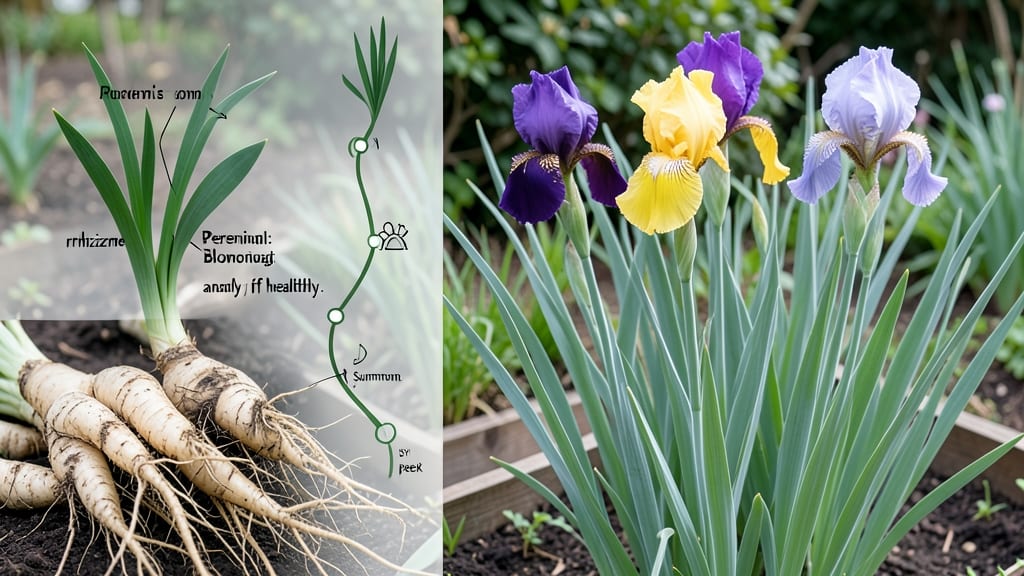
Irises don't bloom every year because their growth cycles depend on storing energy during dormancy periods. While many varieties flower annually, others may skip years due to environmental stress, poor care, or inadequate sunlight. With the right planting techniques and ongoing maintenance, you can encourage more consistent blooming.
This behavior isn't a sign of failure—it's actually how irises naturally conserve energy. 🌱 Their thick rhizomes act like underground batteries, storing nutrients during dormancy (usually late summer to early fall) to fuel next year's blooms.
When you provide well-draining soil, full sun exposure, and proper watering (never soggy roots), you help maintain that energy balance. I've found that dividing mature clumps every 3-4 years actually boosts bloom production by reducing competition for resources.
What many gardeners overlook is the connection between bloom timing and temperature. Most irises need chilling periods (below 60°F) to trigger flowering, which explains why some varieties in warmer climates may skip years.
The good news? With consistent care, even "problem" irises often return to their regular blooming schedule within 1-2 seasons.
💡 In This Article
- Why Irises Skip Blooming: Dormancy and Environmental Factors
- How to Encourage Annual Iris Blooms: Planting and Care Tips
Why irises skip blooming: dormancy and environmental factors
Irises rely on a biological process called dormancy to regulate their energy use, much like how deciduous trees shed leaves in winter. During dormancy (typically late summer to early fall), the rhizomes—thick, horizontal root structures—store carbohydrates like starch and sugars in their cells.
These reserves power next year's growth and flowering. When irises don't bloom, it's often because they've diverted energy to root expansion rather than flower production, a survival mechanism when conditions aren't ideal.
The key trigger for blooming is a combination of temperature and day length. Most iris varieties need 6-8 weeks of temperatures below 60°F to break dormancy and initiate flower buds. Without this chilling period—common in warmer climates—the plant may skip flowering entirely.
For example, bearded irises in Florida often bloom sporadically because winter temperatures rarely drop low enough. Even in cooler regions, overwatering or poor soil drainage can stress the rhizomes, forcing them to prioritize root health over blooms.
Light exposure plays a critical role too. Irises are photoperiod-sensitive, meaning they respond to daylight hours. Many varieties need at least 6 hours of direct sunlight daily to produce flowers. When planted in shade, they'll focus energy on leaf growth instead.
I've noticed that irises in partial shade (like under tall trees) often produce fewer blooms because their photosynthesis isn't optimized for flower production. The trade-off is striking—healthy foliage but minimal blooms.
Another hidden factor is nutrient competition. Overcrowded iris clumps compete for resources, and older rhizomes often produce fewer flowers as they age. When you see an iris bed with lush green leaves but no blooms, it's usually a sign that the rhizomes need dividing.
The rhizome's age matters too—young plants (1-2 years old) may skip blooming entirely as they establish roots, while mature rhizomes (3+ years) should flower reliably if conditions are right.
Even well-cared-for irises may skip a year due to environmental stress. Drought, extreme heat waves, or sudden temperature swings can disrupt the plant's internal clock. For instance, a late spring frost can damage emerging flower buds before they open.
The good news? Irises are resilient—they'll often "catch up" and produce a spectacular bloom the following year once conditions stabilize. Think of it like a garden's version of hibernation: sometimes you need to rest to come back stronger.
One fascinating detail is how iris varieties differ in their blooming patterns. Bearded irises typically bloom annually, while siberian irises often bloom biennially (every other year) as a natural cycle. Even within the same species, some cultivars may bloom more prolifically in certain microclimates.
For example, 'Geraldine' bearded iris thrives in zones 3-9 but may skip years in zone 9's milder winters. Understanding these variations helps explain why your neighbor's irises might bloom every spring while yours take a break.