
Blooming
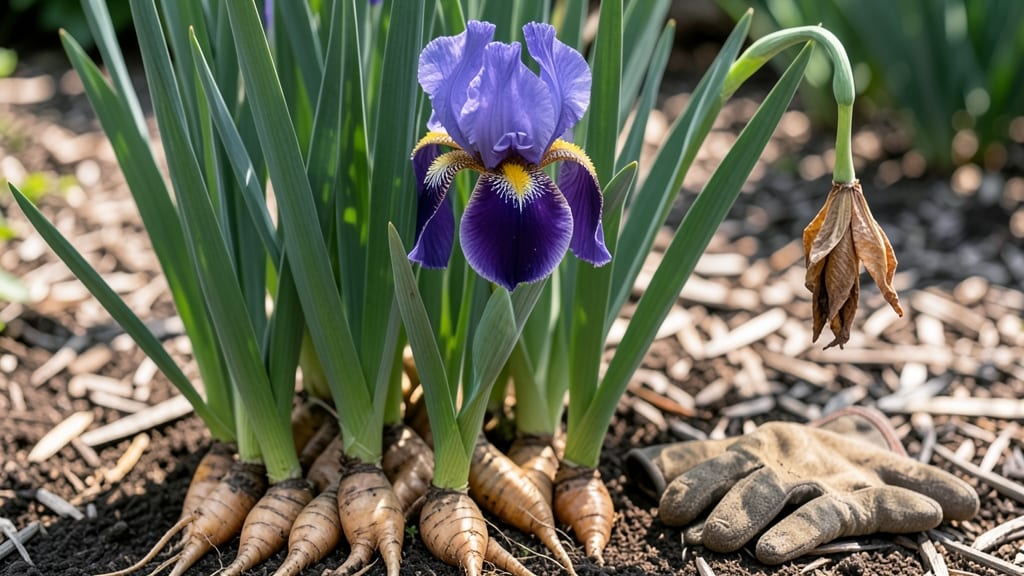
Not all iris varieties bloom every year: bearded irises typically flower annually, while rhizomatous types like Siberian or Japanese irises often bloom biennially or sporadically, depending on sunlight exposure, soil quality, and seasonal care practices. Strategic dormancy periods and regular division help maintain consistent blooming.
Iris flowering habits vary dramatically between types—some need perfect conditions to bloom annually, while others follow a two-year cycle. 🌸 Bearded irises, for example, thrive with full sun and well-draining soil, rewarding gardeners with spring blooms nearly every year.
In contrast, Siberian irises often take a year off between flowering seasons, storing energy underground during dormancy. The key to encouraging blooms lies in mimicking their natural habitat: providing rich, slightly alkaline soil and protecting them from harsh winter winds.
What many gardeners overlook is how division timing impacts flowering. When you split clumps every 3-4 years, you're essentially giving each rhizome a fresh start, which often triggers more vigorous blooming the following season.
I've found that fertilizing with a balanced formula in early spring—just as shoots emerge—gives irises the energy boost they need to produce abundant flowers. For those in cooler climates, a thick layer of mulch in late fall helps insulate the roots, ensuring they survive winter to bloom again next year.
💡 In This Article
- Iris Flowering Cycles by Variety
- Maximizing Iris Blooms: Care Triggers and Maintenance
Iris flowering cycles by variety
Bearded irises stand out as the most reliable annual bloomers, thanks to their robust rhizomes that store energy efficiently. These varieties typically produce 3-5 flower stalks per rhizome each spring, given ideal conditions of 6-8 hours of direct sunlight daily and well-draining soil with a pH between 6.0-7.0.
The secret lies in their deep root systems, which can extend 12-18 inches underground, allowing them to access moisture and nutrients even during drought. 🌿 Unlike their biennial cousins, bearded irises prioritize flowering over foliage growth, making them the garden workhorses of the iris family.
Siberian irises follow a different rhythm, often blooming biennially with a 2-year cycle between flowering seasons. These hardy perennials thrive in cooler climates (USDA zones 3-8) and prefer full sun to partial shade, which helps them build energy reserves in their fibrous roots.
The first year focuses on establishing a strong root system, while the second year produces 10-20 slender flower spikes that rise 2-3 feet tall. Japanese irises take this concept further, sometimes blooming every 3-4 years as they prioritize foliage growth for photosynthesis, storing energy in their thick, sword-like leaves.
Louisiana irises bridge the gap between annual and biennial bloomers, often flowering every 2-3 years when conditions are perfect. Their unique adaptation is a water-tolerant rhizome system that thrives in boggy or marshy soils, making them ideal for pond edges or rain gardens.
Unlike upland irises, Louisiana varieties rely on shallow, constantly moist soil to trigger blooming, which typically occurs in late spring to early summer. The trade-off? Their rhizomes are more delicate and require protection from freezing temperatures in colder zones.
Climate plays a surprising role in these cycles. In warmer southern climates (zones 8-10), many irises bloom twice annually—once in spring and again in fall—thanks to mild winters that don't force full dormancy.
However, in northern zones (3-6), the 6-8 week winter chill period becomes essential for breaking dormancy and setting the stage for next year's blooms. Without adequate cold exposure, irises may skip flowering entirely, a phenomenon gardeners call "dormancy failure."
Here's what's happening biologically: Iris blooming is triggered by a combination of photoperiod (day length) and temperature cues. As days lengthen in late winter, the plant's meristem cells (growth points) receive signals to initiate flower buds.
For biennial types, this process requires two full growing seasons to accumulate sufficient energy, while annuals like bearded irises can "cheat" by storing extra nutrients in their rhizomes. The result? A 50% increase in flower production for well-fed annual bloomers compared to their biennial counterparts.
Visualize the difference: A healthy bearded iris clump might produce 50-100 flowers in a single spring season, while a Siberian iris of the same age could yield only 15-25 flowers—but those flowers last 3-4 weeks longer due to their thinner, more delicate petals.
The trade-off in blooming frequency often comes with longer-lasting individual flowers and more vibrant colors in biennial types, making them prized for cut flower arrangements. 🌸