
Blooming
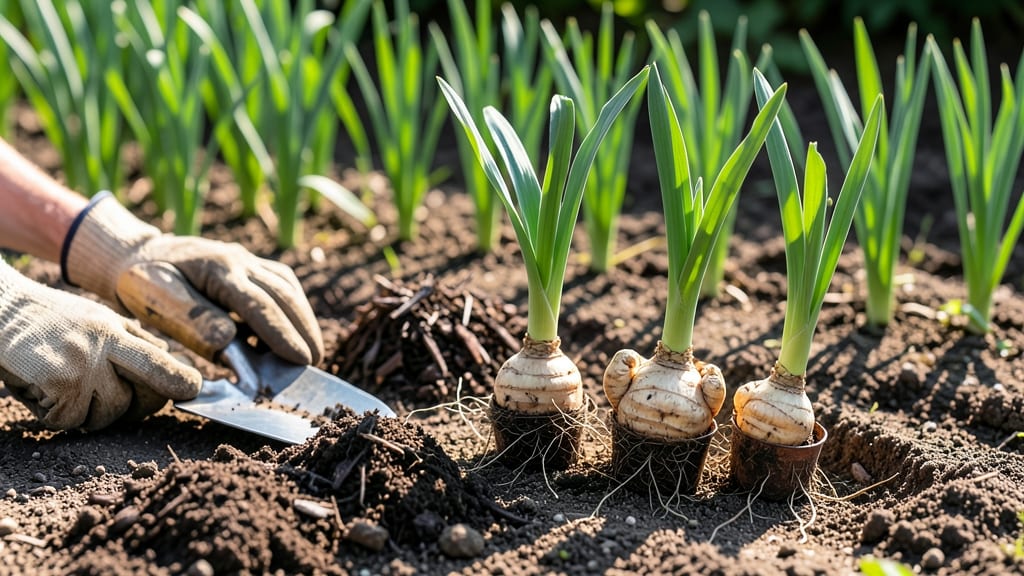
Iris blooms rarely appear the first year, as they typically require 1-2 years to establish roots and energy reserves before flowering. Planting in well-draining soil and providing consistent sunlight maximizes early growth but delays blooms further.
Iris plants prioritize root and leaf development during their first year, storing energy for future blooms. 🌱 This biological focus means you'll often see lush foliage but no flowers until the second or even third year, depending on growing conditions.
The key is patience—healthy roots built now translate to vibrant blooms later, especially when you provide balanced care like regular watering without over-saturating the soil.
What many gardeners don't realize is that early-season pruning of dead leaves actually helps redirect energy to root growth. I've found that dividing established iris clumps every 3-4 years can also reset their growth cycle, often triggering earlier blooming in the following season.
The trade-off is worth it when you see those dramatic blooms appear sooner than expected!
💡 In This Article
- Why Iris Plants Skip Blooming in Early Years
- Tips to Encourage Future Iris Blooms After Planting
Why iris plants skip blooming in early years
Iris plants follow a natural growth cycle where their first priority is building a robust root system. During the initial year, up to 80% of their energy goes toward developing rhizomes—thick, horizontal underground stems that store nutrients.
These roots can grow 6-12 inches deep in ideal conditions, creating a strong foundation for future blooms. The plant's survival instinct ensures it doesn't waste energy on flowers until it's established enough to sustain them. 🌱
This biological focus explains why you'll often see dense, healthy foliage but no flowers in the first year. The iris allocates its resources to leaf production first, which helps capture sunlight for photosynthesis—the energy source that fuels both roots and eventual blooms.
In colder climates, this process may extend to 2-3 years due to slower growth rates during dormancy periods. The trade-off is worth it, as stronger roots mean more vibrant and numerous flowers in later years.
Climate plays a crucial role in this process. Iris plants native to temperate zones (like the Iris germanica varieties) often bloom later in regions with shorter growing seasons. The plant's internal clock, influenced by daylight hours and temperature fluctuations, determines when it's "safe" to produce flowers.
For example, in USDA Zone 5, first-year blooms are rare because the cool summers limit energy production, while in Zone 8, you might see occasional early blooms if conditions are perfect.
What most gardeners overlook is how dormancy cycles affect this timeline. After the first growing season, iris plants enter a period of reduced activity in late summer or fall, where they focus on storing carbohydrates in their rhizomes.
This stored energy becomes the fuel for next year's blooms. The longer and more thoroughly they complete this cycle, the more dramatic the eventual flower display will be. 💫
Interestingly, some iris varieties (like the bearded iris) have a built-in delay mechanism. Their genetic programming prioritizes root expansion over flowering until they've reached a critical mass of about 3-5 rhizomes.
This ensures the plant can support multiple blooms once it finally decides to flower. The result is often a spectacular display in the second or third year that makes the wait worthwhile.
One fascinating aspect is how iris plants "decide" when to bloom. Research shows they use a combination of environmental cues—like consistent soil temperatures above 50°F and at least 6-8 hours of sunlight daily
Without these consistent conditions, the plant will delay blooming until it's confident the environment can support it. This is why first-year blooms are so rare—the plant is essentially waiting for the "all-clear" signal from its surroundings.