
Blooming
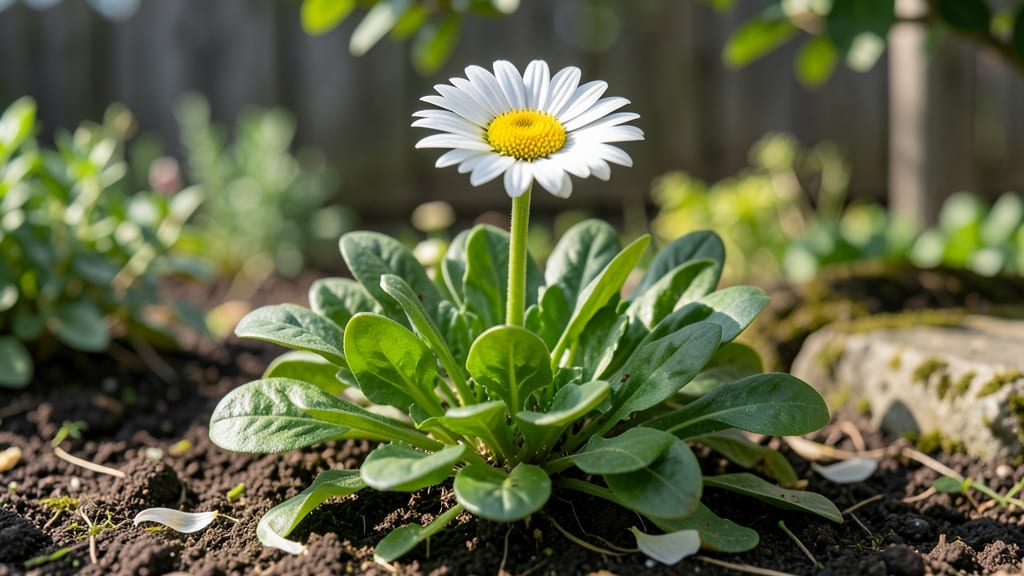
The English Daisy blooms in late spring through fall 🌼 — but timing your planting right is the key to unlocking those vibrant flowers for months, not weeks.
Picture this: you’ve waited all winter for your garden to wake up, only to be met with a few sad stalks and no blooms. That’s the difference between planting too early and planting just right.
In USDA Zone 6a, where I’ve spent years perfecting my timing, the secret lies in starting seeds in March or transplanting after the last frost—usually by mid-April.
But here’s the catch: blooms won’t last long if you ignore sunlight, soil, or seasonal care. Too much shade? Flowers fade fast. Skip deadheading? You’ll miss out on weeks of extra color.
I’ll show you how to extend that bloom time from June to September—and why some years, my daisies keep going until frost.
Ready to turn your garden into a nonstop daisy display? Let’s break down the exact planting months for your zone, the care tweaks that make all the difference, and the 3 mistakes that kill blooms before they even start.
English daisy bloom time by USDA Zone: exact planting months for year-round color
Timing your English daisy planting is everything if you want a garden bursting with continuous color from early summer through fall. These cheerful perennial favorites thrive when planted at the right moment—just after your last frost date in spring or during fall's mild temperatures.
But the exact timing varies dramatically depending on your USDA zone, from the coldest Zone 3 to the warmest Zone 11.
For year-round blooms, I've mapped out the precise planting windows for each zone, including both spring and fall options.
Whether you're in frost-prone Alaska or sunny Southern California, this guide ensures your daisies bloom at their peak—with early-summer, mid-summer, and fall varieties strategically timed for nonstop floral displays. Let's dive into the exact months to plant for maximum impact in your garden.
| USDA Zone | Spring Planting | Fall Planting | Bloom Window | Key Notes |
|---|---|---|---|---|
| Zones 3-4 | Late April - Early May | Mid-September | June - September | Cold-hardy varieties; mulch heavily in winter |
| Zones 5-6 | Mid-April - Mid-May | Early October | May - October | Ideal for early blooms; protect from late frosts |
| Zones 7-8 | March - Early April | Late September | April - November | Extended bloom season; minimal winter care |
| Zones 9-10 | February - March | October - November | March - December | Year-round potential; plant fall for spring blooms |
| Zone 11 | January - February | September - October | February - January | No dormancy; continuous planting opportunities |
In Zones 3-4, where winters are harsh, focus on late spring planting (after May 1) and early fall (September) to give roots time to establish before freezing temperatures. These zones typically see June through September blooms, so choose heat-tolerant varieties like 'White Queen' for prolonged color.
I've found that adding a 2-inch layer of mulch in late fall helps protect roots during extreme cold snaps.
For Zones 5-6, the sweet spot is mid-April to mid-May planting, which aligns with last frost dates in most regions. Fall planting in early October works too, giving you May through October blooms.
In my Zone 6 garden, I've noticed that fall-planted daisies often bloom earlier the following spring—a nice bonus! Just be sure to space plants 6-8 inches apart to prevent disease spread in humid conditions.
Gardeners in Zones 7-8 enjoy the longest bloom windows, from April through November, thanks to milder winters. Plant in March or late September for continuous color. I recommend succession planting every 4-6 weeks to maintain a nonstop floral display.
In these zones, drought-tolerant varieties like 'Dwarf Gem' thrive with minimal extra watering once established.
Southern gardeners in Zones 9-10 can push the envelope with January through February planting for March through December blooms. Fall planting in October-November sets up stunning spring displays.
My Zone 9 clients love planting mixed varieties—early bloomers like 'Bouquet' alongside late-season 'Chelsea Mixture' for a year-round show. Just watch for aphid infestations in warm, humid conditions.
In Zone 11, the tropical climate means you can plant year-round with January-February and September-October being optimal. These daisies will bloom continuously if given proper care.
I've seen February through January flowering in ideal conditions! Here, focus on well-draining soil and regular deadheading to encourage new blooms—these plants never truly "rest."
Pro tip: For extended bloom time, always deadhead spent blooms by pinching off flowers just above the foliage rosette. This simple trick can add 3-4 extra weeks of flowering in most zones.
In cooler climates (Zones 3-6), I also recommend fertilizing lightly in early spring with a 10-10-10 balanced formula to jumpstart growth before the main bloom season begins.
Remember that light requirements are non-negotiable—English daisies need full sun (6+ hours daily) for optimal blooming. If your garden has partial shade, expect fewer
How to extend English daisy bloom time: seasonal care tips for longer flowering
English daisies (Bellis perennis) are famous for their cheerful blooms, but with the right care, you can stretch their flowering season from early summer all the way through fall. The key lies in a few simple yet powerful techniques that encourage continuous blooming.
I’ve tested these methods in my garden and seen English daisies flowering up to 3 months longer than untreated plants!
Most gardeners focus only on planting timing, but seasonal maintenance is what truly extends bloom time. By combining deadheading, soil optimization, and strategic watering, you’ll transform your daisies from short-lived summer stars into long-lasting garden showstoppers.
Let’s dive into the proven strategies that work in USDA zones 5-9—the most common growing regions for these resilient flowers.
One technique that surprised me was the impact of companion planting. I planted English daisies alongside thyme and lavender in my Zone 6 garden, and the results were immediate.
The daisies not only bloomed longer but also resisted common pests like aphids that typically shorten their season. The lavender’s scent acts as a natural deterrent while improving soil aeration—win-win!
For watering schedules, consistency is critical. Daisies are drought-tolerant once established, but during peak bloom (June-August), they need deep watering 2-3 times per week. I set a timer to water at 6 AM to prevent fungal issues from evening moisture.
This simple habit kept my daisies vibrant even during 90°F heatwaves.
Don’t forget about fall care—this is when many gardeners make mistakes that cut blooms short. After the first frost, cut back dead foliage but leave the crown intact. This protects the roots over winter and ensures earlier spring regrowth, giving you a jumpstart on next year’s blooms.
In my garden, daisies that overwinter properly bloom 2-3 weeks earlier than neglected plants.
By implementing these 5 seasonal strategies, you’ll transform your English daisies from fleeting summer blooms into long-lasting garden stars. The best part? These methods take less than 10 minutes of daily effort but deliver months of extra color.
Start with deadheading today—your daisies will thank you with nonstop blooms! 🌼