
Blooming
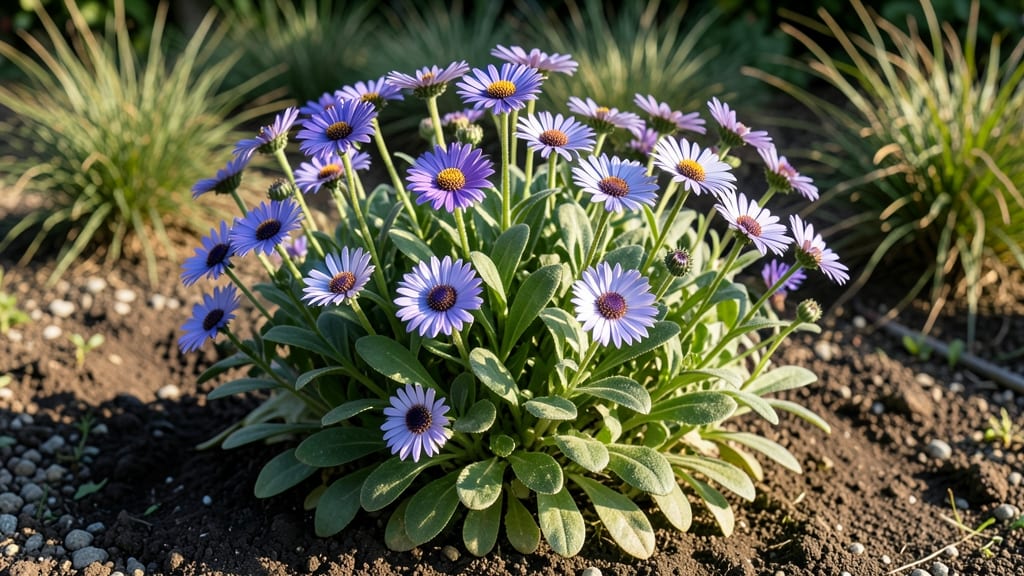
African daisies bloom all summer in warm climates, typically from May through October, with their most vibrant displays between May and September. In cooler regions, flowering generally lasts from June to August but may decline during extreme heat or frost. Regularly removing spent blooms helps maintain continuous flowering.
African daisies thrive in warm climates where temperatures stay consistently above 60°F, allowing them to produce flowers almost nonstop from spring to fall. 🌸 The key to their summer-long performance lies in their ability to rebloom after deadheading—removing faded flowers prompts new growth.
In regions with hotter summers, providing afternoon shade can prevent wilting and extend the blooming season well into September or October.
What sets African daisies apart is their adaptability—they can handle both full sun and partial shade, though their flowering intensity often peaks with 6–8 hours of sunlight daily.
In cooler climates (USDA zones 8–9), blooms may taper off by late summer, but with proper care—like consistent watering and balanced fertilizer—they can still deliver color through August.
💡 In This Article
- African Daisy Flowering Seasons by USDA Climate Zones
- How to Prolong African Daisy Blooms Through Summer Heat
African daisy flowering seasons by USDA climate zones
African daisies (Osteospermum) thrive in USDA hardiness zones 8–11, where their flowering seasons align closely with summer's warmest months. In zones 10–11, these plants can bloom nearly year-round, with peak displays from April to November. The reason?
Consistent temperatures above 65°F trigger continuous flowering, while cooler nights below 55°F signal dormancy. 🌞 In zone 9, blooms typically start in late March and extend through October, though heatwaves above 95°F may cause temporary wilting.
The most dramatic differences appear in zones 8–9, where flowering follows a more defined summer pattern. Here, African daisies begin blooming in May when soil temperatures reach 60°F, with peak performance between June and August.
The plant's photoperiod sensitivity means shorter daylight hours in September trigger natural slowdowns. In zone 8, expect blooms to taper by mid-September unless you provide afternoon shade to combat heat stress.
What's fascinating is how temperature fluctuations affect bloom quality. African daisies produce more vibrant flowers when daytime highs stay between 75–85°F—ideal conditions for photosynthesis and energy storage. 🌸 When temperatures exceed 90°F for prolonged periods, blooms may appear smaller or develop brown edges due to heat stress.
This is why gardeners in zone 9 often report two peak blooming periods: one in spring and another in early fall when temperatures moderate.
For gardeners in marginal zones (7–8), the challenge lies in extending the season. These areas experience 100+ frost-free days, limiting blooms to June–August. The solution? Start seeds indoors 8–10 weeks before last frost to give plants a head start.
In zone 7, treat African daisies as annuals—they'll bloom profusely for 2–3 months before heat or drought takes its toll.
Color variation also plays a role in seasonal performance. Darker blooms (purple, deep blue) tend to handle heat better than lighter varieties (white, pale yellow) because their pigments absorb more sunlight, converting it to energy.
This is why 'Café Au Lait' (bicolor) and 'Butterfly Blue' varieties often outperform pastel types in hot climates.
One often-overlooked factor is soil temperature. African daisies prefer soil that stays above 60°F—cooler soils delay root activity and flowering. In northern zones, mulching with 2–3 inches of straw helps maintain consistent soil temps, while in southern zones, reflective mulches (like white gravel) prevent overheating.
Remember: The 10°F rule applies here—each zone shift northward typically shortens the blooming season by 2–3 weeks. But with proper care, even zone 7 gardeners can coax 6–8 weeks of summer color from these resilient plants. 🌿