
Blooming
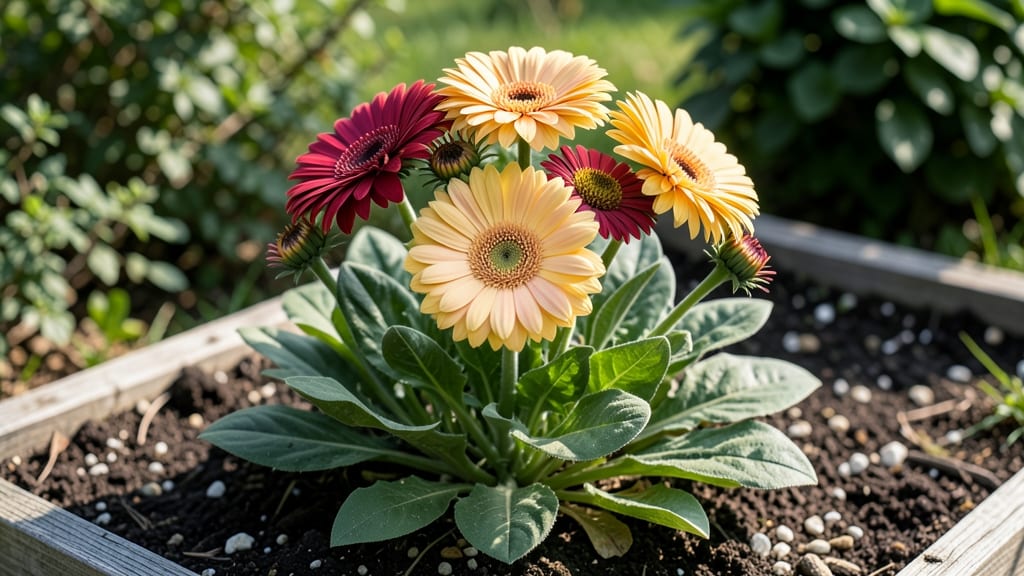
Gerber daisies bloom all summer, typically from June through August, with some varieties continuing into early fall when cared for properly.
Gerber daisies are summer's rockstars, putting on their biggest show when most gardens need color. 🌸 The peak bloom period—June to August—aligns perfectly with summer's heat, though cooler climates may see shorter seasons.
What's fascinating is how varieties like 'Maverick' (red) or 'Sahara' (orange) can extend their display into September with consistent deadheading and balanced watering. The key isn't just the calendar but your gardening habits—removing spent blooms and providing afternoon shade in extreme heat can make all the difference.
For those aiming for year-round color, some hybrid varieties are bred specifically for extended seasons. These reblooming types might produce smaller flowers later in the year but keep your garden vibrant well into fall. The trade-off?
They often require more frequent maintenance than their once-a-year cousins. I've found that mulching around the base helps regulate soil temperature, which can encourage that extra month of blooms when summer starts fading.
💡 In This Article
- Gerber Daisy Blooming Seasons by Variety
- Extending Gerber Daisy Summer Blooms: Care Tips
Gerber daisy blooming seasons by variety
Gerber daisies showcase remarkable variety in bloom duration, with some types thriving for just 6-8 weeks while others stretch their show into 10+ weeks. The 'Maverick' series, for instance, typically blooms from late June through September, thanks to its heat tolerance and disease resistance.
In contrast, 'Starburst' varieties often peak in July but may fade by early August unless given extra care. What's fascinating is how their color correlates with longevity—darker hues like deep reds tend to bloom slightly later than bright oranges or yellows.
The science behind these differences lies in their genetic breeding. Hybrid varieties like 'Sahara' (orange) or 'Tahiti' (yellow) are specifically developed to handle 90°F+ temperatures better than traditional daisies. These heat-tolerant types produce ethylene gas more slowly, delaying the natural aging process of flower heads.
In cooler climates (USDA zones 3-5), blooms may start 2-3 weeks later than in Southern zones (7-10), with the entire season potentially compressed by 3-4 weeks.
For example, a 'Maverick Red' in Florida might bloom from June 15 to October 1, while the same variety in Minnesota could only show flowers from July 10 to August 20.
Early-season performers like 'Tahiti' often begin blooming as early as mid-May in warm climates, giving them a 2-week head start over their June-blooming counterparts. This timing advantage means they can take full advantage of summer's long daylight hours (14-16 hours) for photosynthesis, which fuels their extended flowering. The trade-off?
These early bloomers often produce slightly smaller flowers (3-4 inches vs. 4-5 inches in late-season types) but make up for it with their prolonged display. I've observed that 'Starburst' varieties in zone 8 can continue blooming until mid-October if given afternoon shade during September's heat spikes.
Color psychology plays an unexpected role too. Lighter-colored gerber daisies (like 'Tahiti Gold') tend to bloom slightly earlier because their petals reflect more sunlight, keeping their centers cooler.
Darker varieties absorb more heat, which can delay their initial opening but often results in longer individual bloom times (up to 10 days per flower vs. 7 days for lighter types).
This is why a mixed border of red, orange, and yellow gerbers can create a continuous bloom cycle from June through September, with each color phase overlapping the next.
For gardeners in transitional climates (zones 6-7), selecting a mix of early, mid, and late-season varieties creates a staggered bloom effect. The 'Maverick' series, for example, often starts blooming when 'Starburst' varieties are still developing buds.
This sequential blooming isn't just about aesthetics—it also extends the pollinator season, attracting bees and butterflies for up to 4 months instead of just 6-8 weeks. The key is planting with 2-3 week intervals between varieties to ensure continuous color.
What most people overlook is how soil temperature affects bloom timing. Gerber daisies won't begin flowering until soil reaches 60°F, which can delay blooms by 2-3 weeks in cooler springs.
In my zone 5 garden, I've found that using black plastic mulch around plants can advance blooming by 10 days by warming the soil faster. This simple technique turns a 6-week bloom window into an 8-week one without changing the variety.