
Blooming
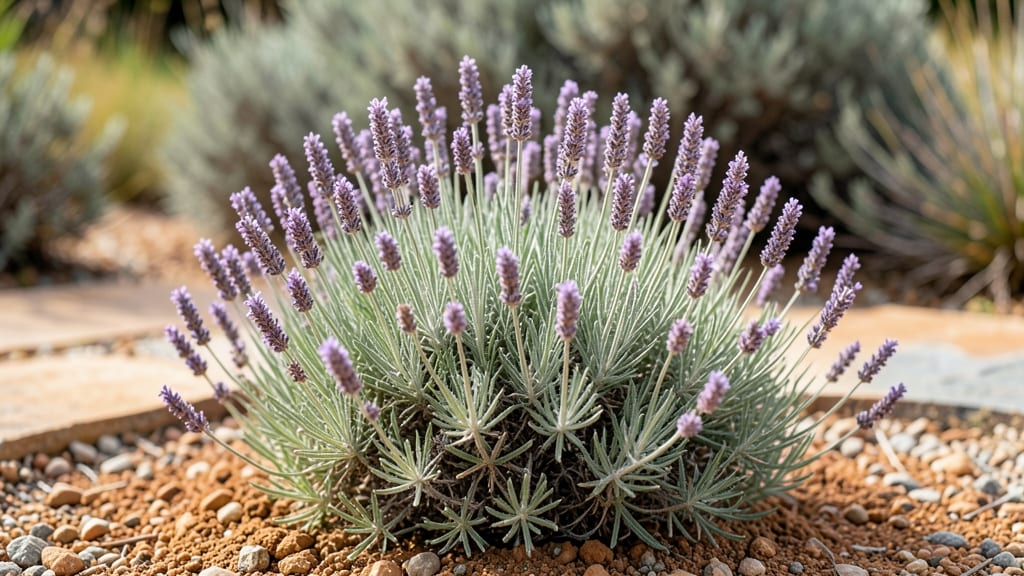
English lavender blooms in mid to late summer 🌸, but the exact timing depends on your variety, climate, and how you care for it.
Picture this: your garden bursting with fragrant purple spikes just as summer peaks—except your lavender sits there, stubbornly leafy and bloom-free. The secret? Timing it right means understanding your zone, variety, and a few simple tricks to nudge those flowers along.
In cooler zones like 6a, blooms typically arrive in July, while warmer regions see them as early as June. Varieties like Munstead bloom earlier than Hidcote, and pruning at the right time can stretch your season by weeks.
Below, I’ll break down the exact months for popular varieties, how to adjust for your climate, and the 3 key steps to guarantee longer, more abundant blooms—so you’re the one everyone envies at the garden party.
When English lavender blooms: months by popular variety
English lavender is a garden staple, but its bloom time varies dramatically between varieties. Munstead and Hidcote are among the most popular, each offering unique flower colors and fragrance intensities. Knowing when to expect blooms helps you plan harvests for sachets or landscape timing for maximum impact.
Let's break down the bloom windows for top varieties so you can create a fragrant, year-round display.
Most English lavender varieties bloom in late spring to early summer, but some extend into fall. Munstead lavender typically starts in June and continues through July, while Hidcote often blooms slightly earlier, around May to June.
The Bressingham Pink variety adds a soft pink hue and blooms a bit later, from June to August, making it perfect for extended color.
Here's a quick visual comparison to help you visualize the differences in bloom times, flower colors, and fragrance intensity for each variety:
The Grosso lavender variety is a late bloomer, often starting in July and continuing through August. Its intense fragrance makes it a favorite for potpourri and sachets. If you're planning a lavender harvest, timing is everything—Grosso's late bloom means you can extend your harvest season by a few
How climate zones affect English lavender bloom time
Your English lavender bloom time isn't set in stone—it shifts dramatically based on your USDA hardiness zone. In Zone 9 (like Southern California), you might see blooms as early as February, while gardeners in Zone 5 (like Minnesota) often wait until June or July.
These differences matter for planning fragrance-filled borders and harvesting time.
Warmer climates push lavender into earlier blooming because the plant responds to longer daylight hours and milder winters. In cooler zones, frost delays growth, making late spring the typical start. Understanding these patterns helps you choose varieties that thrive in your specific zone for consistent blooms.
If you live in Zones 3-5, you can still enjoy early blooms by planting in containers and moving them to sheltered spots during winter. This protects roots from freezing temperatures while still allowing sunlight exposure.
For Zones 8-9, focus on late summer pruning to encourage a second flush of blooms in fall.
In Zone 6 (like my garden in Pennsylvania), I've found that planting Hidcote lavender near a south-facing wall extends the bloom season by 2-3 weeks. The wall acts as a heat sink, warming the soil and encouraging earlier growth. Try this trick if you're in a transitional zone!
For gardeners in Zone 7 and warmer, consider fall planting to take advantage of winter rains. This method helps establish roots before summer heat arrives, leading to earlier spring blooms the following year. Just ensure your soil has excellent drainage to prevent root rot.
No matter your zone, deadheading spent blooms in late summer can trigger a second round of flowers. In cooler zones, this might extend blooms into early fall, while warmer zones could see winter blooms if temperatures stay mild. Always use clean, sharp shears to avoid damaging stems.