
Blooming
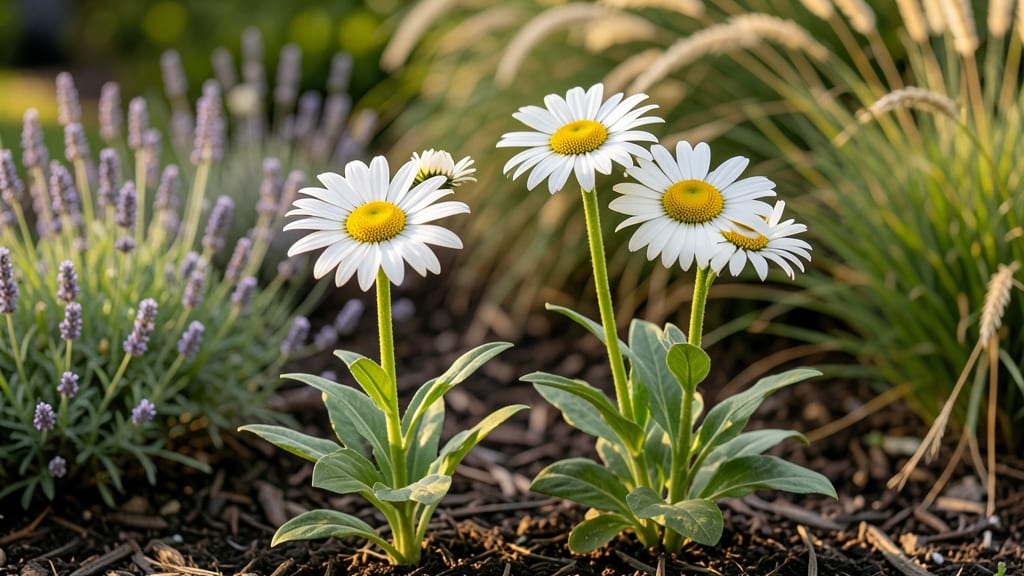
Daisies don't bloom all summer continuously; most varieties produce flowers primarily in spring and fall, with occasional late-summer reblooms if you regularly remove spent blooms. Perennial types like Shasta daisies may show sporadic summer blooms, while annual varieties like Gerbera daisies typically bloom best in cooler weather.
Daisy blooming patterns are actually tied to their natural growing cycles and environmental triggers.
Most varieties follow a seasonal rhythm where they enter dormancy during extreme heat to conserve energy, which is why you rarely see them flowering nonstop. 🌸 The key to getting more summer blooms lies in proper deadheading—removing faded flowers encourages new growth, but even then, heat stress can limit production.
Perennials like Shasta daisies might surprise you with a few summer blooms, while annuals often wait for milder temperatures to really shine.
What's interesting is how different daisy types respond to summer conditions. For example, Gerbera daisies—those vibrant annuals—often go dormant in peak heat, while hardier perennials like Oxeye daisies might push through with some effort.
The solution isn't forcing continuous blooms but working with their natural rhythms while providing optimal care during their active seasons.
💡 In This Article
- Daisy Bloom Cycles by Variety and Season
- Extending Daisy Blooms: Pruning and Care Tips for Summer
Daisy bloom cycles by variety and season
Daisy blooming patterns are fundamentally tied to their biological clocks and environmental triggers. Most varieties follow a photoperiodic response, meaning they bloom in response to daylight length rather than continuous warmth.
For example, Shasta daisies—classic perennial daisies—typically bloom in spring when temperatures hover around 50-65°F and days lengthen, then again in fall as daylight shortens. Their summer dormancy isn't laziness; it's a survival strategy to conserve energy during heat stress, which can exceed 90°F in many regions. 🌞
The distinction between perennials and annuals creates dramatic differences in summer behavior. Annual varieties like Gerbera daisies (those vibrant, multi-colored blooms) are often tropical in origin and struggle with summer heat above 85°F.
They thrive in cooler spring/fall conditions, which is why gardeners in hot climates plant them in late summer for fall blooms.
Meanwhile, hardy perennials like Oxeye daisies can tolerate summer heat better but still enter a semi-dormant state when soil temperatures exceed 80°F, redirecting energy to root growth rather than flowering.
Daylight hours play a surprising role too. Many daisies require 12-14 hours of daylight to trigger blooming, which explains why summer solstice (longest day) doesn't guarantee flowers—it's often too hot. The magic window is typically 55-75°F with 10-12 hours of light, creating the perfect bloom conditions.
This is why late summer blooms often appear in September when temperatures drop slightly and daylight begins shortening again. 🌿
Soil conditions also influence summer performance. Daisies planted in well-draining soil with pH 6.0-7.0 (slightly acidic to neutral) show better heat tolerance. The roots develop deeper when not stressed by poor drainage, allowing them to access moisture during dry spells.
In contrast, daisies in heavy clay soils often go dormant earlier due to waterlogging stress. This is why mulching with 2-3 inches of organic matter (like shredded bark) helps maintain consistent soil moisture and temperature.
What most gardeners don't realize is that daisies actually prefer cooler nights for blooming. Temperatures above 75°F at night can prevent bud formation entirely, which is why you'll see more blooms in late summer when nighttime temps drop to 60-70°F.
This is particularly noticeable with Painted daisies, which often produce their best flowers in early spring or late fall when these temperature conditions align naturally. 🌸
Here's the key takeaway: While you won't get continuous summer blooms, understanding these patterns lets you work with nature. Plant heat-tolerant varieties like Nippon daisies (which handle 90°F+ better) in hot zones, and focus your deadheading efforts on late summer to early fall when conditions become more favorable for reblooming.
The goal isn't to force summer flowers but to create conditions where daisies can perform their best during their natural bloom windows.