
Blooming
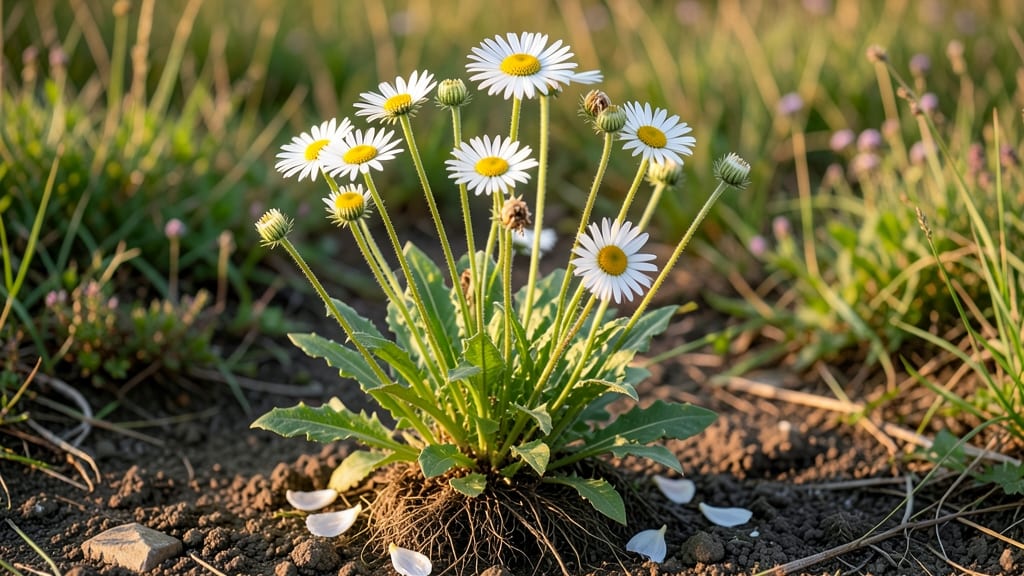
The daisy bloom season bursts into life at different times depending on their type—perennials like Shasta daisies light up summer gardens, while annuals like gerberas thrive in late spring and fall. 🌼 The key to year-round cheer lies in understanding their natural rhythms and giving them the right care at the right time.
I’ve learned that pruning at the right moments can extend their bloom season by weeks, turning a single burst of color into a continuous display.
Perennial daisies typically bloom from early summer through fall, with some varieties reblooming if you deadhead spent flowers regularly. Annual daisies, on the other hand, offer vibrant blooms from late spring until the first frost, making them perfect for seasonal color.
The trick is to plant perennials in early spring and annuals after the last frost date in your area—this timing ensures they establish roots before the heat or cold sets in.
With the right pruning schedule, you can keep daisies flowering well into autumn. Cut back faded blooms to encourage new growth, and trim back leggy stems in early spring to promote bushier, more productive plants.
This simple maintenance turns a one-time summer show into a garden highlight all season long, even in cooler months.
Whether you’re in a warm climate where daisies bloom nearly year-round or a cooler region with a shorter season, these care tips adapt easily. The result? A garden that stays cheerful, vibrant, and full of those classic daisy smiles—no matter the time of year.
📚 In This Guide
- What you need
- Instructions
- Tips and common mistakes
- Wrapping up and next steps
What you need
- ● Sharp pruning shears – Bypass-style, 5-7 inches (1 pair). Dull blades crush stems—ruins plant health!
- ● Garden gloves – Durable, breathable fabric (1 pair). Protects hands from thorns and sap.
- ○ Disinfectant (70% isopropyl alcohol or hydrogen peroxide) – Small spray bottle (optional but highly recommended). Prevents disease spread between cuts.
- ○ Pruning saw – For thick stems (optional) (1 small saw). Use if stems >1 inch wide.
- ○ Compost or mulch – 2-3 gallons (optional but great for post-pruning nourishment).
- ● Plant markers – Label stems you’ve pruned (pack of 10). Helps track progress!
- ● Fertilizer (balanced 10-10-10 or bloom booster) – 1 lb. Apply 4-6 weeks post-pruning for extra vigor.
- ○ Hand lens (magnifying glass) – For inspecting stems (optional). Spots pests or disease early.
- ● ✅ Know your daisy type – Perennial (e.g., Shasta daisies) vs. annual (e.g., Gerbera). Pruning needs vary!
- ● ✅ Best weather window – Prune on a dry, overcast day (avoid midday heat). Reduces stress on plants.
- ● ✅ Clean workspace – Remove debris, weeds, or old flowers within 3 feet of plants.
How to extend daisy bloom season through strategic pruning
Here's the secret to keeping your daisies flowering nonstop—it's all in the timing and technique.
✂️ Step 1: Identify the Right Time for Pruning
Prune daisies after they've finished blooming for the season, but before new growth appears in spring. This is usually in late fall, just as the foliage begins to yellow. You'll notice the center of the flower heads turning brown and the petals wilting—this is your cue to act.
Wait until temperatures drop below 50°F at night to avoid stressing the plants. Cold weather helps the plant redirect energy toward root development rather than new top growth. If you prune too early, you risk encouraging tender new shoots that won't survive winter's chill.
✂️ Step 2: Cut Back Dead Blooms and Foliage
Using clean, sharp pruning shears, cut back the entire plant to about 2-3 inches above the ground. This drastic cut might seem harsh, but it's essential for encouraging fresh, vigorous growth in spring. Focus on removing all dead foliage and spent flower heads—these can harbor pests and diseases over winter.
Make your cuts at a 45-degree angle just above a leaf node or bud. This angled cut helps water run off the stem and prevents rot. If your daisies have woody stems, you can leave them slightly taller—around 4-6 inches—to protect the plant from harsh winter winds.
☀️ Step 3: Encourage New Growth in Early Spring
As soon as you see new shoots emerging in early spring, it's time to give your daisies a fresh start. Wait until the soil has warmed to at least 55°F and the risk of frost has passed. You'll notice tiny green buds pushing through the soil—this is your signal to begin light pruning again.
Trim back any dead or damaged stems to encourage the plant to focus its energy on producing healthy new growth. Avoid cutting into live tissue unless absolutely necessary. Instead, shape the plant by removing only the dead or crossing branches. This step is all about balance—you want to maintain the plant's natural form while encouraging fullness.
🌱 Step 4: Deadhead Regularly for Continuous Blooms
Once your daisies start flowering in spring, deadhead spent blooms immediately by snipping off the flower head just above the first set of healthy leaves. This simple act tricks the plant into producing more flowers instead of seeds. You'll see new buds forming within 2-3 weeks of consistent deadheading.
Be gentle but decisive—don't leave any flower stems behind, as they can drain energy from the plant. If you notice any yellowing or wilting leaves, remove them as well. This keeps the plant focused on producing vibrant blooms rather than struggling with decay. Consistency is key here; check your daisies every 3-4 days during peak bloom season.
💧 Step 5: Adjust Watering and Fertilizing for Year-Round Blooms
Water your daisies deeply once a week, ensuring the soil is moist to a depth of 4-6 inches. You'll know you've watered enough when excess water begins to run out of the drainage holes. Overwatering can lead to root rot, while underwatering stresses the plant and reduces bloom production.
Apply a balanced, slow-release fertilizer every 6-8 weeks during the growing season to provide steady nutrition. Look for a fertilizer with an equal ratio of nitrogen, phosphorus, and potassium, like a 10-10-10 blend. This encourages strong root development, lush foliage, and abundant blooms. Stop fertilizing in late summer to allow the plant to prepare for winter.
Tips & tricks for extending daisy bloom season
Here's what I've learned after years of watching daisies thrive—and how to avoid the mistakes I made early on.
Timing is Everything: In Step 1, those nighttime temperatures below 50°F are critical. I used to prune too early when the weather was still warm, and my daisies would send up tender new growth that froze back. Wait for those crisp fall nights—your plants will thank you with stronger roots and more blooms next season.
The Right Cut Makes All the Difference: When you're doing that 2-3 inch cut in Step 2, don't be afraid to go bold! I used to hesitate and leave too much foliage, which led to weak growth. Cut cleanly at that 45-degree angle—it's not just about looks, it's about giving water a clear path away from the stem. For woody stems, that extra 2 inches of height really helps protect against winter winds.
Spring's Gentle Wake-Up Call: In Step 3, when you see those first green buds, resist the urge to go full pruning mode. Those delicate shoots are fragile—just trim the dead or damaged parts while leaving the new growth intact. Think of it like giving your daisies a spa day: you're removing the old to make way for the new without shocking the system.
Consistency Wins the Bloom Battle: That 3-4 day deadheading routine in Step 4 is where the magic happens. I used to skip weeks when I got busy, and my bloom production would drop noticeably. Set a reminder on your phone if you have to—those 5 minutes every few days will give you nonstop color all season long.
Pro Tips for Daisy Bloom Season
- Here's what I've learned after years of watching daisies thrive—and how to avoid the mistakes I made early on.
- Timing is Everything: In Step 1, those nighttime temperatures below 50°F are critical. I used to prune too early when...
- The Right Cut Makes All the Difference: When you're doing that 2-3 inch cut in Step 2, don't be afraid to go bold! I ...
Frequently asked questions
Got questions about keeping your daisies blooming all season long? You’re not alone! Here are some of the most common inquiries—and their answers—to help you master the art of daisy bloom season with confidence.
When is the best time to prune daisies for continuous blooms?
Prune daisies in early spring (just as new growth starts) and again after each major bloom cycle—typically every 6–8 weeks. This encourages fresh growth and prevents leggy stems. Avoid heavy pruning in late summer, as it may delay fall blooms. Pro tip: Use clean, sharp shears to avoid damaging stems!
How long does it take for daisies to rebloom after pruning?
Most daisies rebloom in 4–8 weeks after pruning, depending on the variety and growing conditions. Hardy types like Gerbera or Shasta daisies often bounce back faster in warm, sunny climates. If blooms are slow to return, check for overcrowding or nutrient deficiencies—they might need a light fertilizer boost!
Can I prune daisies in winter for better spring blooms?
Light winter pruning (removing dead or damaged foliage) is fine, but avoid heavy cuts—daisies need their energy reserves for spring. In mild winters, a trim after the first frost can help, but in freezing climates, wait until late winter. Pro tip: Mulch around the base to protect roots!
What if my daisies stop blooming after pruning?
No blooms? Check these culprits:
- Over-pruning: Cut back only 1/3 of the plant at a time.
- Lack of sunlight: Daisies need 6+ hours of sun daily.
- Nutrient deficiency: Feed with a balanced bloom booster (like 10-10-10).
- Pests/disease: Inspect for aphids or fungal spots—treat early!
If the issue persists, your daisies might need a rejuvenation prune in spring.
Are there low-maintenance daisy alternatives for busy gardeners?
Yes! Try these easy-care bloomers that thrive with minimal pruning:
- Black-eyed Susans (bloom all summer, drought-tolerant).
- Coneflowers (perennial, attracts pollinators).
- Zinnias (fast-growing, great for cut flowers).
These varieties often reward you with less effort but just as much color!
Wrapping up and next steps
Watching your daisies bloom year after year is a rewarding experience—one that starts with pruning precision and ends with vibrant, healthy flowers gracing your garden. Whether you’re trimming for shape, encouraging new growth, or preparing for seasonal changes, the key is consistency and care.
Now that you’re armed with the right tools, techniques, and answers to common questions, it’s time to roll up your sleeves and get pruning!
🌸 Next steps:
- Mark your calendar for seasonal pruning sessions.
- Observe your daisies’ growth and adjust your approach as needed.
- Share your blooming success (and pruning tips!) with fellow gardeners.