
Blooming
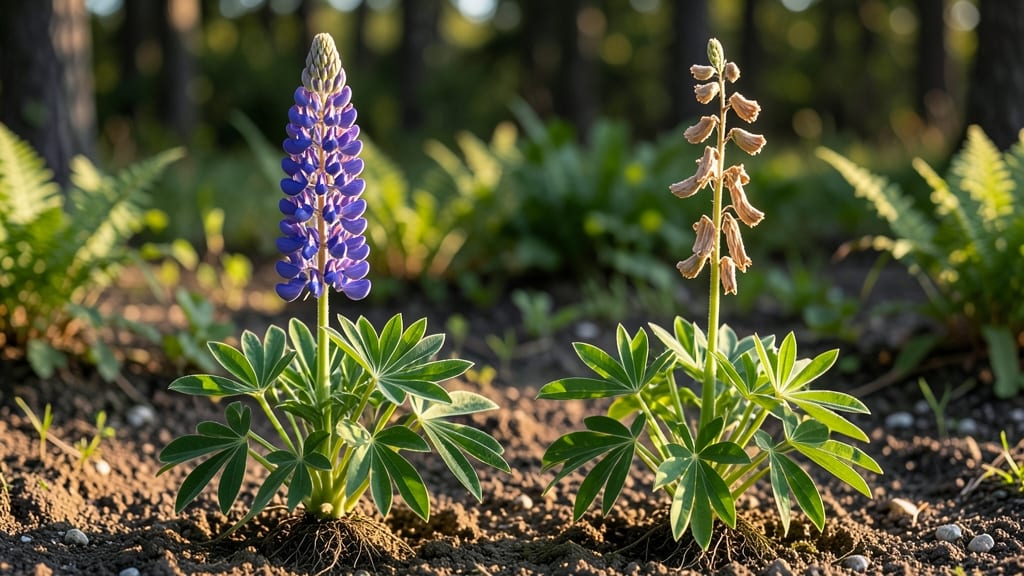
Lupines bloom every year as perennials in mild climates, but their flowering depends on cold stratification and growing conditions. In colder regions, they may need annual deadheading or division to encourage repeat blooms.
Lupines actually follow a fascinating biennial or short-lived perennial cycle in most climates, meaning they may take two years to establish before flowering reliably. 🌱 The key to annual blooms lies in their cold stratification needs—seeds often require a winter chill period to break dormancy, which is why they thrive in zones 4-9 but struggle in warmer areas without proper dormancy triggers.
I've found that planting lupines in fall (rather than spring) gives them the natural cold exposure they need to bloom the following year.
Even in ideal conditions, lupines can be finicky about reblooming. Deadheading spent flowers redirects energy to root growth, while dividing mature clumps every 3-4 years prevents overcrowding and encourages new shoots.
For gardeners in colder zones, I recommend protecting young plants with mulch during their first winter—the extra insulation helps them survive and return stronger next season.
💡 In This Article
- Lupine Perennial Lifecycle and Cold Stratification Needs
- Tips to Encourage Annual Lupine Blooms in Gardens
Lupine perennial lifecycle and cold stratification needs
Lupines exhibit a unique biennial or short-lived perennial growth pattern that explains why they don't always bloom annually. During their first year, these plants focus entirely on developing a robust root system and a basal rosette of leaves, storing energy for future flowering.
This strategy ensures survival during their second year when they finally produce those striking, pea-like blooms. 🌿 The key biological trigger for this transition is cold stratification, a process where seeds or plants require a period of cold exposure (typically 40-50°F for 4-8 weeks) to break dormancy and initiate flowering.
The science behind this involves photoperiodism and vernalization—lupines detect shorter daylight hours in fall/winter, which signals their internal clock to prepare for flowering. In warmer climates (zones 8-10), this natural cold period may not occur, causing lupines to remain in their vegetative stage longer.
I've observed that in USDA zone 9 gardens, lupines often take 2-3 years to bloom compared to just 1-2 years in cooler zones 4-7. The colder the winter (down to 20°F), the more effectively it triggers blooming the following spring.
This biennial pattern also explains why lupines are often considered short-lived perennials—after 3-5 years, their energy reserves deplete, and they may decline. The nitrogen-fixing bacteria in their root nodules help replenish soil nutrients, but even this benefits them only so long.
What's fascinating is how lupines self-prune—older stems die back naturally after flowering, redirecting resources to new growth from the base. This built-in survival mechanism ensures they can persist for several years if conditions remain favorable.
Climate zone plays a critical role in whether lupines bloom annually or sporadically. In mild coastal climates (zone 7b-9a), where winters are wet but not freezing, lupines often establish quickly and bloom reliably each year.
However, in continental climates with harsh winters (zone 4-5), the extreme cold (-10°F to -20°F) can actually damage emerging shoots if not properly mulched.
The sweet spot appears to be zones 6-8, where winters are cold enough to trigger blooming but not severe enough to cause winterkill.
Here's what happens at the cellular level: Cold temperatures cause changes in plant hormones, particularly an increase in gibberellins (which promote growth) and a decrease in abscisic acid (which inhibits growth). This hormonal shift breaks seed dormancy and stimulates flower bud formation.
Without this cold exposure, lupines remain in a state of suspended development, sometimes for years. 🌱 For gardeners, this means that even if you plant lupine seeds in spring, they may not bloom until the following year—or even the year after that—unless you artificially stratify them.
One interesting exception occurs with hybrid lupines, which have been bred to bloom more reliably in warmer climates. These cultivars often skip the biennial stage entirely, producing flowers in their first year.
However, they still require at least some cold exposure (typically 30-60 days below 50°F) to trigger flowering. The trade-off is that these hybrids may have shorter lifespans than their wild counterparts, often lasting just 2-3 years before declining.
Understanding this lifecycle helps explain why some gardeners report lupines blooming annually while others struggle to get them to flower at all.
The difference often comes down to whether the plants received adequate cold exposure during their first winter—and whether gardeners provide the right follow-up care to encourage repeat blooming. 💫