
Blooming
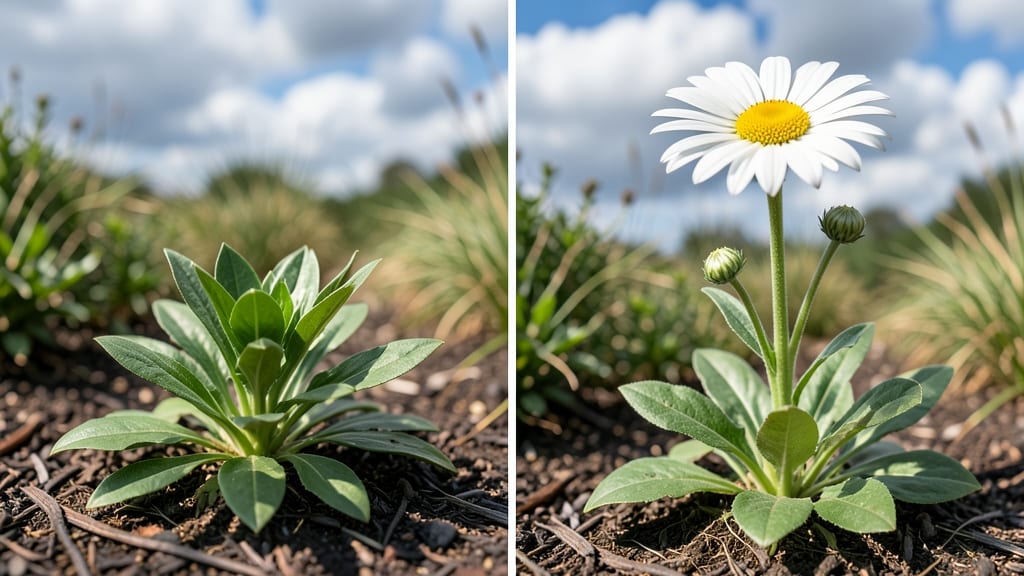
Shasta daisies typically do not bloom the first year after planting, focusing instead on establishing a strong root system and foliage growth for winter hardiness and future flowering.
This first-year focus isn't a sign of poor health—it's actually a smart survival strategy. 🌱 Shasta daisies are biennials, meaning they prioritize building deep roots and sturdy stems during their first growing season. This energy investment pays off in year two when they reward you with those iconic large blooms.
The key is patience; think of it like saving money for a big purchase. I've seen gardeners rush to fertilize or prune early blooms, but that often backfires by weakening the plant's foundational growth.
The right conditions make all the difference. Well-draining soil and consistent moisture without waterlogging create the perfect environment for that crucial root development. In my experience, plants grown in USDA zones 5-9 tend to follow this pattern most reliably, though cooler climates might see slightly delayed blooming.
The trade-off is worth it—second-year plants often produce 100+ blooms per stem, creating dramatic garden focal points.
💡 In This Article
- Why Shasta Daisies Delay Flowering in First Year
- Tips to Encourage Shasta Daisy Blooms Next Season
Why Shasta daisies delay flowering in first year
Shasta daisies follow a biennial growth cycle, meaning they prioritize root and foliage development in their first year rather than flowering.
This biological strategy ensures they build a robust foundation to survive winter and produce abundant blooms in their second year. 🌱 The plant allocates most of its energy to creating deep, fibrous roots that can access moisture and nutrients efficiently, often reaching 12-18 inches deep by fall.
This root system acts like an anchor, stabilizing the plant against wind and drought while storing energy for future growth.
The timing of this delayed flowering is influenced by several factors. Temperature plays a critical role—cooler climates (USDA zones 5-7) often see more pronounced biennial behavior, while warmer zones (8-9) might produce occasional first-year blooms if conditions are ideal.
Soil quality matters too; well-draining soil with organic matter helps roots establish faster, while heavy clay can stress the plant and delay blooming. The plant's natural instinct is to wait until it has sufficient reserves to support those large, 4-6 inch blooms that can weigh down stems.
What most gardeners don't realize is that this first-year growth phase is actually preparing for a spectacular second year. The foliage you see in the first year isn't just leaves—it's building up the plant's photosynthetic capacity to fuel future blooms.
Studies show that plants with more extensive root systems in their first year can produce 2-3 times more flowers in their second year compared to those that bloomed early. The trade-off is worth it for that dramatic display of 100+ blooms per mature plant.
Climate conditions also create variations in this pattern. In regions with mild winters, Shasta daisies might attempt early blooming, but these flowers often fall off due to insufficient energy reserves. This is nature's way of ensuring the plant only produces blooms when it's truly ready.
The plant's survival instincts override the desire to flower prematurely, which is why you'll rarely see healthy first-year blooms—even in ideal conditions.
Here's what's happening at the cellular level: The plant's meristematic cells (growth centers) remain dormant in the first year, focusing on root and stem elongation rather than flower bud formation.
This dormancy is triggered by day length and temperature cues, similar to how many biennial vegetables like carrots and onions operate. The shift to flowering mode typically occurs in late winter or early spring of the second year, when the plant senses adequate energy reserves and favorable growing conditions.
One fascinating aspect is how this growth pattern benefits the plant's long-term survival. Shasta daisies that bloom heavily in their second year have proven to be more resilient against pests and diseases, thanks to their well-developed root systems.
The energy invested in the first year creates a plant that's better equipped to handle environmental stresses, from drought to temperature fluctuations. This biological strategy ensures the species continues to thrive across different growing conditions.