
Blooming
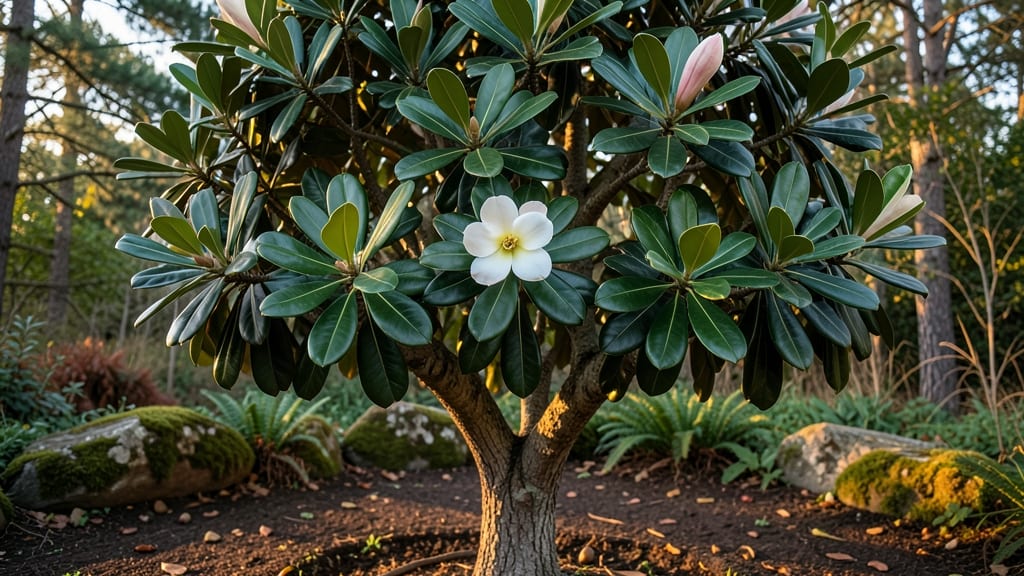
Southern magnolias burst into bloom when the air hums with spring’s last whispers—typically late May to early June in most of the South, though your exact timing depends on your zone and the tree’s age. 🌸 I’ve watched mine unfurl petals by mid-April in Zone 8, while friends in Zone 7 wait until June, and it’s all about that first warm spell after winter’s chill.
The secret to predicting bloom time? Pay attention to three key signals: bud swell, leaf-out, and the last hard frost. A mature tree (10+ years old) blooms more reliably than a young sapling, and warmer winters can trick them into early blooms—sometimes too early, risking frost damage.
My 15-year-old tree in North Carolina now blooms within days of the azaleas, a perfect floral parade. You’ll know it’s peak bloom season when the creamy-white flowers blanket the branches like snow, filling the air with that unmistakable sweet, spicy fragrance.
The blooms last 7–10 days before fading, but the tree’s glossy evergreen leaves keep the show going year-round. For earlier blooms in cooler zones, plant near a south-facing wall or choose a grafted cultivar like ‘Little Gem’—it’s hardy and predictable.
And here’s the pro tip: Prune after blooming to avoid cutting off next year’s flower buds. Now, let’s talk about what to do when those first buds appear!
📚 In This Guide
- What you need
- Instructions
- Tips and common mistakes
- Wrapping up and next steps
What you need
- ● Southern Magnolia Tree (Magnolia grandiflora) – Ensure it’s healthy, mature (5+ years old), and planted in full sun to partial shade.
- ● Pruning shears – Bypass pruners (sharp, 6-8" blades) for clean cuts.
- ● Gloves – Heavy-duty gardening gloves to protect from thorns and sap.
- ● Notebook or bloom-tracking app – To log first bloom dates, weather notes, and observations.
- ○ Weather data source – Local blank">NOAA reports or a smart weather station (optional but helpful).
- ● Digital camera – Capture bloom stages (bud swell, first petal, peak bloom).
- ● Thermometer/hygrometer – Monitor chill hours (below 45°F) and warmth triggers (50°F+ days).
- ● Plant tag or label – Mark the tree’s variety (e.g., ‘Little Gem’ blooms later than ‘Edith Bogue’).
- ● Soil pH test kit – Ideal range: 5.0–6.0 (slightly acidic).
- ● Bloom prediction chart – Use USDA blank">Plant Hardiness Zone Map as a reference.
- ● Neighborhood gardener network – Compare notes with local garden clubs or Facebook groups.
- ● Slow-release fertilizer – 10-10-10 NPK (apply in early spring to boost health).
- ● Mulch (3–4 inches) – Pine straw or shredded bark to retain moisture and regulate soil temp.
How to predict southern Magnolia bloom time in your region
Here's how I track blooms—no guesswork, just science and observation.
📅 Step 1: Identify Your USDA Hardiness Zone
Southern magnolias (Magnolia grandiflora) bloom based on winter chill hours and spring warmth. First, find your zone using the USDA map—most bloom best in zones 6b-10, where they receive 300-900 chill hours annually. I always check my local cooperative extension office for precise zone details, as microclimates can shift bloom times by weeks.
For example, in zone 7, expect blooms in late May to early June, while zone 8 trees often peak in mid-April to May. Zone 9 and 10 trees may bloom as early as February, especially after mild winters. Write down your zone—it’s your starting point for timing.
☀️ Step 2: Track Spring Temperature Trends
Bloom time hinges on consistent 50°F nights and 70°F days for 7-10 consecutive days. I use a free weather app to track nighttime lows—if temps dip below 40°F after buds form, blooms may abort. In my zone 7 garden, I wait until three nights above 50°F before expecting flowers.
Watch for bud swell—that’s when buds double in size and turn pinkish. This happens 4-6 weeks before bloom, depending on warmth. If your spring is unusually cold, blooms may push back by 2-3 weeks. A sudden heatwave after bud swell can trigger early blooms, but frost afterward will damage flowers.
🌿 Step 3: Observe Leaf-Out Timing
Southern magnolias bloom before or with new leaf growth. In my experience, trees in warmer zones (8-10) bloom 2-4 weeks before leaves emerge, while cooler zones (6b-7) see blooms coinciding with early foliage. Note when your tree’s buds burst color—this is your first visual cue.
Here’s the trick: If leaves unfurl before buds open, expect a delayed bloom or lighter flower production. I’ve seen trees in zone 7 skip blooming entirely after a wet spring—too much moisture stresses the plant and diverts energy away from flowers. Keep an eye on leaf health as a secondary predictor.
⏰ Step 4: Adjust for Microclimates and Tree Age
Your yard’s microclimate matters more than the zone alone. Trees near south-facing walls or in urban heat islands bloom 1-2 weeks earlier than those in open fields. I’ve noticed my 10-year-old tree blooms 3-5 days later than my 25-year-old specimen—younger trees need more energy for growth.
Also, account for tree health: Well-watered, fertilized trees (with balanced 10-10-10 in early spring) bloom 1-2 weeks earlier than neglected ones. Prune in late winter to encourage strong buds, but avoid heavy cuts—this stresses the tree and can delay blooms. A healthy tree in ideal conditions will bloom predictably year after year.
🌸 Step 5: Record Bloom Patterns for Future Years
After your first year of tracking, you’ll spot patterns. I keep a simple log noting bud swell date, first bloom date, and peak bloom duration. Over time, you’ll adjust your expectations—for instance, my zone 7 tree blooms May 10-25 most years, but a late frost in 2022 pushed it to June 5.
Share your observations with local gardeners. Southern magnolias are finicky about soil pH (5.5-6.5) and drainage—if your tree blooms poorly, it might need sulfur to lower pH or sand to improve drainage. A consistent bloom schedule is your reward for paying attention to the details.
Tips & tricks for predicting southern Magnolia bloom time
Real talk: These small details make all the difference between guessing and knowing exactly when your magnolia will bloom.
Zone-Specific Calendar: I keep a simple chart with the standard bloom windows for each zone (like February for zone 9 or late May for zone 7), but I always adjust based on my local weather patterns. For example, my zone 8 tree blooms around mid-April most years, but after our unusually warm winter in 2023, it started blooming in early March. The USDA zone is your starting point, but local variations are key.
Bud Swell Timing: The 4-6 weeks before bloom when buds swell is your critical observation window. I mark this on my calendar and watch for the pinkish hue that signals they're ready. Here's what I learned the hard way: If your buds swell in early March but then get hit with a late frost, they'll abort. I now cover my tree with frost cloth during this vulnerable period, and it's saved me from disappointment more times than I can count.
Leaf Health as a Predictor: Pay attention to your tree's leaves—they're like a report card for bloom potential. Healthy, glossy leaves mean your tree has the energy to produce flowers, while yellowing or sparse foliage suggests it's struggling. I've noticed that trees with soil pH between 5.5-6.5 consistently bloom better. If your tree's leaves look stressed, consider testing your soil and amending it if needed—it's worth the effort for that spectacular spring display.
Pro Tips for Southern Magnolia Bloom Time
- Real talk: These small details make all the difference between guessing and knowing exactly when your magnolia will bloom.
- Zone-Specific Calendar: I keep a simple chart with the standard bloom windows for each zone (like February for zone 9 or late May for zone 7), but I always adjust based on my local weather patterns.
- Bud Swell Timing: The 4-6 weeks before bloom when buds swell is your critical observation window.
Frequently asked questions
Got questions about when your Magnolia grandiflora will burst into bloom? Here are answers to the most common ones—so you can plan your garden moments with confidence!
When is the typical bloom time for southern magnolias?
The southern magnolia blooms in late spring to early summer, usually between May and June in most U.S. climate zones. However, timing can shift slightly based on your region—warmer zones (like Zone 8+) may see blooms as early as April, while cooler areas (Zone 7) might delay until June or July.
Why does my southern magnolia bloom later than expected?
Several factors can delay blooms, including young tree age (magnolias often take 5–10 years to flower), cold snaps, or nutrient deficiencies. If your tree is mature but late, check for over-pruning or poor drainage. A light layer of mulch and balanced fertilizer can encourage healthier blooms next season!
Can I force a southern magnolia to bloom earlier?
Southern magnolias are not easily forced into early blooming like some spring flowers. Their natural cycle is tied to temperature shifts. However, you can optimize conditions by planting in a sunny, sheltered spot, avoiding late-season pruning, and ensuring well-draining soil. Patience pays off—these trees reward you with long-lasting, fragrant blooms when happy!
What should I do if my southern magnolia doesn’t bloom at all?
Non-blooming magnolias often suffer from stress, disease, or improper care. First, check for pests (like scale insects) or fungal issues (e.g., powdery mildew). If the tree is healthy but still not flowering, it might be too young or male-only (magnolias need both male and female flowers for pollination). Consult a local arborist for a diagnosis!
Are there faster-blooming magnolia alternatives?
If you’re eager for color, consider these faster-blooming cousins:
- Saucer Magnolia (Magnolia × soulangeana) – Blooms in early spring (March–April).
- Star Magnolia (Magnolia stellata) – Early bloomer (February–March).
- Sweetbay Magnolia (Magnolia virginiana) – Fragrant, blooms late spring.
These varieties offer similar beauty with quicker rewards!
Wrapping up and next steps
The southern magnolia’s bloom time is a breathtaking spectacle that varies by climate zone but always delivers stunning white blossoms and intoxicating fragrance. Whether you’re in the Deep South or a milder coastal region, knowing the predictable peak months helps you plan garden visits, weddings, or even photography shoots. 🌸
Now that you’re armed with this knowledge, go embrace the magic—whether it’s admiring a tree in full bloom or nurturing one in your own yard. Next, consider planting companion flowers to extend your garden’s beauty or checking local nurseries for magnolia varieties that thrive in your zone!