
Blooming
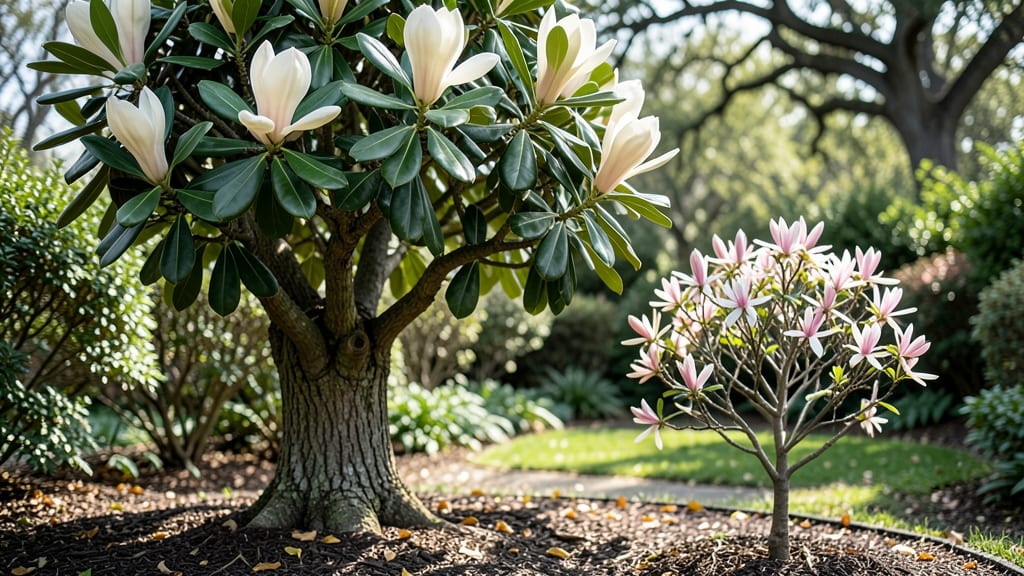
Magnolias bloom in North Carolina between late February and June 🌸, depending on the variety and your hardiness zone.
If you’ve ever dreamed of waking up to a canopy of fragrant magnolia blossoms, timing is everything—miss the bloom window, and you’ll be left admiring bare branches. But when exactly do these iconic trees burst into color, and how do NC’s diverse zones and varieties change the schedule?
Some varieties like Magnolia stellata (Star Magnolia) kick off the show as early as February, while others, such as Magnolia grandiflora (Southern Magnolia), hold out until May or June. The difference? It’s all about your zone—mountain regions in 6a may see blooms weeks earlier than coastal areas in 8a.
Below, I’ll break down the bloom schedule by variety, share how to coax earlier flowers, and reveal the secret to keeping your magnolias blooming year after year—no matter where you are in the state.
North Carolina Magnolia bloom schedule by variety: month-by-month guide
North Carolina’s magnolias are nature’s fireworks, but their bloom schedule depends heavily on the variety and your USDA hardiness zone.
While some varieties burst into bloom as early as late February, others wait until June—and that window can shift by weeks depending on whether you’re in the mountains (Zone 6b) or coastal plains (Zone 8a).
Let’s break down the peak bloom months for the most popular magnolia varieties in NC, so you know exactly when to expect those iconic, fragrant flowers.
I’ve spent years watching magnolias in my Asheville garden (Zone 7a), and I can tell you: timing is everything. A Southern Magnolia might bloom in May here, but in Wilmington (Zone 8a), it could push into June.
Meanwhile, Star Magnolias often steal the show in March, while Saucer Magnolias wait until April. Below, I’ve organized the schedule by variety, with notes on how NC’s microclimates can shift these dates.
🌱 Pro Tip: If you’re in Zone 6b (mountains), expect blooms to arrive 2-3 weeks earlier than in Zone 8a (coast). Urban areas with heat islands (like Raleigh or Charlotte) may also see slightly delayed blooms compared to rural spots.
If you’re planning your garden around magnolia blooms, March and April are the sweet spots for the earliest varieties like Star Magnolias and Yulan Magnolias. But don’t overlook May and June, when Southern Magnolias and Bigleaf Magnolias put on their grandest shows. In my Zone 7a garden
How NC hardiness zones (6b-8a) affect Magnolia bloom times
North Carolina’s diverse hardiness zones create a fascinating puzzle for magnolia lovers. A mountain magnolia in Asheville’s Zone 7a might burst into bloom by early April, while a coastal Southern magnolia in Wilmington’s Zone 8a could wait until late May.
These differences aren’t random—they’re shaped by temperature, elevation, and even urban heat pockets. Understanding these factors helps you predict—and even influence—when your magnolias will shine.
The key lies in how chilling requirements and heat accumulation trigger dormancy and flowering. Magnolias need a period of cold to break dormancy, but too much heat too soon can delay blooms.
In cooler Zone 6b areas like the Blue Ridge Mountains, trees often bloom earlier because they experience longer winter chilling. Meanwhile, milder Zone 8a coastal regions may see delayed blooms due to warmer winters and extended growing seasons.
Here’s how microclimates within NC further shift bloom dates:
| Factor | Zone 6b (Mountains) | Zone 7a (Piedmont) | Zone 8a (Coastal) |
|---|---|---|---|
| Average Winter Low | 10–15°F | 15–20°F | 25–30°F |
| Bloom Trigger Temp | 45–50°F for 3+ weeks | 50–55°F for 2+ weeks | 55–60°F for 1+ week |
| Typical Bloom Window | Late March–Early April | Mid-April–Early May | Late April–Mid-June |
| Microclimate Shift | Elevation delays blooms by 1–2 weeks | Urban heat advances blooms by 1 week | Coastal breezes extend season by 3+ weeks |
Take Magnolia grandiflora (Southern magnolia) as an example. In Zone 6b, it often blooms in early April, while in Zone 8a, the same tree might not peak until late May. This shift happens because warmer zones require more heat to “wake up” the tree’s flower buds.
Meanwhile, Magnolia stellata (Star magnolia), a cold-hardy variety, can bloom as early as February in the mountains but waits until March in coastal areas.
Urban areas add another layer of complexity. Cities like Raleigh (Zone 7b) can experience urban heat islands, where pavement and buildings trap heat, causing magnolias to bloom 1–2 weeks earlier than rural counterparts.
Conversely, high-elevation gardens in Zone 6b may see delayed blooms due to cooler nighttime temperatures. To adjust for these variations, monitor your local last frost dates and choose varieties suited to your microclimate.
If you’re planting magnolias, consider early bloomers like Magnolia × soulangeana for cooler zones or late-season varieties like Magnolia virginiana (Sweetbay) for warmer coastal areas. For the longest bloom season, mix varieties with staggered timing—some may reward you with flowers in spring, while others extend the show into early summer.
Have you noticed your magnolias blooming earlier or later than expected? Share your observations in the comments—local insights help us all predict these stunning floral displays! 🌸