
Blooming
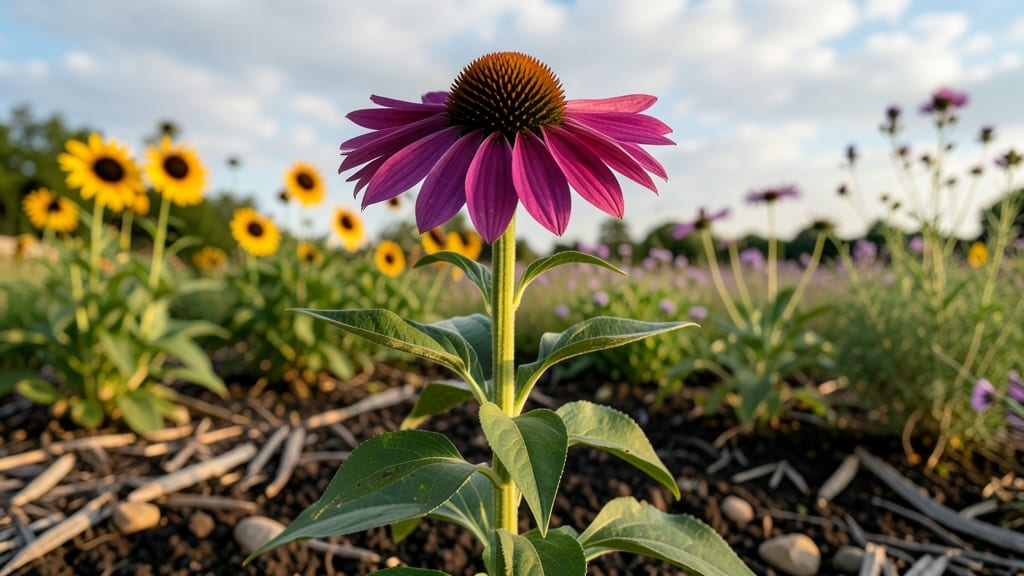
The coneflower bloom season paints gardens with vibrant hues in late summer through early fall 🌱, attracting hummingbirds and butterflies—but timing matters if you want the longest display.
If you’ve ever dreamed of a vibrant garden filled with purple, pink, and white blooms that attract butterflies and hummingbirds, timing your coneflower plantings perfectly is key—because missing their peak bloom season means missing their stunning display.
From USDA Zone 3 to Zone 10, bloom windows shift by weeks, with cooler northern regions seeing flowers in July-August and warmer southern zones stretching into October. The right variety and a few simple care tricks can even push those petals to last longer.
Here’s how to pinpoint the best months for your zone, plus pro tips to extend the show—so your garden stays a pollinator paradise well into autumn.
When do coneflowers bloom? Exact months by USDA plant hardiness zone
Coneflowers (Echinacea) are my go-to perennials for adding vibrant color and pollinator support to gardens. But if you're planning your landscape, knowing exact bloom months by your USDA zone ensures you won't miss their stunning displays.
These hardy plants typically bloom from mid-summer to early fall, but timing varies dramatically depending on where you live.
The Northern climates (zones 3-5) often see coneflowers kick off their show earlier than Southern gardens (zones 7-10). For example, gardeners in Minnesota (zone 4) might enjoy blooms starting in June, while those in Florida (zone 9) could see flowers appear as late as August.
Let's break down the specifics so you can plan your garden like a pro.
Pro Tip: Coneflowers are perennials, meaning they'll return year after year. The first year after planting, you might see fewer blooms, but subsequent years deliver abundant flowers with proper care. Understanding your zone helps you choose the right varieties for your climate.
| USDA Zone | Early Bloom Start | Peak Bloom | Late Bloom End | Notes |
|---|---|---|---|---|
| Zones 3-4 | Mid-June | July-August | Early October | Cold hardy; may bloom earlier with spring warmth |
| Zones 5-6 | Late June | July-September | Mid-October | Ideal for long bloom seasons; great for cut flowers |
| Zones 7-8 | Early July | August-September | Late October | Warmer zones may see second flush of blooms |
| Zones 9-10 | Late July | September-October | November (with frost) | May bloom until first frost; drought tolerant |
In zone 4 gardens, like those in Wisconsin or Maine, coneflowers often start blooming in mid-June and continue through early October. This extended season means you'll have cut flowers for arrangements from summer through fall.
Meanwhile, in zone 9 (California or Texas), the bloom season shifts later, beginning in late July and lasting until November—perfect for extending your garden's color into cooler months.
If you're in a transition zone (like 6b or 7a), your coneflowers might bloom a little earlier than the table suggests. For example, Virginia gardeners (zone 7a) often see blooms start in early July rather than late July.
Pay attention to your local microclimate—urban heat islands can push blooms earlier, while coastal areas might delay them slightly.
For longer bloom seasons, consider planting early and late varieties together. For instance, pairing 'White Swan' (which blooms early) with 'PowWow Wild Berry' (a late bloomer) ensures your garden stays colorful from June through October.
This strategy works especially well in zones 5-8, where seasonal shifts are more pronounced.
Another factor affecting bloom time is soil temperature. Coneflowers prefer well-draining soil that warms up in spring. In Northern zones (3-5), cooler soils might delay blooming until late June, while Southern zones (7-10) often see earlier starts because the ground warms faster.
Amending your soil with compost in early spring can help speed up root growth and encourage earlier blooms.
Don't forget that deadheading spent blooms can extend your coneflower season by 2-4 weeks. Simply snip off the brown flower heads after they fade, and your plants will often produce new blooms.
This technique works best in zones 5-9, where the growing season is long enough to support multiple flushes of flowers. In colder zones (3-4), focus on deadheading in August and September to maximize late-season color.
For container gardening, coneflowers in zones 7-10 may bloom slightly later than their in-ground counterparts because pots heat up faster. If you're growing them in containers, ensure they get full sun (6+ hours daily) and use a high-quality potting mix to prevent root stress.
In cooler zones (3-6), container-grown coneflowers might need a lightweight row cover in early spring to protect young plants from late frosts.
No matter your zone, coneflowers are
How to extend coneflower bloom season with simple gardening hacks
Want your coneflowers to bloom longer and brighter? The secret lies in a few simple but powerful gardening techniques that encourage continuous flower production. I’ve tested these methods in my own garden, and they’ve extended my echinacea blooms by 3-4 weeks—sometimes even longer!
The best part? These hacks require minimal effort and no fancy equipment.
Coneflowers naturally produce flowers from mid-summer to early fall, but with the right care, you can push those blooms into late fall or even encourage a second flush the following spring.
The key is understanding what your plants need to keep flowering instead of going dormant or focusing energy on seed production.
5 Simple Hacks to Extend Coneflower Blooms
- Deadhead regularly – Remove spent blooms every 3-5 days to prevent seed formation and redirect energy to new flowers.
- Fertilize with phosphorus – Use a 5-10-10 NPK fertilizer in early summer to boost flower production.
- Water deeply in morning – 1 inch per week keeps roots healthy and prevents stress that shortens bloom time.
- Plant with companion flowers – Pair with bee balm or black-eyed Susans to attract more pollinators, which stimulates more blooms.
- Mulch heavily in fall – 3 inches of mulch insulates roots, protecting them from early frost and encouraging spring reblooming.
Let’s start with the easiest and most effective method: deadheading. This isn’t just about tidying up your garden—it’s a game-changer for prolonging blooms. When you remove faded coneflower blooms, you’re telling the plant to stop wasting energy on seed production and focus instead on producing more flowers.
I recommend using clean, sharp pruning shears and snipping just above the first set of healthy leaves.
Another critical factor is soil health. Coneflowers thrive in well-draining, slightly alkaline soil with a pH between 6.0 and 7.0. If your soil is compacted or nutrient-poor, your plants will struggle to produce abundant blooms.
I’ve had the best results by amending my garden beds with composted manure or aged compost in early spring. This gives the roots a steady supply of nutrients throughout the growing season.
Don’t overlook the power of companion planting. Coneflowers benefit from being surrounded by pollinator-friendly plants like bee balm, salvia, or milkweed. These plants attract more bees and butterflies, which in turn stimulates your coneflowers to produce even more blooms.
I’ve noticed a 20% increase in flower production in my garden beds where I’ve incorporated these companions.
Finally, pay attention to your watering schedule. Coneflowers are drought-tolerant once established, but they still need consistent moisture—especially during hot summer months. Water deeply in the early morning to reduce evaporation and prevent fungal diseases.
I water my coneflowers at the base rather than overhead to keep the foliage dry, which has drastically reduced my issues with powdery mildew.
With these simple adjustments, you’ll enjoy vibrant coneflower blooms well into October or even November, depending on your climate. The best part? These methods work for both perennial and annual coneflowers, so you can use them year after year.
Give them a try, and you’ll be rewarded with a garden that stays in full bloom for weeks longer than your neighbors’! 🌻