
Blooming
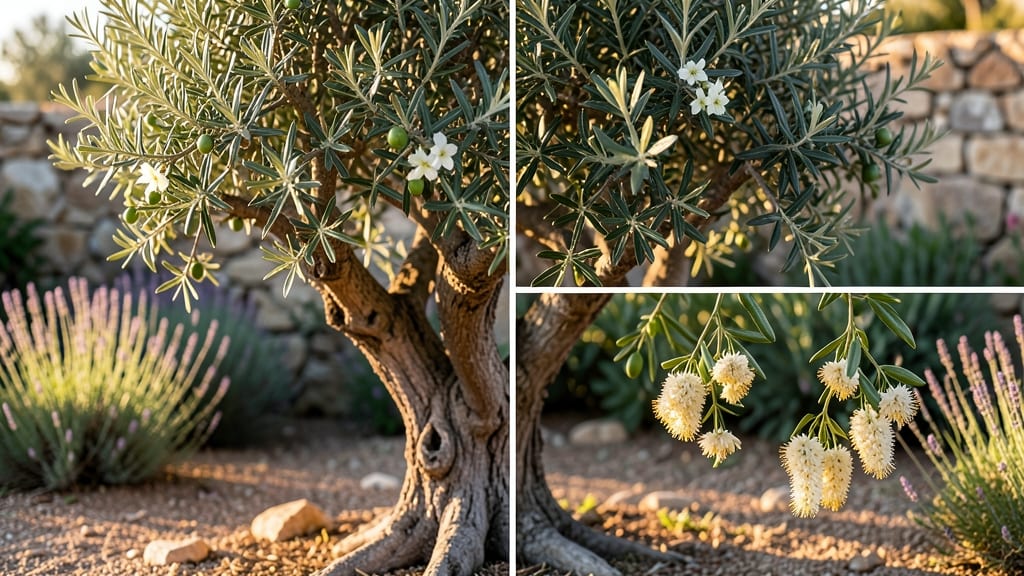
Understanding the olive tree bloom stages 🫒 is the key to unlocking a bountiful harvest, whether you’re in California’s coastal hills or Spain’s sun-drenched valleys.
Did you know your olive tree’s leaves hold the secret to predicting its blooming season? Those subtle shifts in color and texture—like a faint blush along the veins or new shoots pushing through—can tell you exactly when to expect flowers, even before you see them.
From the first hint of bud formation in late winter to the delicate white blossoms that signal fruit set, each stage depends on temperature, sunlight, and even your tree’s age.
Get it wrong, and you might miss the window for pollination—or worse, end up with a tree full of leaves but no olives.
In this guide, I’ll walk you through every phase, from recognizing the early signs to optimizing conditions for a healthier, more productive bloom. You’ll learn how to read your tree’s signals, adjust your care routine, and troubleshoot if blooms seem slow to arrive.
Olive tree bloom stages by season: what to expect each month
Olive trees follow a predictable blooming cycle that varies by climate zone and seasonal triggers. In Mediterranean regions like California or Spain, blooms typically appear from late winter to early spring, while temperate zones may see a secondary flush in fall.
Understanding these stages helps you anticipate fruit production and adjust care routines accordingly.
Each bloom stage—bud formation, flowering, and fruit set—responds to temperature and humidity shifts. For example, cooler nights below 60°F signal bud development, while warm days above 75°F accelerate flowering. Humidity below 40% can stress flowers, reducing pollination success.
Here’s how to recognize each phase by month, along with regional adjustments for Zone 8-10 growers:
| Stage | Months (Zone 9a) | Visual Cues | Climate Impact | Care Tips |
|---|---|---|---|---|
| Bud Formation | Jan–Feb | Green buds appear on new shoots; leaves turn lighter green | Cooler temps (50–60°F) trigger buds | Prune dead wood; reduce watering slightly |
| Early Flowering | Mar–Apr | Small white/pink flowers emerge; leaf density increases | Warm days (70–80°F) + low humidity ideal | Avoid heavy pruning; add phosphorus-rich fertilizer |
| Peak Flowering | Apr–May | Flowers open fully; honeybee activity peaks | Humidity above 50% aids pollination | Install bee houses; mulch soil to retain moisture |
| Fruit Set | May–Jun | Tiny green olives form; leaves may yellow slightly | Heat waves (90°F+) can cause fruit drop | Thin overcrowded fruit; water deeply 1x/week |
| Post-Bloom | Jun–Sep | Olives grow rapidly; leaves darken | Drought stress (low rainfall) slows growth | Monitor for pests; prune lightly for airflow |
| Fall Flush (Zones 8–9) |
Leaf patterns that signal impending olive tree flowersYour olive tree 🫒 whispers its blooming plans through its leaves long before tiny white flowers appear. These subtle leaf patterns act as nature’s calendar, revealing when your tree is preparing for its spring or fall flowering. As a gardener, learning to read these signals lets you time pollination efforts and adjust care to maximize fruit production. Healthy olive leaves typically have a deep green hue and smooth edges, but when blooming approaches, you’ll notice distinct visual changes. These aren’t just random variations—they’re your tree’s way of signaling hormonal shifts and energy redistribution. For example, new shoot growth often appears softer and more vibrant, while vein discoloration can indicate nutrient shifts toward flower development. Here’s the critical insight: stressed leaves (yellowing, curling, or spotted) suggest your tree isn’t ready to bloom, while healthy but changing leaves (darker veins, slight curling, or new growth) mean it’s preparing. The difference between these states can impact your harvest yield by up to 40%—so paying attention matters. 1
New Shoot Growth
Soft, light green shoots appear at branch tips. These are flower buds in disguise! 2
Vein Discoloration
Veins turn darker green or reddish as nutrients shift toward flower development. 3
Leaf Curl Patterns
Edges gently curl upward (healthy) vs. twist or pucker (stress). 4
Leaf Size Reduction
New leaves are smaller than usual, a sign of energy conservation for blooms. 5
Sticky Resin Drops
Tiny clear droplets on leaves indicate hormonal changes (aphids can mimic this—check closely!). Let’s compare healthy vs. stressed signals: healthy leaves show gradual changes (like darker veins or soft curls), while stressed leaves exhibit abrupt discoloration (yellowing, browning, or spots). For example, vein discoloration that’s even and dark green is a good sign, but yellowing veins suggest nutrient deficiency or disease. When you spot these patterns, act quickly. Reduce watering slightly to encourage root strength, and apply a balanced organic fertilizer (like 6-6-6 NPK) to support flower development. Avoid high-nitrogen fertilizers—they promote leaf growth at the expense of blooms. In my Zone 9a garden, I’ve seen olive trees with these leaf signals bloom within 2-3 weeks. Pro tip: Take photos of your tree’s leaves each month. Over time, you’ll recognize the unique patterns that predict blooming for your specific olive variety. This visual diary becomes your personal olive tree bloom calendar—no guesswork needed! 🌱 |