
Blooming
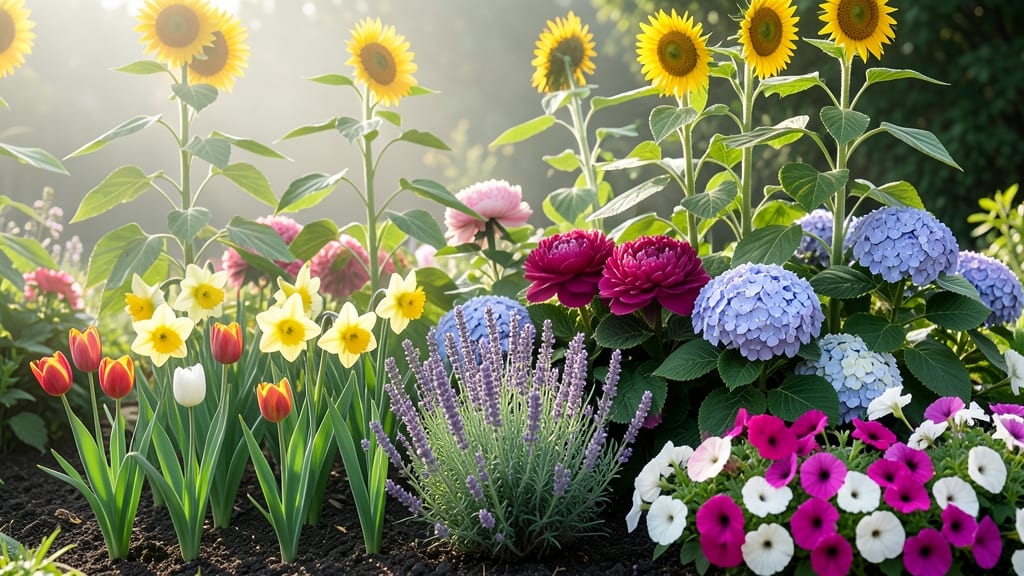
Planning your garden around a flower bloom time chart turns a chaotic mess of wilting stems into a showstopping display that lasts all year. 🌸 I’ve spent years tracking when my favorite flowers pop color, and the secret to a garden that never looks bare is knowing which varieties play together in each season.
The chart breaks down everything from early spring crocuses to late-fall chrysanthemums, with notes on how climate zones shift timelines—like how tulips bloom weeks earlier in Zone 5 than in Zone 8. You’ll spot gaps in your seasonal color palette and fill them with the perfect follow-up flowers.
What you’ll end up with is a garden that feels like a living calendar: purple hyacinths in March, pink peonies in June, golden asters in September. The key is layering plants so one fades just as another takes over, keeping your yard vibrant from frost to frost.
This isn’t just about pretty pictures—it’s about saving time, reducing deadheading, and creating a space that thrives with minimal effort. Let’s get your seasonal lineup planned!
📚 In This Guide
- What you need
- Instructions
- Tips and common mistakes
- Wrapping up and next steps
What you need
- ● Notebook or journal (or digital tool like Google Sheets/Excel) – 1 per user
- ○ Printed bloom time references (optional but helpful) – 1-2 sources (e.g., USDA Plant Hardiness Zone Guide, local nursery guides)
- ● Colored pencils or markers – 3-5 colors for easy categorization (e.g., pink=spring, blue=summer)
- ● Ruler or measuring tape – 1 (for precise chart layouts)
- ○ Laminator + laminating sheets (optional) – 1 pack (to protect outdoor charts)
- ● Smartphone/tablet – For digital tracking apps (e.g., Gardenate, iNaturalist)
- ● Clipboard + outdoor-friendly pen – For field notes in the garden
- ● Plant labels or tags – 10-20 (if labeling specific flowers)
- ● Weather-resistant chart holder – For outdoor displays
- ● Basic knowledge of USDA Hardiness Zones (or your local climate zone)
- ● Access to bloom time data (online databases, local botanical gardens, or seed packets)
- ● Time commitment: 10-15 minutes daily for consistent tracking
How to plan your garden using a flower bloom time chart
Here's how I turn seasonal bloom charts into a garden that stays colorful all year.
🌿 Step 1: Group Flowers by Seasonal Overlap
Start by organizing your flowers into four seasonal groups: early spring, late spring, summer, and fall. Early bloomers like crocus and hellebore need cool soil to wake up, while late spring daffodils handle frost better once established. I always cross-reference my chart with local frost dates—planting tulips too early means they'll bloom before the last frost and get damaged.
Look for flowers with staggered bloom times within each season. For example, pairing early bearded iris with late spring peonies ensures continuous color. The chart shows when each variety typically opens, but I adjust by 1-2 weeks based on my microclimate. A north-facing bed stays cooler, so I plant heat-lovers like zinnias slightly later than the chart suggests.
☀️ Step 2: Map Sun Exposure Requirements
Every flower has specific light needs, and the bloom chart often includes this data. Full-sun flowers like daylilies and coneflowers need at least 6 hours of direct sunlight, while shade-tolerant varieties like astilbe and hosta thrive with just 3-4 hours. I sketch my garden beds first, marking where sun hits at different times of day.
Here's my trick: I use the bloom chart to group sun-lovers together in the south-facing beds and shade plants in north-facing spots. For example, black-eyed Susans (full sun) and purple coneflowers go in the hot afternoon sun, while lungwort and foamflower get morning light and afternoon shade. This prevents leggy growth or flowers that refuse to open.
📅 Step 3: Layer by Height and Bloom Sequence
Now it's time to arrange flowers by height and bloom time. Tall flowers like delphiniums and hollyhocks go in the back, medium-height like phlox and salvia in the middle, and low-growing like ajuga and creeping thyme in the front. The bloom chart helps me see which flowers will fill in gaps as others fade.
I like to create "waves" of color by planting early bloomers in front and later bloomers behind them. For instance, early spring crocuses pop up first, followed by tulips, then alliums in late spring. This way, as one flower finishes, another takes over. The chart shows peak bloom times, but I always add a few extra weeks on either side to account for weather variations.
💧 Step 4: Schedule Watering and Maintenance
The bloom chart also helps me plan watering and care. Newly planted flowers need consistent moisture to establish roots, especially during their first bloom cycle. I mark the chart with watering reminders for drought-sensitive varieties like lavender and catmint, which need 1 inch of water per week once established.
Deadheading spent blooms extends the season for many flowers. The chart shows which varieties benefit from regular deadheading (like zinnias and marigolds) and which ones self-clean (like coneflowers and black-eyed Susans). I also note when to fertilize—most spring bloomers get a light feeding in early spring, while summer and fall flowers respond better to mid-season feeding.
⏰ Step 5: Plan for Year-Round Interest
Finally, I use the chart to ensure my garden has something blooming in every season. Evergreens like boxwood and hemlock provide winter structure, while early spring bulbs like snowdrops and winter aconites add color before summer flowers take over. Summer and fall flowers like rudbeckia and chrysanthemums keep things lively until frost.
Don't forget to include flowers that attract pollinators year-round, like lavender and bee balm. The bloom chart helps me see which varieties overlap in bloom time, ensuring my garden stays buzzing with activity. I also make notes for next year's adjustments—like adding more late-summer bloomers if my garden looks bare in August.
Tips & tricks for perfect seasonal garden planning
These practical strategies will help you create a vibrant garden that stays colorful all season long.
Microclimate Adjustments: The 1-2 week adjustments you make based on your microclimate can make all the difference. For example, in my zone 5 garden, I plant heat-loving zinnias about 10 days later than the chart suggests for my south-facing beds. Use a small thermometer to track your garden's temperature variations—this helps fine-tune your planting schedule beyond just the general chart recommendations.
Sunlight Mapping: When mapping your sun exposure in Step 2, I recommend using a simple app like Sun Surveyor to track sunlight patterns in your specific yard. This helps identify those tricky spots that get morning sun but afternoon shade. Mark these areas clearly on your garden plan—it's where shade-tolerant varieties like astilbe will thrive while full-sun plants like coneflowers might struggle.
Color Wave Planning: For creating those beautiful color waves in Step 3, I suggest making a simple timeline chart. List your flowers vertically by bloom time and color horizontally. This visual helps you spot gaps where you might need to add more early or late-season bloomers. I always aim for at least three different colors in each seasonal group to create visual interest.
Pollinator-Friendly Additions: While not required, consider adding pollinator magnets like bee balm or lavender to your plan. These plants often have extended bloom times and attract beneficial insects. I like to place them near the center of my garden beds where they'll be most visible and accessible to pollinators throughout the growing season.
Pro Tips for Flower Bloom Time Chart
- These practical strategies will help you create a vibrant garden that stays colorful all season long.
- Microclimate Adjustments: The 1-2 week adjustments you make based on your microclimate can make all the difference.
- Sunlight Mapping: When mapping your sun exposure in Step 2, I recommend using a simple app like Sun Surveyor to track sunlight patterns in your specific yard.
Frequently asked questions
Got questions about when your favorite flowers bloom? You’re not alone! Here are some of the most common queries—and their answers—to help you plan your garden like a pro.
When is the best time to plant flowers based on their bloom time?
Planting timing depends on your climate and flower type. Cool-season bloomers (like tulips or pansies) thrive when planted in early fall for spring blooms, while warm-season flowers (such as zinnias or marigolds) should go in after the last frost. Check your local frost dates and match them to your flower’s chart for success!
Why isn’t my flower blooming when the chart says it should?
Several factors can delay blooms: insufficient sunlight, poor soil nutrition, or overwatering (which can stunt growth). Deadhead spent blooms regularly, and ensure your plant gets the right amount of water and fertilizer. If issues persist, check for pests or diseases—sometimes a little TLC is all it takes!
Do bloom times vary by region or climate zone?
A flower’s bloom time in Zone 5 (colder climates) may differ from Zone 9 (warmer areas). For example, peonies bloom in late spring in cooler zones but might flower earlier in the South. Always adjust your expectations based on your USDA Hardiness Zone and local weather patterns.
Can I force flowers to bloom earlier or later than their natural time?
Some flowers can be coaxed into blooming out of season with light manipulation (like grow lights for indoor plants) or temperature control (e.g., chilling bulbs for early spring blooms). However, forcing blooms often shortens their lifespan or reduces vigor. For best results, stick to the natural bloom time chart and enjoy the show when it’s meant to happen!
What are some low-maintenance flowers with predictable bloom times?
If you’re short on time but love color, try these reliable picks:
- Lavender: Blooms mid-to-late summer, drought-tolerant, and fragrant.
- Black-eyed Susans: Cheerful yellow blooms from summer to fall; thrives in full sun.
- Daylilies: Blooms repeatedly from early summer to frost with minimal care.
- Russian Sage: Purple spikes bloom in late summer, loves heat and neglect.
Wrapping up and next steps
Understanding your garden’s flower bloom time chart is the first step to creating a vibrant, year-round display! Whether you’re planning a seasonal garden or simply admiring nature’s beauty, knowing when each flower blooms helps you anticipate and enjoy their fleeting moments. 🌸
Now that you’re equipped with timelines and tips, why not take action? Start sketching your dream garden layout, or visit a local nursery with your bloom chart in hand—you’ll be amazed at how prepared and excited you feel! Happy gardening! 🌿