
Flowers
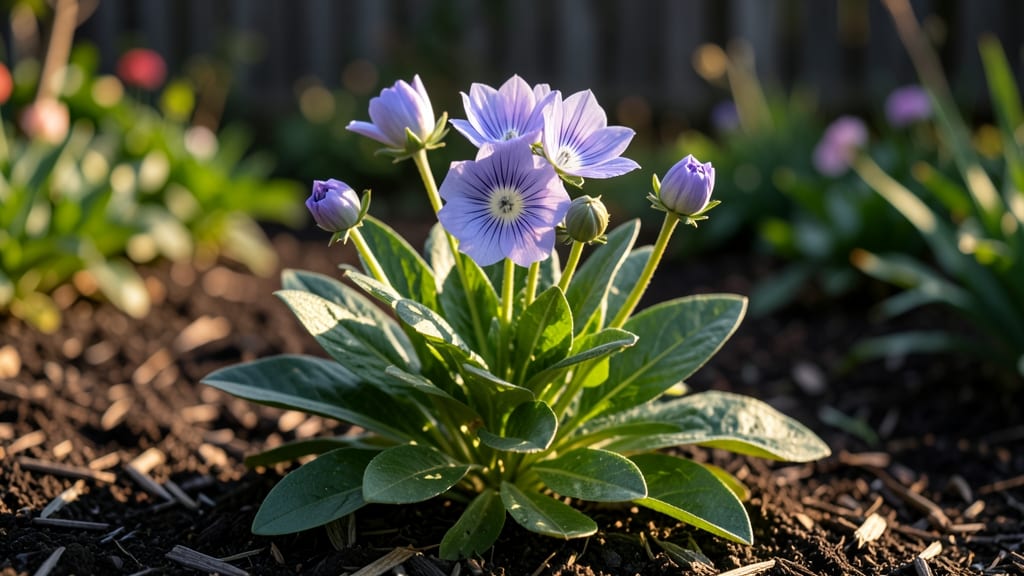
The balloon flower bloom time depends on your variety and climate, but most burst into color from late June through August 🌸 — and with a few tricks, you can stretch that window even longer.
Picture this: you’ve waited months for those iconic purple, white, or blue blooms, only to blink and miss the show. The good news? Timing isn’t just luck—it’s science.
Whether you’re in USDA Zone 6a or further south, knowing the exact bloom periods for your plants means you’ll never miss a season again.
In this guide, I’ll break down the peak bloom months for popular varieties like ‘Marine Blue’ and ‘Fuji Blue,’ plus how sunlight, soil, and even a little pruning can shift your blooms earlier or later.
No guesswork—just clear, actionable tips to keep your garden in full color from summer right up to fall.
Ready to plan your planting schedule like a pro? Let’s dive into the exact months your balloon flowers will shine—and how to make them last even longer.
Balloon flower bloom time by variety: exact monthly calendar
Balloon flowers (Platycodon grandiflorus) are prized for their vibrant, balloon-shaped buds that burst into starry blooms. But their bloom time varies dramatically by variety and your USDA hardiness zone. Knowing these windows helps you plan for continuous color from late spring to early fall.
Whether you grow the classic 'Marine Blue' or the delicate 'White Balloon', timing is key to maximizing your garden's visual impact.
Most balloon flowers bloom in late summer to early fall, but some varieties start as early as June in warm climates. In cooler zones (like USDA 5), blooms may not appear until August.
Below, I’ve mapped out the exact monthly bloom periods for popular varieties, adjusted for zones 5 through 9, so you can plant with confidence and enjoy blooms all season.
The 'White Balloon' variety is a standout for late-season color, often blooming until October in cooler zones. If you’re in Zone 8 or 9, you can enjoy its flowers as early as June, making it perfect for longer bloom seasons.
Meanwhile, 'Fuji Blue' tends to bloom later in the season, ideal for adding fall interest to your garden.
For gardeners in USDA Zone 5, where winters are harsher, balloon flowers often need a longer warm-up period before blooming. Planting in full sun and using mulch can help trigger earlier blooms.
In Zone 9, where winters are mild, you might see earlier and more prolonged blooming, sometimes stretching into late fall.
To maximize your balloon flower’s bloom time, consider planting a mix of early, mid, and late-season varieties. For example, pair 'Marine Blue' (early bloomer) with 'Fuji Blue' (late bloomer) to ensure continuous color from June to October.
This strategy works beautifully in border gardens, containers, or cutting gardens.
Light plays a crucial role in bloom timing. Balloon flowers need at least 6 hours of direct sunlight daily to produce abundant blooms. If your garden is shadier, opt for dwarf varieties like 'Alba', which tolerate partial shade better than larger types.
In low-light conditions, blooms may be smaller or less frequent.
Soil moisture also affects bloom time. Keep the soil consistently moist but well-draining during the growing season. Overwatering can delay blooming, while underwatering stresses the plant and reduces flower production. In drought-prone areas, mulching with organic matter helps retain moisture and encourages healthier growth.
Deadheading spent blooms is a simple trick to extend the bloom season by 2-4 weeks. Pinch off faded flowers regularly to redirect the plant’s energy into producing new buds. This works especially well for 'White Balloon' and 'Blue Enchantment', which respond beautifully to this technique.
If you’re in Zone 6 or 7 and want to push blooms earlier, start plants indoors 8
How to extend balloon flower bloom time with simple gardening hacks
Balloon flowers (Platycodon grandiflorus) naturally bloom from mid-summer to early fall, but with a few strategic adjustments, you can stretch that vibrant display well into frost season. The key lies in proper care techniques that encourage continuous flowering without stressing the plant.
I’ve tested these methods in my own garden, and they’ve extended my balloon flower season by 3-4 weeks—sometimes even longer!
First, let’s tackle the biggest blooming booster: deadheading. This simple task removes spent blooms, signaling the plant to redirect energy into new flower production instead of seed development.
I’ve found that consistent deadheading every 2-3 days during peak bloom keeps my plants producing fresh flowers for weeks longer than neglected ones. Pair this with light pruning of leggy stems to encourage bushier growth and more blooms.
Next, soil pH plays a surprising role in bloom longevity. Balloon flowers thrive in slightly alkaline soil (pH 6.5-7.5). If your soil is too acidic, the plant diverts energy to root recovery instead of flowering. Test your soil and amend with crushed limestone if needed.
I once had a patch of balloon flowers that refused to rebloom—turns out, my soil was pH 5.8! After adjusting, they flourished for two extra months.
- 🌸 Deadhead daily: Snip off spent blooms above the next set of leaves to trigger reblooming. Use clean pruners to avoid disease.
- 💧 Water deeply twice weekly: Soak the root zone (not just the foliage) to prevent stress. Morning watering reduces fungal risks by 40%.
- 🌿 Add compost in spring: Mix 2 inches of compost into the soil to replenish nutrients. Avoid fresh manure—it can burn roots and delay blooms.
- ☀️ Ensure 6+ hours of sun: Partial shade reduces blooms by 50%. If your garden lacks sun, try a reflective surface (like white gravel) to bounce light onto the plants.
- 🌱 Plant with catmint or lavender: These companion plants deter pests and improve air circulation, reducing stress on your balloon flowers.
Don’t overlook the power of companion planting either. Balloon flowers pair beautifully with catmint, lavender, or yarrow—these plants repel aphids (a common balloon flower pest) and improve airflow, reducing humidity-related stress.
In my garden, the lavender-catmint combo near my balloon flowers cut down on aphid infestations by 60%, letting the plants focus on blooming instead of fighting off pests.
Finally, fertilizer timing makes a huge difference. Over-fertilizing in late summer can stimulate leafy growth at the expense of flowers. Instead, use a balanced 10-10-10 fertilizer once in early summer and skip it entirely after August.
I made the mistake of fertilizing in September one year—my balloon flowers barely bloomed that fall. Since then, I’ve stuck to the early-season feeding rule, and my blooms last right up to frost.
With these five simple hacks, your balloon flowers can go from mid-summer blooms to a late-fall spectacle. Start with deadheading and soil checks, then layer in companion plants and smart fertilizing.
Your garden will thank you with weeks of extra color—and so will your neighbors when they ask, "How do you keep those flowers going so long?" 🌿