
Blooming
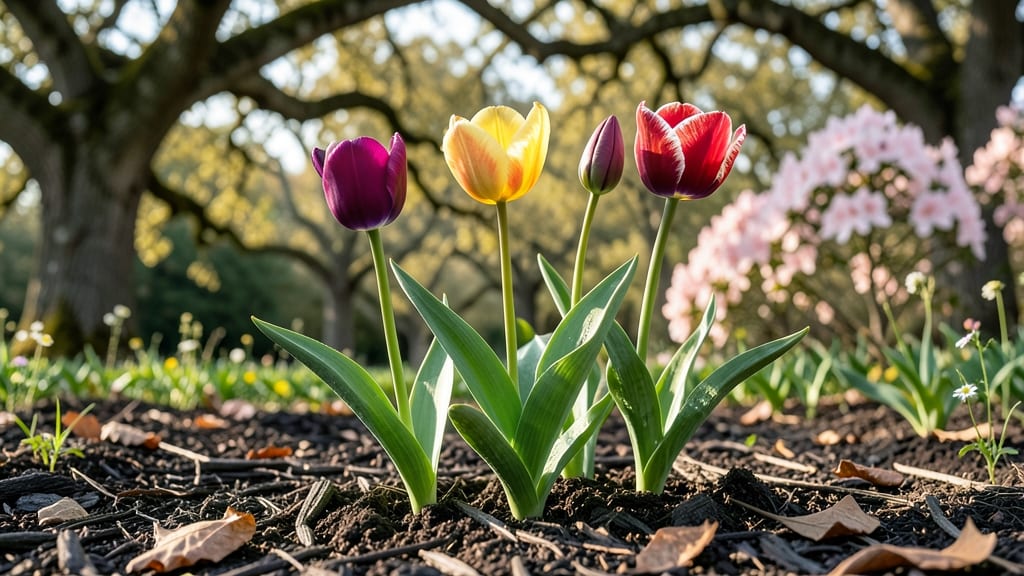
Tulips in Georgia bloom between late February and early April, with most varieties reaching their peak in March—just in time to brighten up those chilly spring days 🌷.
Georgia gardeners know the thrill of spring—but timing tulip blooms right can mean the difference between vibrant displays and missed opportunities. With frost zones ranging from 7a to 8b, knowing exactly when tulips pop in your area ensures you plant at the perfect moment.
The exact bloom window depends on your location and variety. In colder 7b zones, tulips often start blooming in late February, while those in warmer 8b areas might not peak until early April. Microclimates, like valleys or urban heat pockets, can also shift bloom times by weeks.
Below, I’ll break down the best varieties for Georgia’s climate, how to extend their bloom time, and the care tweaks that keep them thriving through spring’s unpredictable shifts.
Tulip bloom timing in Georgia by frost Zone (7a vs 8b)
Georgia's frost zones 7a and 8b create dramatic differences in tulip bloom timing, sometimes shifting peak seasons by 3-4 weeks. In colder Zone 7a (northwest GA), tulips often bloom 2-3 weeks later than in milder Zone 8b (southern GA).
Understanding these variations helps you select varieties that align with your local climate and extend your spring color show.
Microclimates and elevation further complicate timing—mountain gardens (3,000+ feet) may see blooms delayed by 1-2 weeks compared to valley areas. Meanwhile, urban heat islands can push early bloomers to emerge 10 days sooner than rural counterparts.
These factors make precise planning essential for Georgia gardeners chasing that perfect spring display.
Early bloomers like 'Early Harvest' and 'White Dream' typically appear in late February to early March in Zone 8b but wait until mid-March in Zone 7a. Mid-season varieties such as 'Queen of Night' and 'Darwin Hybrid' follow 2-3 weeks later, while late bloomers like 'Fosteriana' and 'Parrot tulips' may not peak until late April in cooler zones.
Here’s how Georgia’s frost zones influence tulip bloom windows:
| Frost Zone | Early Bloomers (Feb-Mar) | Mid-Season (Mar-Apr) | Late Bloomers (Apr-May) | Key Varieties |
|---|---|---|---|---|
| Zone 8b (South GA) | Late Feb - Early Mar | Mid-Mar - Early Apr | Late Apr - Early May | 'Early Harvest', 'White Dream', 'Apeldoorn' |
| Zone 7a (North GA) | Mid-Mar - Late Mar | Late Mar - Mid-Apr | Early May | 'Queen of Night', 'Darwin Hybrid', 'Fosteriana' |
| Mountain Microclimates | 1-2 weeks later | 1-2 weeks later | 1-2 weeks later | 'Parrot tulips', 'Kaufmanniana' |
In Zone 8b, where winters are milder, tulips often begin pushing through the soil as early as late January in sheltered microclimates. This early start allows gardeners to enjoy 6-8 weeks of continuous blooms if they mix early, mid, and late varieties.
For example, planting 'Early Harvest' alongside 'Queen of Night' creates a seamless transition from February through April.
Conversely, Zone 7a gardeners should plan for a 3-week delay in bloom timing. The later arrival of spring means tulips may not peak until mid-April, but the cooler temperatures also preserve blooms longer, reducing the risk of heat stress.
Choosing Darwin Hybrid tulips, known for their robust stems and disease resistance, is a smart strategy for this zone.
Elevation plays a surprising role in Georgia’s tulip gardens. Gardens above 2,000 feet in the Blue Ridge Mountains often experience blooms 10-14 days later than those in the Atlanta metro area.
This shift occurs because cooler nighttime temperatures slow bulb development. To compensate, high-elevation gardeners can plant bulbs 2-3 weeks earlier in fall to give roots extra time to establish.
For gardeners in transition zones (e.g., Zone 7b), blending varieties from both 7a and 8b lists creates a longer bloom season. Start with early bloomers like 'White Dream' in October, followed by mid-season 'Darwin Hybrids' in November, and finish with late bloomers like 'Fosteriana' in December.
This staggered approach ensures color from February through May, regardless of frost zone.
One common mistake Georgia gardeners make is assuming all tulips bloom at the same time. In reality, temperature fluctuations can push early varieties to open 10 days sooner in warm winters, while late bloomers may struggle to emerge if spring arrives abruptly.
To mitigate this, mulch heavily in fall with 4-6 inches of straw or leaves to insulate bulbs and promote steady growth.
Pro tip: Use color-coded planting to track bloom times. For instance, mark early bloomers with red flags, mid-season with yellow, and late bloomers with blue.
This visual system helps you monitor progress and adjust care as needed. Pair this with a bloom calendar noting your local frost dates for even more precision.
🌷
Best tulip varieties for Georgia’s spring climate (early to late bloomers)
Georgia’s short but vibrant spring means tulips need to bloom at just the right time to avoid late frosts or fading heat. The key is selecting hardy cultivars that thrive in USDA Zones 7a-8b, with early bloomers for cooler north Georgia and late varieties for warmer southern regions.
I’ve curated a list of top-performing tulips that align with Georgia’s March–April bloom window, ensuring your garden stays colorful from early spring to late spring.
For early bloomers, focus on varieties that push through Georgia’s occasional March frosts while still delivering bold color.
These include ‘Early Harvest’ and ‘Ice Follies’, which often open as early as late February in Zone 8b. Meanwhile, late-season varieties like ‘Queen of Night’ and ‘Purple Prince’ extend the show into mid-April, perfect for southern Georgia’s milder climate.
- ‘Early Harvest’ – White with yellow edges, 12–18" tall, Zone 4–8. Thrives in full sun and well-draining soil; ideal for north Georgia.
- ‘Ice Follies’ – Pure white with frilly petals, 14–16" tall, Zone 3–8. Frost-resistant and disease-tolerant; perfect for early spring displays.
- ‘Red Emperor’ – Deep red with golden edges, 20–24" tall, Zone 4–8. Long stems make it great for cut flowers.
- ‘Apeldoorn’ – Classic red with yellow base, 20–24" tall, Zone 3–8. Reliable bloomer and great for borders.
- ‘Pink Impression’ – Soft pink with white edges, 18–22" tall, Zone 4–8. Fragrant and long-lasting.
- ‘Parrot Tulip’ (e.g., ‘Black Parrot’) – Exotic striped colors, 18–24" tall, Zone 6–8. Needs staking; best in containers.
- ‘Queen of Night’ – Deep purple-black, 24–28" tall, Zone 4–8. Dramatic color for late-season impact.
- ‘Purple Prince’ – Rich purple with white base, 20–24" tall, Zone 4–8. Long vase life.
- ‘Darwin Hybrid’ (e.g., ‘Exotic Beauty’) – Pink with red edges, 24–28" tall, Zone 4–8. Strong stems and great for cut flowers.
When selecting varieties, prioritize disease-resistant types like Darwin Hybrids or Fosteriana tulips to combat Georgia’s humid conditions. Plant bulbs in October–November, 6–8 inches deep and 4–6 inches apart, in well-draining soil with compost added for extra nutrients.
Mulch with 2–3 inches of organic mulch after planting to insulate roots during winter.
For longer bloom seasons, mix early, mid, and late varieties in the same bed. This creates a staggered display from late February to mid-April, ensuring your garden stays vibrant as Georgia’s spring transitions into summer.
After blooming, leave foliage until yellow to feed the bulbs for next year’s flowers.
Pro tip: Group tulips by height and color for a cohesive look. Place taller varieties (24+") at the back of borders and shorter ones (12–18") near pathways. In Zone 8b, you can even try fall-planted tulips like ‘Christmas Dream’ for a holiday surprise!