
Blooming
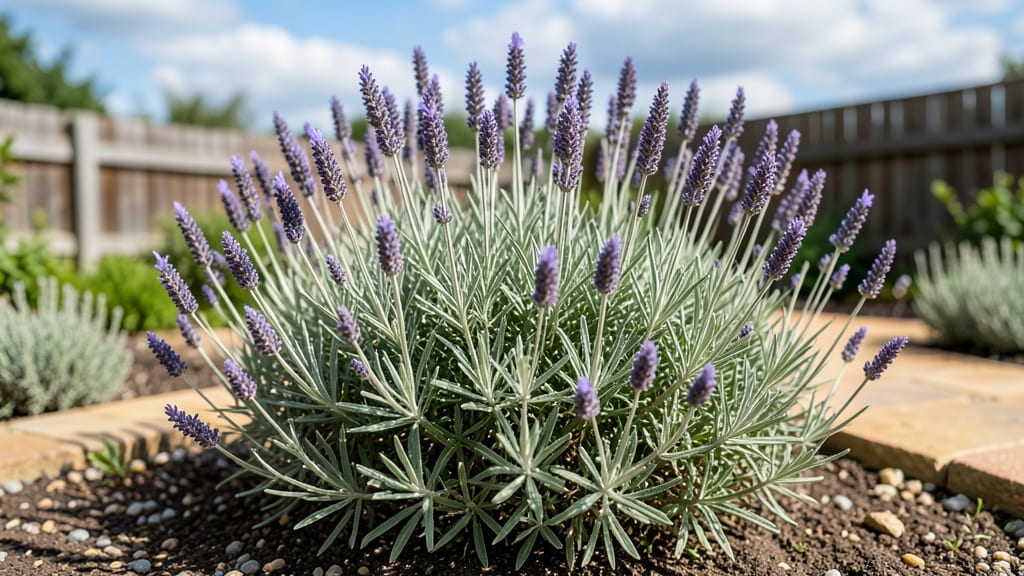
Lavender does bloom all summer only under perfect growing conditions—most types flower heavily from late spring through early summer, with occasional late-season blooms in fall. Warmer Mediterranean climates can stretch blooming periods, while cooler areas often see shorter, more concentrated flowering windows. Strategic pruning and consistent watering help encourage extended summer flowering.
Lavender's blooming habits depend heavily on its variety and where you live. English lavender typically blooms from June to August, while Spanish lavender often extends into September.
The key factor is daylight—lavender needs at least 6-8 hours of sunlight daily to produce flowers consistently. 🌿 In my experience, the Mediterranean climate's long, warm days naturally prolong blooming, while northern gardens may see just a few weeks of peak flowers.
Even in ideal conditions, lavender plants usually take a rest period after their main bloom.
What many gardeners don't realize is that lavender's second flush of blooms in fall is often weaker than the spring/summer display. This is why proper deadheading (removing spent flowers) and light pruning after the first bloom can stimulate new growth.
I've found that mulching helps retain moisture during dry spells, which is crucial for maintaining those summer blooms. The plant's natural cycle makes it more reliable in regions with hot, dry summers than in humid climates.
💡 In This Article
- Lavender Blooming Cycles by Variety and Climate
- Extending Lavender Blooms: Pruning and Care Tips
Lavender blooming cycles by variety and climate
Lavender's flowering patterns are primarily dictated by its species and native climate conditions. English lavender (Lavandula angustifolia) typically produces its main bloom from June to August, with occasional late summer flowers if conditions are ideal.
In contrast, Spanish lavender (Lavandula stoechas) often extends blooming into September or October due to its heat tolerance and later maturity. The key difference lies in their native habitats—English lavender thrives in cooler Mediterranean climates, while Spanish lavender handles warmer temperatures better.
Daylight hours serve as the primary trigger for lavender blooming. Most varieties need 14-16 hours of daylight to initiate flowering, which explains why summer blooming peaks during these long days. Temperature also plays a crucial role: 60-75°F during the day with cooler nights (below 55°F) encourages robust flower production.
In Mediterranean regions, this natural cycle extends blooming, while in USDA zones 5-6, lavender may only bloom for 4-6 weeks during late spring to early summer before entering dormancy.
The most dramatic differences appear when comparing French lavender (Lavandula x intermedia) to its English counterpart. French lavender, a hybrid, often blooms 2-3 weeks later than English lavender and continues flowering longer due to its larger flower buds and more robust growth habit.
This hybrid's extended blooming window makes it particularly popular in zones 7-9, where summer heat persists longer. The trade-off? These varieties typically require more water and regular pruning to maintain their extended flowering periods.
What many gardeners overlook is how humidity affects lavender blooming. In humid climates (zones 7-8), lavender may produce fewer blooms due to increased fungal risks and reduced sunlight penetration. The plant's natural response is to conserve energy, resulting in shorter flowering periods.
In contrast, arid regions (zones 3-5) often see lavender bloom more prolifically because the dry air reduces disease pressure and allows for more consistent sunlight exposure.
Consider these key factors when selecting lavender varieties for your region:
- Cool climates (zones 5-6): Opt for English lavender with its compact growth and early blooming cycle
- Warm climates (zones 7-9): Choose Spanish or French lavender for extended summer and fall blooming
- Humid areas: Select dwarf varieties with better air circulation to minimize fungal issues
Even in optimal conditions, lavender follows a natural cycle where it produces its most abundant blooms during the first flush in spring/summer, with weaker secondary blooms in fall. This biological rhythm is hardwired into the plant's survival strategy—conserving energy for winter survival.
Understanding these patterns helps manage expectations and optimize care practices for maximum summer blooming potential. 🌞