
Flowers
Late winter's cold embrace doesn't have to mean a garden devoid of color. These 10 hardy flowers bloom defiantly in chilly conditions, offering vibrant pops of life when most plants remain dormant. Perfect for gardeners seeking early-season beauty and pollinator support.
Snowdrops Galanthus Nivalis: Nature's First Harbingers
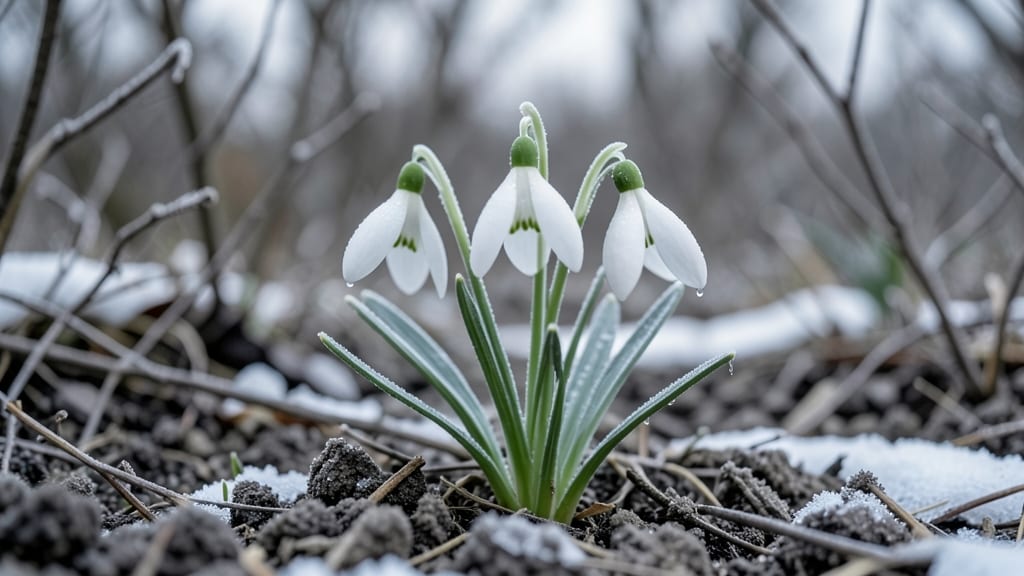
When most gardens lie dormant under winter's chill, snowdrops (Galanthus nivalis) emerge as nature's first messengers of spring. These delicate, bell-shaped blooms often push through snow or frost as early as late January, offering a hopeful splash of white against gray winter landscapes.
What makes them truly remarkable is their ability to thrive in deep shade and cold soil, making them perfect for understory planting beneath deciduous trees or in woodland gardens where sunlight is scarce. Plant bulbs in well-drained soil with a sprinkle of compost, and they'll naturalize beautifully over time. Their low-maintenance nature and disease resistance make them ideal for gardeners who want early color with minimal effort.
Urban gardeners with shady patios or woodland enthusiasts will love how snowdrops create a whimsical carpet of blooms that brightens dark corners. Their subtle beauty also makes them a favorite for wildlife-friendly gardens, as they provide early nectar for bees when little else is available. 🌱
Winter Aconite Eranthis Hyemalis: Golden Sunburst Blooms
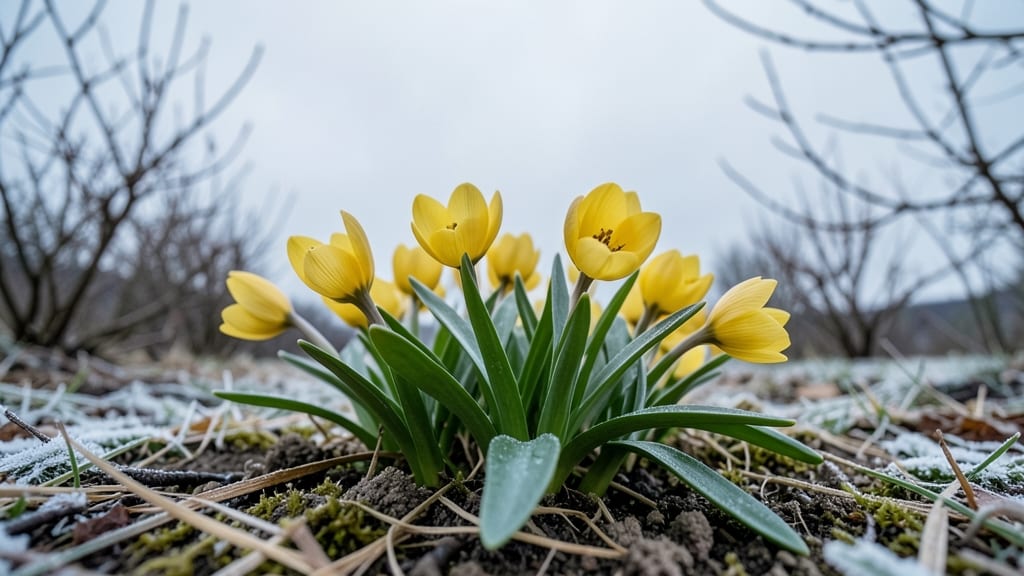
When late winter's gray skies feel endless, winter aconite (Eranthis hyemalis) emerges like tiny golden suns, defying the cold with its cheerful blooms. This hardy perennial thrives in full sun to partial shade and tolerates temperatures down to -20°F, making it one of the most resilient late-winter flowers for northern climates.
Plant bulbs in well-draining soil in fall for early spring blooms that appear before foliage emerges. Their bright yellow flowers contrast beautifully against rock gardens, gravel paths, or sunny borders, where they create a striking focal point. Unlike snowdrops, winter aconite prefers drier conditions, making it ideal for slopes or containers where water pools.
Perfect for gardeners who want instant winter color with minimal effort, these bulbs multiply over time, creating naturalizing drifts. Even urban gardeners with small spaces can enjoy their cheerful blooms in containers. 🌟
Crocus Vernus: Purple and White Forest Floor Jewels
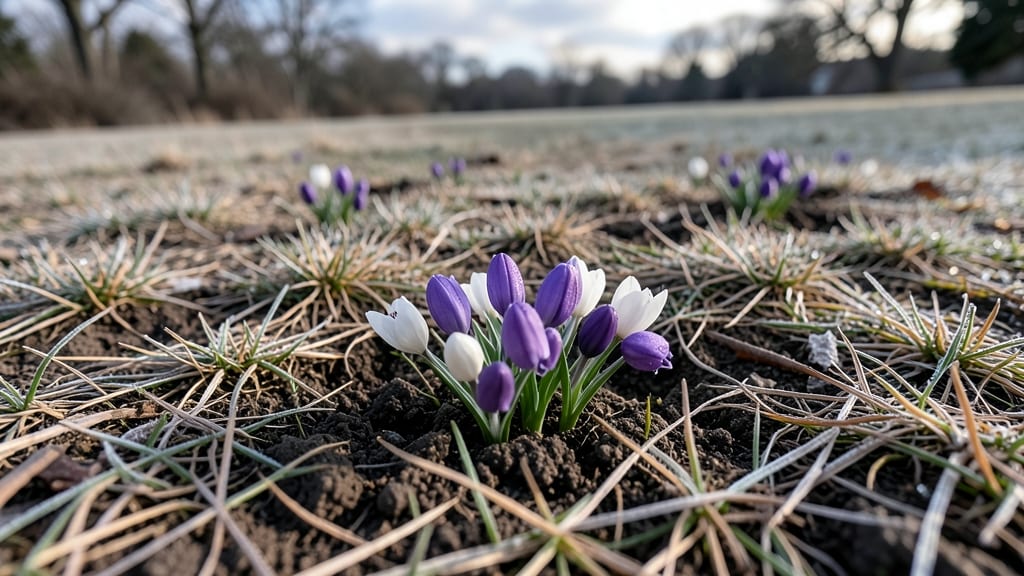
When your lawn looks like a monochromatic carpet in late winter, crocus verus emerges as nature's hidden treasure—peeking through with delicate purple and white blooms that feel like tiny bursts of magic. These hardy perennials don't just survive winter; they thrive in it, offering early nectar for bees when few other flowers are available.
Plant bulbs in fall (September-October) in well-draining soil with full sun to partial shade. Their naturalizing habit means they'll spread over time, creating lush carpets of color that multiply yearly. The vertical stems add striking height to dormancy-dominated gardens, while their bee-friendly nectar supports early pollinators when resources are scarce.
Perfect for cottage gardens, meadows, or even urban lawns, these low-maintenance beauties reward patience with years of effortless color. 🌱
Hellebore Lenten Rose: Evergreen Leaves with Unique Flowers
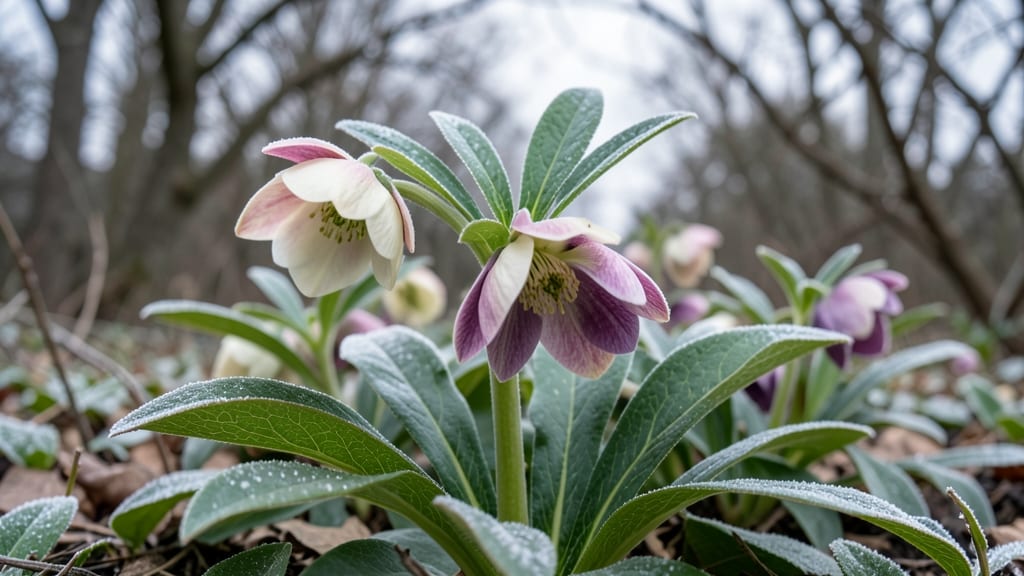
When you crave color in your garden but still face late winter chill, the hellebores (or Lenten roses) deliver a stunning solution. Their semi-evergreen foliage stays lush through winter, while delicate, nodding blooms in white, pink, or purple emerge from late winter through spring—often when other plants are still dormant.
These shade-loving perennials thrive in partial shade (3-6 hours of sun daily), making them ideal for woodland gardens, under trees, or along north-facing walls. Their unique flowers—often spotted or marked—hang gracefully above the foliage, attracting early pollinators. Deadhead spent blooms to encourage more flowers, and divide clumps every 3-4 years to maintain vigor.
Perfect for gardeners who want low-maintenance beauty** with year-round interest, hellebores are also deer-resistant and long-lived, rewarding patience with decades of blooms. 💚
Dwarf Iris Iris Histrioides: Miniature Blue Jewels
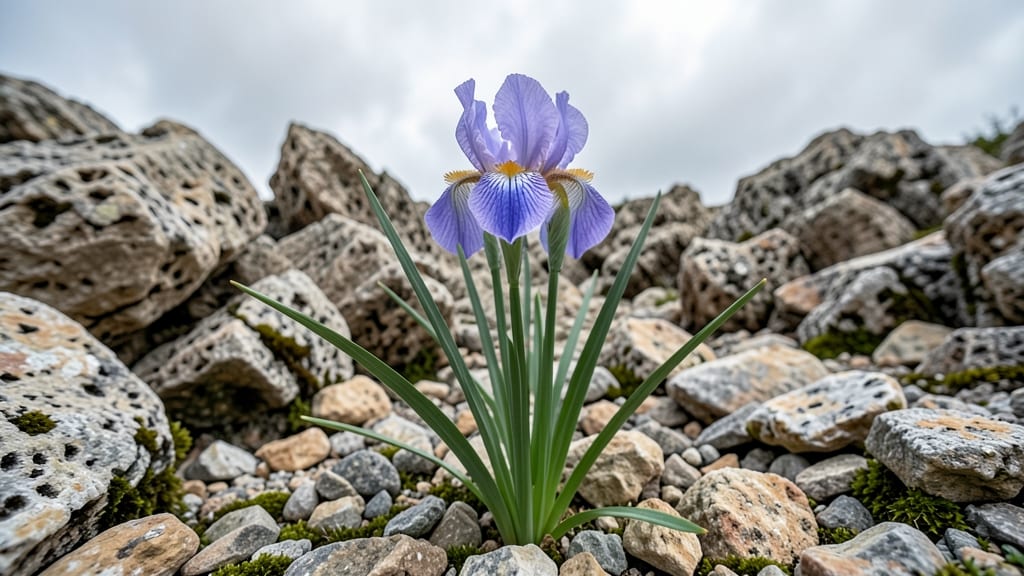
Looking for a late winter pop of color that thrives in rocky soils? Meet Iris histrioides, the native North American iris that blooms when most gardens are still asleep. These compact plants produce delicate, violet-blue flowers with golden centers, perfect for adding height and texture to alpine collections or rock gardens.
Native to western North America, Iris histrioides thrives in well-draining soil and full sun to partial shade, making it ideal for dry, sunny spots where other plants struggle. Its clumping habit stays under 12 inches tall, making it perfect for small spaces or container gardens. Plant in late summer or early fall for best results, and enjoy blooms from February through April.
This low-maintenance beauty is especially rewarding for gardeners in USDA zones 4-9, offering early-season color without the fuss. Perfect for rock gardeners or those seeking native plants that support local pollinators. 🌟
Winter Jasmine Jasminum Nudiflorum: Yellow Arching Stems
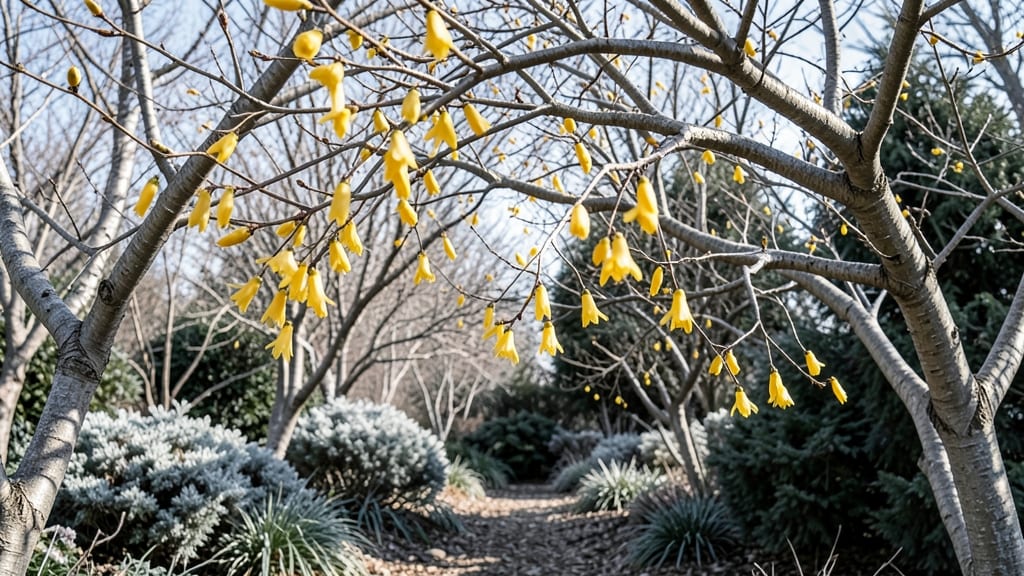
When your garden looks like a winter monochrome, winter jasmine (Jasminum nudiflorum) bursts onto the scene with its bright yellow, arching stems—a cheerful reminder that spring is coming. Unlike most winter bloomers, this deciduous shrub flowers on bare branches, creating a stunning visual display against snowy backdrops or bare fences.
Train it along a fence, trellis, or pergola to showcase its cascading habit, where the flowers will spill gracefully downward. It thrives in full sun to partial shade and tolerates a range of soils, though well-drained conditions prevent root rot. Prune back after flowering to encourage bushier growth for next winter’s display. 🌻
Pulsatilla Pasque Flower: Fuzzy Purple Pom-Poms
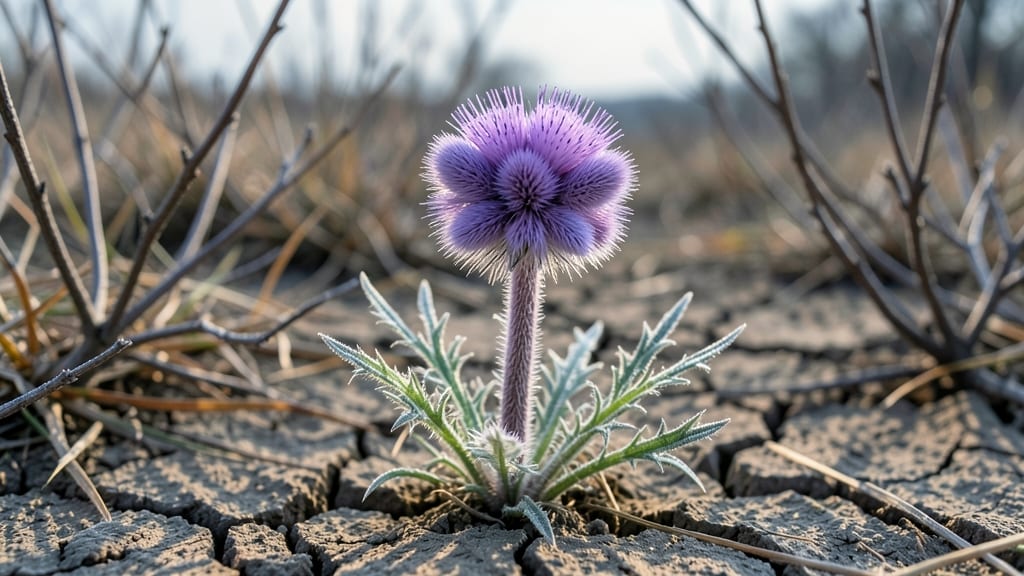
If you're dreaming of early spring color but have dry, nutrient-poor soil, pasque flowers (Pulsatilla) are your secret weapon. These fuzzy, purple pom-poms bloom before leaves appear, offering a magical contrast against bare stems and winter-brown landscapes.
Native to prairies and meadows, pasque flowers thrive in full sun and well-drained soils—even rocky or sandy ones. Their drought-tolerant roots make them ideal for low-maintenance gardens, while their long vase life (up to 10 days) makes them perfect for cutting arrangements. Plant bulbs in fall for spring blooms, and watch as their silky petals dance in the breeze.
Perfect for prairie-style gardens or wildflower meadows, these hardy perennials bring early pollinators like bees and butterflies to your yard. Their unique blooms also make stunning dried flower arrangements for year-round enjoyment. 🌷
Cyclamen Neapolitanum: Silver-Leaved Ground Cover
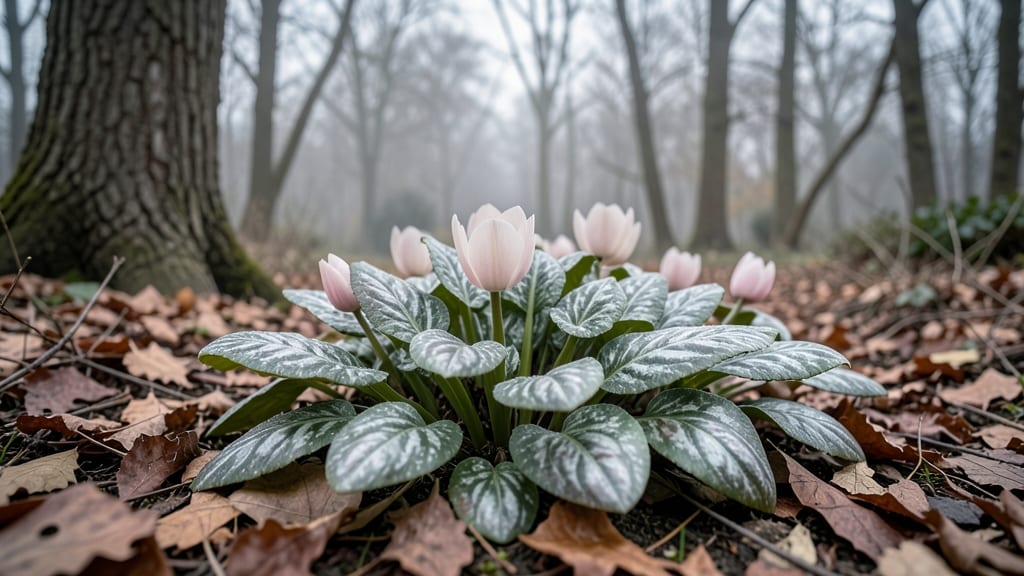
When your garden looks like a blank canvas in late winter, Cyclamen Neapolitanum steps in as a stunning understudy with its silver-marbled foliage that shines even when most plants are dormant. This Mediterranean native thrives in shade, making it perfect for woodland edges or understory plantings where other flowers struggle.
Its pink and white flowers bloom from late winter through early spring, adding delicate color to dark corners. Unlike its more common cousin, this variety stays compact (6-12 inches tall) and spreads slowly, creating a lush, textured ground cover. Water moderately—avoid soggy soil—and mulch lightly to protect roots from winter temperature swings.
Urban gardeners and woodland enthusiasts will love how Cyclamen Neapolitanum transforms dull winter borders into a silver-and-pink masterpiece with minimal care. 🌷
Primula Vulgaris Cowslip: Golden Clusters in Meadows
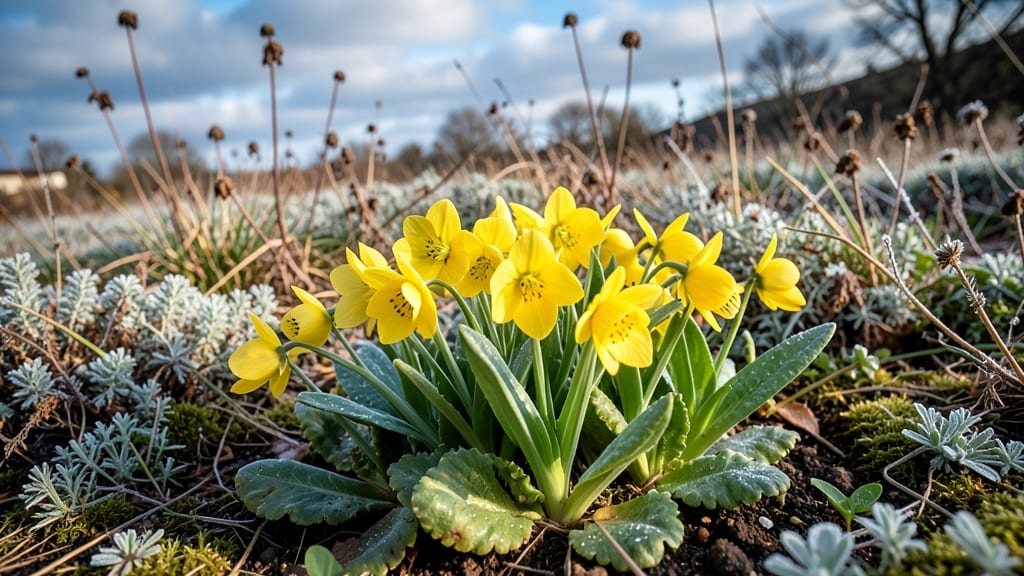
If you dream of a cottage garden bursting with life as soon as winter loosens its grip, Primula vulgaris (commonly called cowslip) is your secret weapon. These delicate, nodding yellow blooms appear in late winter to early spring, transforming dreary landscapes into cheerful meadows that hum with pollinators.
Cowslips thrive in moist but well-drained soils, making them perfect for cottage gardens, woodland edges, or even damp borders. Plant them in partial shade to full sun, and they’ll reward you with clusters of golden bells that attract bees and butterflies when few other flowers are in bloom. Their self-seeding habit means they’ll naturalize beautifully over time, creating a carpet of color year after year.
This hardy perennial is ideal for gardeners who love low-maintenance plants with high impact—perfect for beginners or those seeking to add rustic charm to their outdoor spaces. 🌻
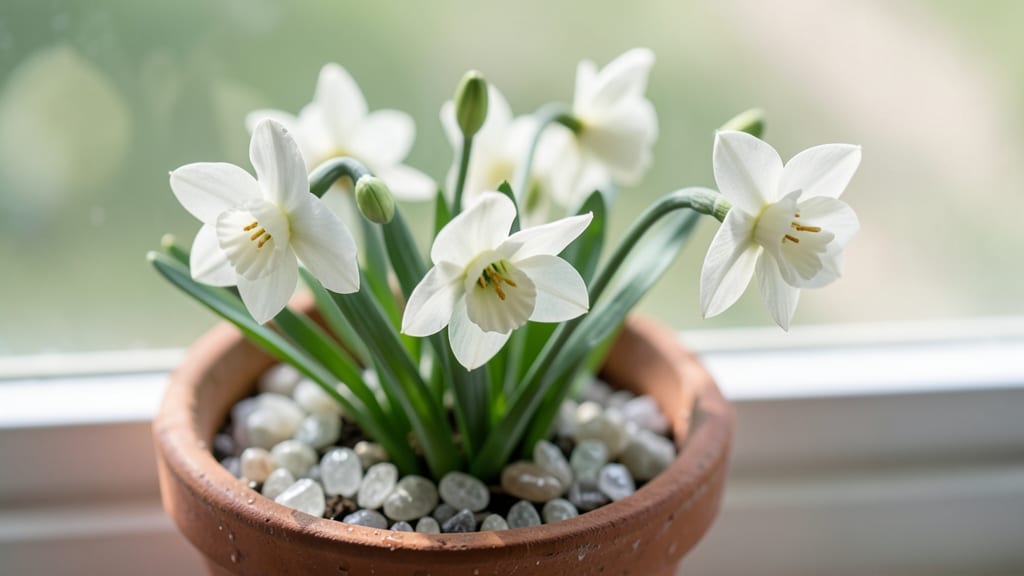
Daffodil Narcissus Paperwhite: Fragrant Indoor Blooms

Bring the freshness of spring indoors before it even arrives with paperwhite daffodils (Narcissus papyraceus). Unlike their outdoor cousins, these cold-hardy bulbs thrive when forced indoors in late winter, filling your home with sweet fragrance and delicate white blooms that last for weeks.
Simply plant bulbs in shallow containers with pebbles for drainage, cover with water, and place them in bright, cool spots (60-65°F). They’ll sprout in just 2-3 weeks, offering a low-maintenance way to beat winter blues. The process is foolproof—even first-time gardeners can enjoy these cheerful blooms without a green thumb. 🌱