
Blooming
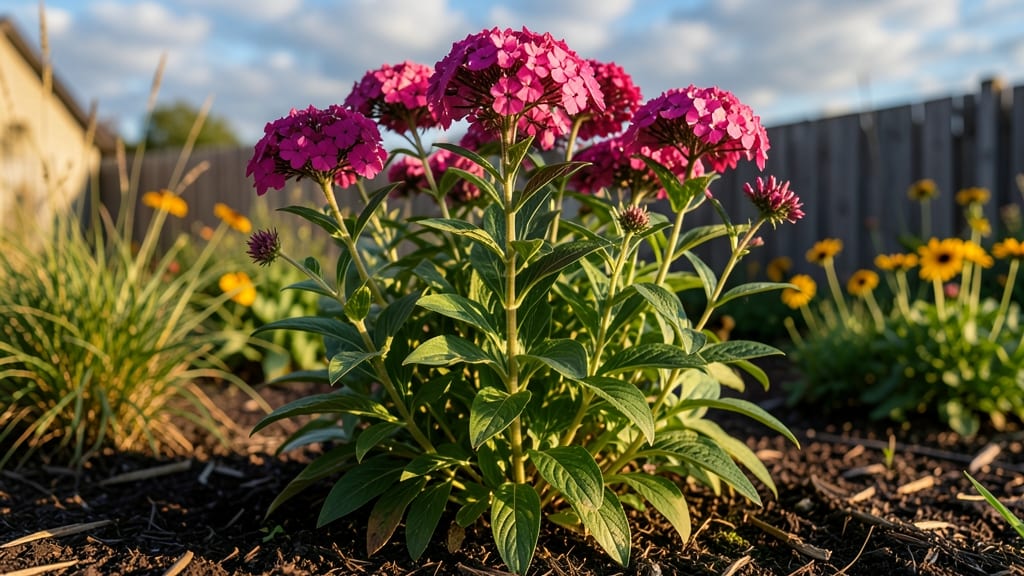
Garden phlox do not bloom all summer—most varieties flower for 4-8 weeks, typically from mid-to-late June through August, though early-blooming types may start in May. Late-summer varieties extend blooms into September, depending on climate and variety. Deadheading spent blooms encourages prolonged flowering in some types.
Garden phlox are seasonal showstoppers, not year-round performers. Their blooming windows depend heavily on the variety—tall garden phlox (like 'David') peak in July-August, while creeping phlox often start as early as May. 🌸 The key to maximizing their display lies in your climate zone and care routine.
For example, phlox in cooler northern zones (USDA 3-5) may bloom earlier than those in hotter southern regions (zones 8-10), where heat can shorten their season. Understanding these patterns helps you plan your garden layout for continuous color.
What many gardeners don't realize is that proper maintenance can actually extend their flowering period. Regular deadheading removes spent blooms before they set seed, redirecting the plant's energy toward new flowers. I've seen phlox in my own garden continue blooming for weeks longer when I commit to this simple practice.
The right soil conditions—well-draining but consistently moist—also make a significant difference in how long phlox will keep producing those vibrant clusters.
💡 In This Article
- Phlox Blooming Seasons by Variety and Hardiness Zones
- How to Extend Phlox Blooms Naturally
Phlox blooming seasons by variety and hardiness zones
Garden phlox display distinct blooming patterns based on their species and native growing conditions. Tall garden phlox (Phlox paniculata), the most popular type, typically bursts into color from late June through August, with peak performance in July.
This variety thrives in USDA zones 4-8, where cooler summer nights help prolong their flowering. In hotter zones (9-10), blooms may appear earlier but fade faster due to heat stress—often by mid-August unless given afternoon shade.
The timing shifts dramatically with other varieties: creeping phlox (Phlox subulata) often starts blooming as early as May in cooler climates (zones 3-7), creating a stunning spring display before fading by June.
Border phlox (Phlox drummondii), native to Texas, prefers zones 7-10 and blooms later—June through August—with some varieties continuing into September. What's fascinating is how these timings align with their natural habitats: northern phlox evolved to handle cooler summers, while southern varieties adapted to avoid peak heat.
Climate plays a crucial role in extending or shortening bloom times. In northern zones (3-5), phlox may enjoy a longer display because cooler temperatures reduce stress. Conversely, in southern zones (8-10), afternoon heat can cause buds to drop before opening.
I've noticed that phlox in zone 9 gardens often need afternoon shade to maintain blooms past August. The key is understanding your microclimate—phlox near water features or in partial shade typically perform better in hotter regions.
Heat tolerance varies even within species. For example, 'David' tall phlox handles heat better than 'White Delight', which may struggle in zones above 8. The secret lies in their root systems: deeper-rooted varieties access moisture during dry spells, while shallow-rooted types wilt faster.
This is why mulching with 2-3 inches of organic matter helps retain moisture and cool roots during summer heatwaves.
Day length also influences blooming. Phlox are short-day plants, meaning they flower when daylight hours shorten—typically after the summer solstice. This explains why northern phlox often bloom later than southern varieties, despite similar planting times.
The transition from long summer days to shorter autumn days triggers their flowering mechanism, which is why you'll see phlox in containers continue blooming longer than those in full-ground beds.
For gardeners in transitional zones (6-7), selecting heat-tolerant varieties like 'Blue Paradise' or 'Lavender Lace' can extend blooms into early September. These cultivars have been bred to handle higher temperatures while maintaining their vibrant color. The trade-off? They may bloom slightly later than traditional varieties but compensate with longer-lasting flowers.