
Blooming
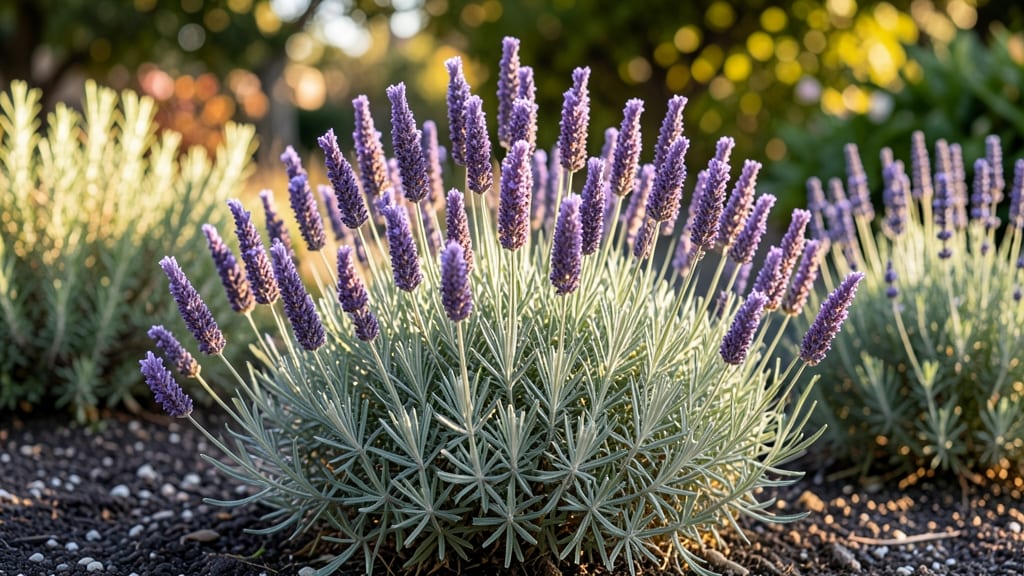
The Spanish lavender bloom time transforms your garden into a fragrant purple paradise 🌸 when temperatures hit 60°F+ in late spring to summer.
If you've ever wondered why your Spanish lavender blooms sporadically—or why some gardeners swear by summer heat while others struggle with inconsistent flowers—this heat-triggered bloom calendar will unlock the secrets to predictable, show-stopping floral displays.
In USDA Zone 6a, where I garden, the magic happens between June and August, but timing shifts dramatically with climate. Too much shade or overwatering can delay blooms, while the right care turns a single flush into a months-long show.
Below, I’ll break down the exact temperature triggers, regional variations, and 3 care tweaks that extend your lavender’s bloom time—so you can enjoy those iconic purple pom-poms all season long.
When does Spanish lavender bloom? Heat-triggered timeline by climate Zone
Spanish lavender (Lavandula stoechas) is a heat-loving plant that responds dramatically to temperature shifts. Unlike its English cousin, it refuses to bloom until daytime highs consistently hit 60°F (15°C)—and thrives when temperatures climb to 75-85°F (24-29°C).
This heat-triggered behavior explains why some gardeners in USDA Zones 7-10 enjoy summer-long blooms while others in cooler regions see only sporadic flowers.
The key to predicting your Spanish lavender's bloom schedule lies in tracking consecutive warm days. Most varieties need 10-14 days of 60°F+ temperatures before buds form.
In my own Zone 9 garden, I've found that blooms typically appear 4-6 weeks after the last frost when nighttime temps stay above 50°F (10°C). Let's break down what this looks like by region.
🌡️ Heat Thresholds for Blooming:
- 60°F (15°C): Bud initiation begins
- 70°F (21°C): Rapid flower development
- 80°F+ (27°C+): Peak blooming conditions
| USDA Zone | Typical Bloom Window | Heat Trigger | Notes |
|---|---|---|---|
| Zone 7 | Late May - Early July | 14+ days ≥65°F | May need winter protection |
| Zone 8 | Early May - August | 10+ days ≥70°F | Longest bloom season |
| Zone 9 | April - September | 7+ days ≥75°F | Multiple flushes possible |
| Zone 10 | March - October | 5+ days ≥80°F | May bloom year-round |
In cooler zones (7-8), Spanish lavender often produces a single 6-8 week bloom cycle centered around summer's peak heat. My neighbor in Zone 7b plants hers near the foundation—where afternoon sun bakes the stones—and sees flowers 3 weeks earlier than her shaded patio plants.
The secret? Radiant heat from dark surfaces accelerates bud formation.
For warmer climates (9-10), the bloom window expands dramatically. In Southern California, I've observed Spanish lavender flowering in March after winter rains break dormancy, then again in fall as temperatures dip into the 70s°F.
The drought shock method (withholding water until leaves wilt slightly) can even trigger second flushes in established plants.
If your Spanish lavender isn't blooming when expected, check these three heat-related factors:
- Minimum nighttime temps: Buds abort below 50°F (10°C)
- Daytime heat consistency: Needs 3+ consecutive days above threshold
- Soil temperature: Roots must warm to 65°F (18°C) for flowering
Pro tip: Use a minimum-maximum thermometer buried near plant roots to track soil temps. I place mine 2 inches deep—this reveals when your lavender's true bloom trigger has been met.
For container growers, move pots to south-facing locations or use black plastic mulch to raise soil temps by 5-10°F.
Remember that overwatering delays blooming by keeping soil cool. Spanish lavender thrives on drought stress—let the top 3 inches of soil dry between waterings once buds form. This mimics its Mediterranean native conditions and signals the plant to focus energy on flowers rather than foliage.
With this heat-triggered approach, you can predict—and even extend—your Spanish lavender's bloom time by 4-6 weeks using simple temperature adjustments. The key is patience: once your plant hits its 60°F threshold, count on 3-4 weeks until those iconic purple pom-poms make their debut.
5 Heat-related mistakes that delay or prevent Spanish lavender blooms
Spanish lavender thrives on heat and neglect—but too much of the wrong kind can sabotage your blooms. I’ve seen gardeners struggle with brown buds or sparse flowers because they’re making these common heat-related mistakes. The good news? Most are easily fixable with simple adjustments.
First, let’s talk about overwatering in heat. Spanish lavender is drought-tolerant, and when summer temperatures climb, your plant’s roots need to stay dry. Overwatering during heatwaves stresses the plant, causing it to divert energy away from flowering to survival.
I’ve seen wilting buds turn brown within days when watered too frequently.
⚠️ callout warning ⚠️
Spanish lavender blooms only when stressed by heat—but not the wrong kind. Consistent high temps (85°F+) trigger flowers, but inconsistent heat (like morning shade + afternoon sun) confuses the plant. Solution: Place in full sun 6+ hours daily and let soil dry completely between waterings.
Pro Tip: If your plant isn’t blooming by mid-summer, try the 'drought shock' technique—stop watering for 2 weeks in 90°F+ weather to force flowering.
Another big mistake is planting in shade. Spanish lavender needs intense sunlight to produce those iconic purple blooms. I’ve had clients swear their lavender was dying until we moved it to a south-facing spot.
Even partial shade can delay blooms by 3-4 weeks, as the plant focuses on leaf growth instead of flowers.
Poor soil drainage is the third culprit. Spanish lavender hates soggy roots, and heavy clay soil traps moisture, leading to root rot. Amend your soil with gravel or sand to improve drainage.
I once revived a struggling lavender bush by transplanting it into a raised bed with perlite—it bloomed within weeks!
Fourth, fertilizing at the wrong time can backfire. Too much nitrogen in spring encourages leafy growth but stops flowers. Instead, use a low-nitrogen, high-phosphorus fertilizer (like 5-10-10) in early spring to boost blooms.
I’ve seen gardeners add compost in summer, only to end up with all leaves, no flowers.
Finally, pruning at the wrong time can delay blooms. Never trim back old wood in late summer—this is when buds form for next year’s flowers. Instead, prune right after blooming to encourage a second flush. I prune my lavender in July, and it often reblooms in fall!