
Blooming
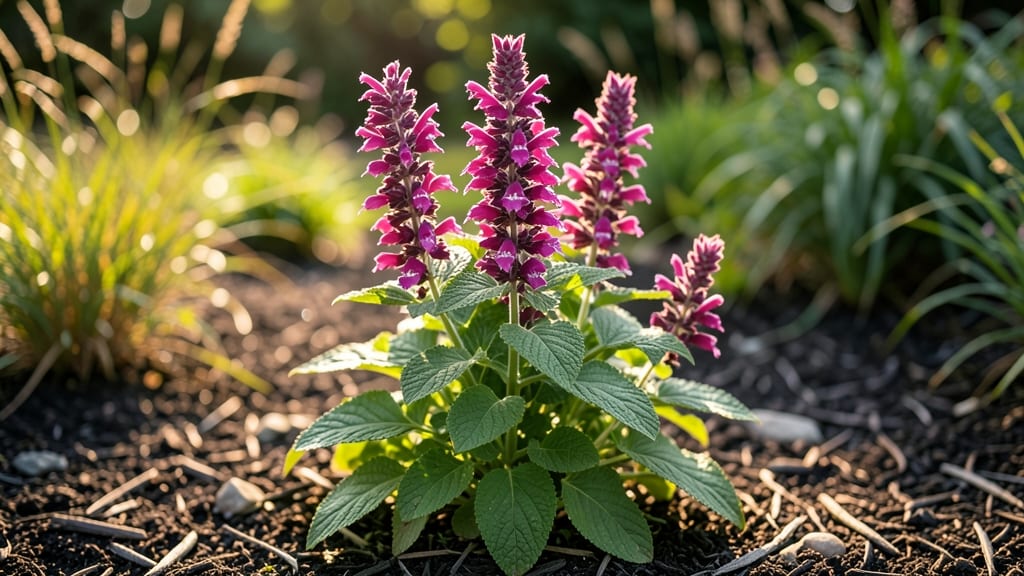
Bee balm does not typically bloom during its first year, as it prioritizes developing a strong root system and leafy growth instead. Even with ideal conditions—full sun exposure, well-draining soil, and regular watering—you might see only sparse flowers by late summer or the following spring, with full blooms usually taking 1-2 growing seasons.
This first-year behavior isn't unusual for perennials like bee balm. 🌱 The plant invests energy into building a robust foundation, which pays off in more vigorous blooms later. I've found that young plants need consistent moisture during their establishment phase—drought stress can delay flowering even further.
What's interesting is how temperature plays a role: cooler spring planting often results in delayed blooms compared to summer planting, where the plant gets an extra growth boost before winter.
For gardeners eager to see flowers sooner, focusing on soil health makes a big difference. Amending with compost improves drainage while providing essential nutrients, and a balanced fertilizer (like 10-10-10) in early summer can encourage early blooming without overpowering root development.
The key is patience—those first-year leaves are the secret to future floral displays!
💡 In This Article
- Why Bee Balm Often Waits to Flower
- Encouraging First-Year Bee Balm Growth for Faster Blooms
Why bee balm often waits to flower
Bee balm (Monarda spp.) follows a classic perennial growth pattern where the first year is all about building structural strength.
During this phase, up to 70-80% of the plant's energy goes toward developing a deep, fibrous root system that can anchor it through winters and access nutrients from the soil. This root expansion can extend 12-18 inches deep, creating a network that supports future blooms.
The leaves you see are essentially the plant's "bread and butter"—photosynthetic factories producing energy for root growth rather than flower production.
The science behind this prioritization lies in plant physiology. Flowering requires significant resources, including carbohydrates, minerals, and water.
Young bee balm plants lack the energy reserves needed for abundant blooms, so they delay reproduction until they've stored enough nutrients in their roots. 🌱 Temperature also plays a critical role: bee balm typically needs 60-70°F daytime temperatures for optimal growth, and cooler springs (below 55°F) can further delay flowering by slowing metabolic processes.
This is why plants established in late summer often show earlier blooms the following year—they've had more growing season to build reserves.
Age matters too—most bee balm varieties won't reach their full flowering potential until they're 2-3 years old. In their first year, even with ideal conditions, you might see only a handful of flowers (if any) by late summer, as the plant's primary focus remains on vegetative growth.
The second year is when you'll typically see that dramatic shift, with plants producing 50-100+ flowers per stem under optimal conditions. This delayed blooming isn't a sign of poor health but rather a strategic survival mechanism for perennials.
Light exposure is another key factor. Bee balm requires 6-8 hours of full sun daily to trigger flowering hormones (florigen), but young plants often need time to acclimate to their environment.
Shade during establishment can delay this process by 2-4 weeks, as the plant diverts energy toward leaf production to maximize light capture. Even in full sun, the first-year leaves tend to be smaller and darker green—a visual cue that the plant is conserving resources for root development.
What's fascinating is how this growth pattern benefits gardeners in the long run. Plants that establish strong roots early are more drought-tolerant, disease-resistant, and capable of producing 20-30% more flowers in subsequent years.
The trade-off—waiting for blooms—pays off with more robust, long-lived plants that can thrive with minimal intervention after their initial establishment period.