
Blooming
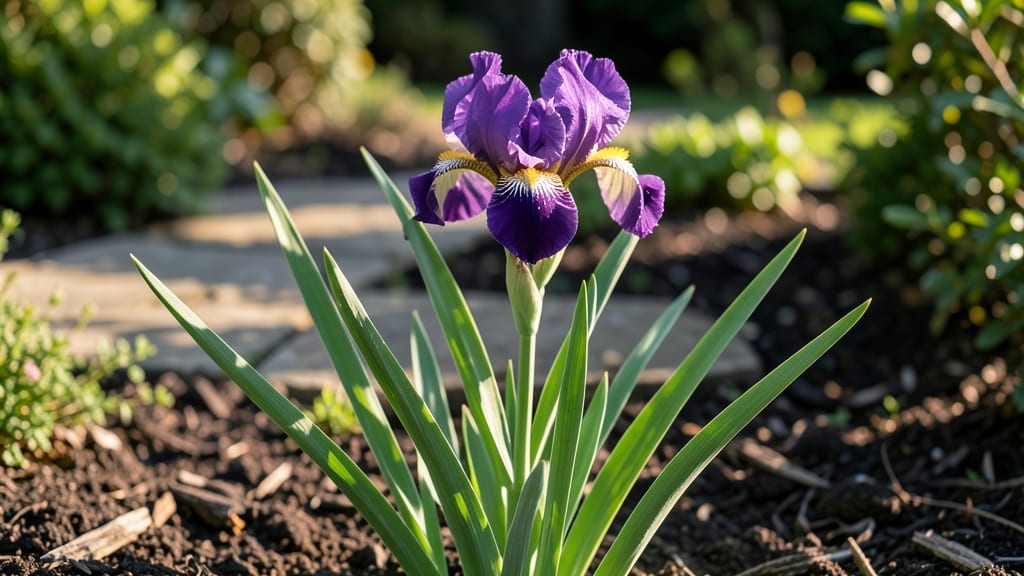
Iris blooms don't last all summer; most varieties flower for just 2-4 weeks in spring, though some reblooming types may extend into early summer. With proper care like deadheading and consistent moisture, you can lengthen their seasonal display—but never achieve year-round blooms.
Iris blooms are seasonal powerhouses, but their timing depends entirely on the variety. 🌸 Traditional bearded irises put on their spectacular spring show for about three weeks, while reblooming types like Louisiana irises might reward you with a second flush in early summer.
The key difference lies in their genetics—spring-bloomers focus all their energy on one showy display, while rebloomers store up resources for a second round. What's fascinating is how climate plays a role: cooler northern regions often see longer spring blooms, while southern gardens might trigger that second summer flush.
To coax the most out of your irises, think of them like athletes preparing for a big event. After the first bloom, I always trim spent flower stalks to redirect energy into foliage growth—this gives rebloomers a better chance at their second act.
Consistent watering (about 1 inch per week) and a balanced fertilizer in early spring keep them fueled for their performance. The secret weapon? Mulching in late summer to protect roots during dormancy—this simple step can make the difference between a weak second bloom and a stunning one.
💡 In This Article
- Iris Bloom Duration by Variety: Spring vs Reblooming Types
- Extending Iris Bloom Seasons with Proven Care Techniques
Iris bloom duration by variety: spring vs reblooming types
Most irises follow a strict seasonal schedule because their blooming cycles are tied to photoperiodism—the plant's response to daylight length. Traditional bearded irises, the classic spring bloomers, rely on a single flush of flowers triggered by increasing daylight in late winter.
Their genetic programming prioritizes one spectacular 2-4 week display in spring, after which they enter a dormant period to conserve energy. This is why you'll see them fade by early summer—it's not neglect, but biology.
Louisiana irises, on the other hand, have adapted to warmer climates and can produce two bloom cycles: their main spring show plus a smaller summer rebloom, often triggered by summer rains and heat.
The key difference lies in their root systems and energy storage. Spring-blooming varieties like German irises store nutrients in thick rhizomes, which they deplete during their single bloom.
Rebloomers like Siberian irises have more fibrous roots that can sustain multiple cycles, though they still need 6-8 weeks of recovery between blooms.
Climate plays a surprising role too—northern gardens often see longer spring blooms because cooler temperatures slow metabolic processes, while southern heat can trigger that elusive second flush in early summer. 🌿 What's fascinating is how some hybrid varieties (like the 'Florence Sullivan' bearded iris) have been bred to bridge this gap, offering extended bloom periods of up to 6 weeks.
Color also influences bloom duration. Darker purple and blue irises tend to have slightly shorter bloom times because their pigments absorb more sunlight, accelerating energy depletion. Lighter colors like white or yellow often bloom 5-10% longer because they reflect more light.
This is why gardeners often choose lighter varieties for extended displays—they're essentially getting more "bloom bang for their buck." The trade-off? Darker irises often have more intense fragrance, which is why many collectors prioritize them despite the shorter season.
What most gardeners don't realize is that iris blooms are actually a survival strategy. Each flower contains seeds that need to mature before the plant can safely enter dormancy. This biological clock means you'll never get year-round blooms—even with perfect care.
The longest recorded iris bloom season was 10 weeks for a carefully managed Louisiana iris in a Florida garden, but this required daily deadheading and precise irrigation. Most home gardens see 4-6 weeks as the realistic maximum for rebloomers. 🌸
Here's how to identify your iris type by bloom timing:
- Spring-only bloomers: Bearded irises (3-4 weeks in April-May)
- Spring + summer bloomers: Louisiana irises (May + July-August)
- Extended spring bloomers: Siberian irises (4-6 weeks in May-June)
- Late-season performers: Japanese irises (June-July in cooler climates)
The secret to telling them apart? Look at the foliage after blooming—spring-only types will yellow and die back completely, while rebloomers maintain lush green leaves for their second act. This visual cue helps you set realistic expectations for your garden's performance. 💫