
Blooming
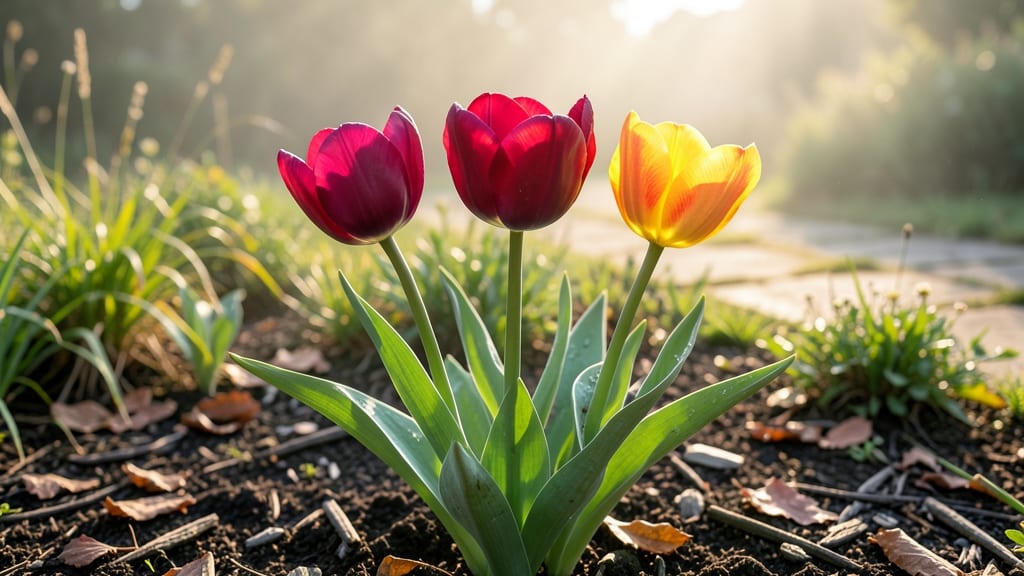
Tulips bloom in 4 to 8 weeks after planting, but timing varies wildly by variety and climate zone—so your Zone 6a neighbors might see 🌷 explosions in April while you’re still waiting for shoots.
Wondering why your tulips refuse to bloom when your neighbors’ gardens explode with color every spring? The answer lies in your climate zone—and timing is everything for these finicky but stunning flowers.
Some tulips need cool fall dormancy to trigger blooms, while others thrive with early spring warmth. Planting too late or in the wrong soil can delay blooms by weeks, and even the same variety can shift bloom times by 10 days depending on microclimates.
In this guide, I’ll break down exactly when to plant for your zone, how to nudge bloom times earlier or later, and the 3 biggest mistakes that keep tulips from performing—so you can finally get that showstopping display you’ve been dreaming of.
Tulip bloom time by USDA climate zones: when to plant for perfect spring color
If you’ve ever planted tulip bulbs only to watch them sprout leaves without blooming, you’re not alone. The secret to perfect tulip bloom time lies in understanding your USDA climate zone and planting at the right moment.
Tulips need a 4-8 week chilling period followed by warm spring temperatures to trigger blooms, but the timing varies dramatically across regions.
For example, gardeners in Zone 3 (like Minnesota) can plant tulips as early as September for spring blooms, while those in Zone 9 (like Southern California) must plant in November-December to avoid summer heat stress. The key is synchronizing planting with your local frost dates and variety selection.
Early bloomers like ‘Early Harbinger’ tulips emerge in late March in Zones 5-7, while late varieties such as ‘White Dream’ peak in May. Below, I’ve broken down the ideal planting windows and bloom periods for each zone to help you plan a garden that bursts into color at the perfect time.
| USDA Zone | Planting Window | Bloom Time | Key Varieties | Frost Risk |
|---|---|---|---|---|
| Zones 3-4 | Mid-September to early October | Late April to early May | ‘Ice Follies’, ‘Red Emperor’ | High (late frost risk) |
| Zones 5-6 | Late September to mid-October | Mid-April to mid-May | ‘Darwin Hybrid’, ‘Queen of Night’ | Moderate (watch for late frosts) |
| Zones 7-8 | October to early November | February to March | ‘Parrot tulips’, ‘Fosteriana’ | Low (mild winters) |
| Zones 9-10 | November to December | January to February | ‘Species tulips’, ‘Greigii’ | None (plant in shade) |
🌷 Note: Adjust planting dates 2-3 weeks earlier in cooler microclimates or later in heat-prone areas.
In Zones 3-4, where winters are harsh, tulips planted in September will bloom in late April to early May. These zones benefit from early bloomers that tolerate cold snaps. I recommend ‘Ice Follies’ for its striking white blooms or ‘Red Emperor’ for bold color contrast.
Gardeners in Zones 5-6 (like Colorado or upstate New York) should plant in late September to avoid early frosts. Tulips here typically bloom from mid-April to mid-May. Darwin Hybrid tulips thrive in these zones, producing large, long-stemmed blooms perfect for cutting gardens.
For Zones 7-8, where winters are milder, the planting window shifts to October-November. Blooms appear earlier, from February to March, making them ideal for Valentine’s Day displays. Parrot tulips are a standout choice, offering exotic, feather-like petals in vibrant hues.
In Zones 9-10, tulips are trickier due to summer heat. Plant bulbs in November-December and choose species tulips like ‘Greigii’, which handle warmer climates better. These tulips bloom in January-February, providing early spring color before summer arrives.
One critical factor across all zones is soil temperature. Tulip bulbs need 40-50°F soil to root before dormancy. Use a soil thermometer to check—planting too early in warm zones (like Zone 9) can cause bulbs to sprout prematurely and rot.
To extend your tulip season, mix early, mid, and late-blooming varieties in the same bed. For instance, pair ‘Early Harbinger’ (late March) with ‘Apeldoorn’ (early May) to enjoy blooms for 6+ weeks.
Mulch with 3 inches of straw after planting to insulate bulbs and protect against temperature swings.
Finally, remember that tulips are frost-sensitive once in bloom
How to adjust tulip bloom time: 5 pro tips for earlier or later flowers
Tulips are famously stubborn about their bloom schedules, but with the right timing tricks and variety selection, you can coax them to flower weeks earlier or delay their display for a longer-lasting garden show.
The secret lies in understanding how soil temperature, light exposure, and planting depth interact to trigger blooming. Whether you're an urban gardener with limited space or a rural enthusiast with full sun, these proven strategies will help you take control of your tulip calendar.
Forcing tulips indoors is the fastest way to get early blooms—perfect for Valentine's Day or Mother's Day. Start by planting bulbs in pots in late summer (August-September) and place them in a cool, dark spot (like a garage) until Christmas.
Then move them to a bright, sunny window. This method can shave 4-6 weeks off the natural bloom time, turning your living room into a springtime spectacle by February.
- Use Darwin Hybrid tulips for late spring blooms (May-June) in cooler zones (3-5). Their thicker stems and larger flowers thrive in full sun and well-draining soil.
- Plant species tulips (like Tulipa tarda) for early blooms (March-April). These hardy varieties bloom 2-3 weeks earlier than hybrids and tolerate partial shade.
- Adjust soil temperature by planting in black plastic mulch (warms soil faster) for earlier blooms or white mulch (cools soil) to delay blooming by 10-14 days.
- Create a microclimate in urban gardens by planting tulips near south-facing walls or heat-absorbing pavers to extend the growing season by 2-3 weeks.
- Plant bulbs shallower (4-5 inches deep) for earlier blooms or deeper (8-10 inches) to delay blooming by 1-2 weeks. Adjust based on your climate zone.
If you're aiming for later blooms, focus on soil moisture control and shade adjustments. Water deeply but infrequently in early spring to slow bulb growth, then reduce watering as temperatures rise.
This mimics a cooler climate and can push blooming into June or even July in warmer zones (7-9). Pair this with partial shade (30-50% sunlight) to further delay blooming while keeping the foliage healthy.
Urban gardeners often struggle with limited space and heat islands, but container gardening offers a solution. Use large pots (12+ inches deep) with fast-draining mix (60% compost, 40% perlite) to regulate soil temperature. Place pots on elevated stands to improve airflow and reduce heat stress, which can stunt blooming.
This setup lets you move tulips to cooler spots as needed, giving you flexibility to adjust bloom times seasonally.
Remember, consistency is key—once you force a tulip to bloom early or late, it may revert to its natural schedule in subsequent years. For repeatable results, stick to one method per variety and keep detailed records of planting dates, soil temps, and bloom timelines.
With practice, you'll master the art of orchestrating tulip blooms like a seasoned gardener!