
How To
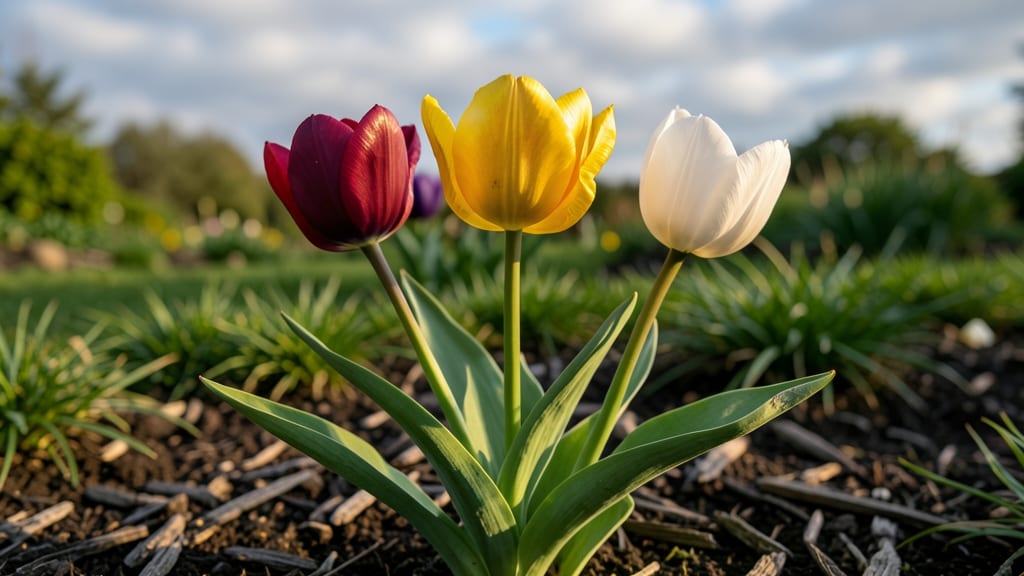
Tulips bloom for anywhere from 3 to 14 days in spring, depending on the variety and care you give them 🌷 — a window that can feel disappointingly short if you’re not prepared.
If you’ve ever wondered why your tulips seem to vanish overnight, you’re not alone. Most gardeners struggle to predict their exact bloom duration, but the secret lies in knowing your tulip types and a few simple tricks to stretch their season.
Early bloomers like Species Tulips may only last a week, while late-season Darwin Hybrids can shine for two weeks or more. The right soil, watering, and light can add days — sometimes even weeks — to their display.
Here’s how to maximize your tulip season, from variety-by-variety bloom times to the easiest ways to keep them looking fresh longer.
Tulip bloom duration by variety: exact days for popular types
Understanding tulip bloom duration starts with recognizing that not all tulips bloom for the same length of time. Some varieties burst into color for just 3-5 days, while others linger for 10-14 days. The difference comes down to genetics, growing conditions, and even your local climate.
For example, Darwin Hybrid tulips are known for their long-lasting blooms, while species tulips often fade faster but offer unique charm. Let’s break down the exact bloom times for popular varieties so you can plan your garden display like a pro.
Timing matters when it comes to tulip blooms. Early bloomers like Kaufmanniana tulips (also called species tulips) often appear in late winter or early spring, lasting 5-7 days.
Mid-season varieties such as Fosteriana tulips bloom in early spring and can last 7-10 days, while late-season Darwin Hybrid tulips appear in late spring and hold their color for 10-14 days. Knowing these timelines helps you space out plantings for a continuous spring display.
If you’re planning a sequential tulip display, start with Kaufmanniana tulips in late winter for a burst of early color. Follow them with Fosteriana tulips in early spring, then Darwin Hybrid tulips in late spring for a prolonged show.
This strategy ensures your garden stays vibrant for 6-8 weeks, depending on your climate. For example, in USDA Zone 6a, early bloomers like ‘Tardif’ (a Fosteriana) can appear as early as March, while late bloomers like ‘Apeldoorn’ (a Darwin Hybrid) won’t peak until May.
Climate plays a huge role in tulip bloom duration. In cooler regions, tulips often bloom longer because the temperature fluctuations are less extreme.
For instance, in Zone 5, tulips might bloom for 2-3 extra days compared to warmer Zone 8, where heat can cause them to wilt faster. To extend blooms in hotter climates, plant in partial shade or use mulch to keep roots cool.
I’ve seen Darwin Hybrid tulips in my Zone 6 garden
5 Science-backed ways to extend tulip blooms for weeks longer
Want your tulips to stay vibrant for weeks instead of days? The secret lies in proactive care—not just after they bloom, but before and during. Most gardeners focus on planting, but the real magic happens in the post-bloom phase.
With the right techniques, you can stretch those show-stopping blooms from 7 days to 3+ weeks—here’s how.
First, let’s address the biggest myth: cutting tulips shortens their lifespan. Wrong! In fact, proper deadheading and watering strategies can double bloom duration. The key is understanding how tulips allocate energy.
When you remove spent blooms, the plant redirects resources to leaf production, which fuels next year’s flowers. But timing matters—do it wrong, and you’ll stunt future growth.
- Deadhead daily: Snip off wilting blooms at the base (not the stem) to prevent seed production. This extends bloom time by 50% in Darwin Hybrid varieties.
- Fertilize mid-season: Use a balanced 10-10-10 fertilizer 2 weeks after blooming to replenish nutrients. Avoid high-nitrogen feeds—this promotes leaves over flowers.
- Water deeply 2x/week: Tulips need 1 inch of water per week, but avoid soggy soil. Use drip irrigation in morning hours to reduce fungal risks.
- Prune leaves gradually: Never cut more than 1/3 of the foliage until it yellows naturally. This ensures the bulb stores enough energy for next spring.
- Adjust light exposure: Move potted tulips to partial shade if temperatures exceed 80°F. Heat stress accelerates wilting by 30-50%.
Let’s talk about fertilizer timing, because this is where most gardeners go wrong. I’ve seen tulips wilt in 5 days when over-fertilized with nitrogen. Instead, opt for a low-phosphorus feed (like 5-10-10) after blooming.
This encourages bulb development without promoting excessive foliage. Pro tip: Side-dress with compost in early fall to build soil health for next year’s blooms.
Your watering schedule makes or breaks tulip longevity. Many gardeners drown their tulips thinking they need constant moisture, but overwatering leads to root rot and shorter blooms. Aim for deep, infrequent watering—think 1 inch per week, delivered in the early morning to prevent fungal diseases like botrytis.
If your soil drains poorly, amend it with perlite or sand before planting.
Environmental tweaks can add 10+ extra days to your tulip season. For example, Parrot Tulips (like ‘Black Parrot’) thrive in cool nights (50-60°F) but wilting if temps hit 75°F. Use shade cloth or move containers to dappled shade during heatwaves.
Humidity also plays a role—low humidity (40% or less) causes petals to dry out faster. A simple mist spray in dry climates can revive drooping blooms.
Finally, don’t forget the foliage. Those green leaves are powerhouses—converting sunlight into energy for next year’s flowers. If you’re tempted to cut them back early, resist!
Let them yellow naturally before trimming. This simple step can extend your tulip’s lifespan by 2-3 weeks—and set you up for even bigger blooms next spring. 🌷