
Blooming
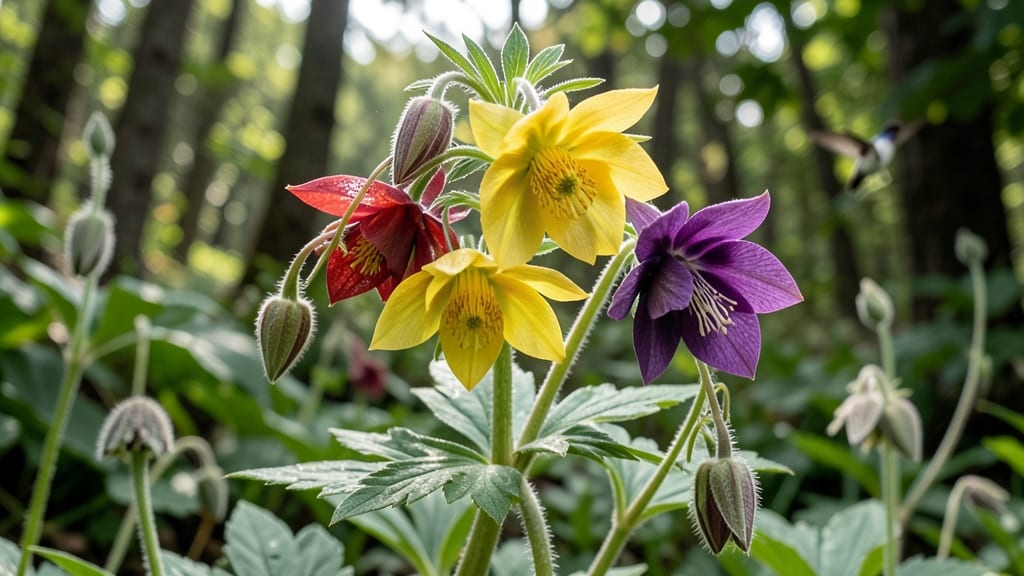
Early spring gardens can feel barren until these hardy perennials burst into bloom. These 10 cold-tolerant plants defy winter’s grip, offering vibrant color and pollinator support when most gardens are still dormant.
Crocus Flowers for Pollinators
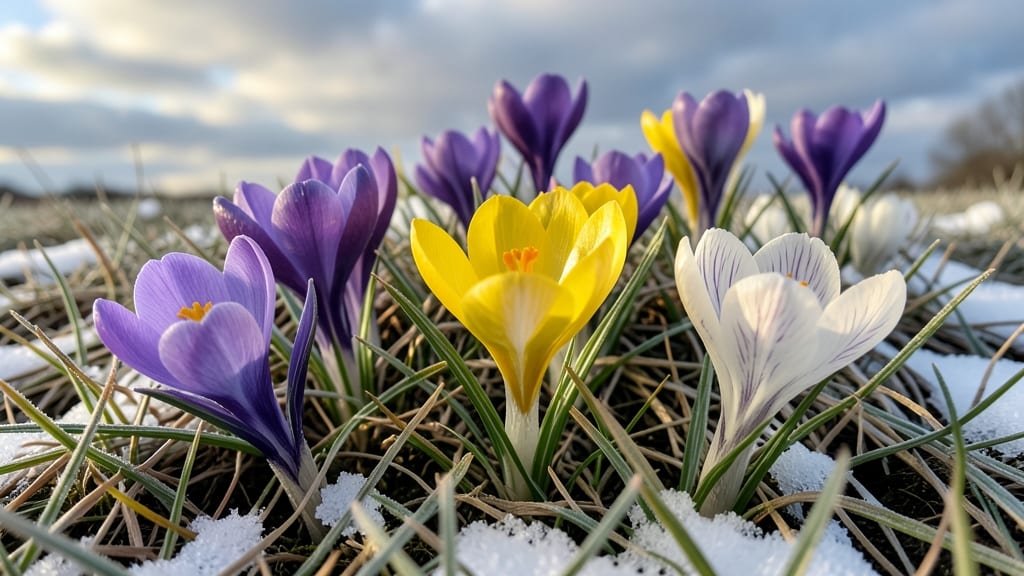
When the first whispers of spring arrive, crocus flowers are nature’s way of announcing the season’s return—often poking through snow or winter grass to welcome bees with their nectar-rich blooms.
These early spring pollinators thrive in full sun to partial shade, making them perfect for lawns, borders, or even rocky slopes. Plant bulbs in fall (4-6 inches deep) for winter dormancy followed by year-round naturalization—they’ll multiply and spread effortlessly over time. Choose varieties like Crocus vernus (dwarf Dutch crocus) or Crocus tommasinianus for vibrant purple, white, or striped blooms that last 2-3 weeks.
Ideal for beginners or busy gardeners, crocuses require zero summer maintenance—just let foliage die back naturally to feed next year’s blooms. Bees adore them, and deer usually avoid them, making them a low-effort, high-reward addition to any garden. ✨
Bleeding Heart Plant Varieties
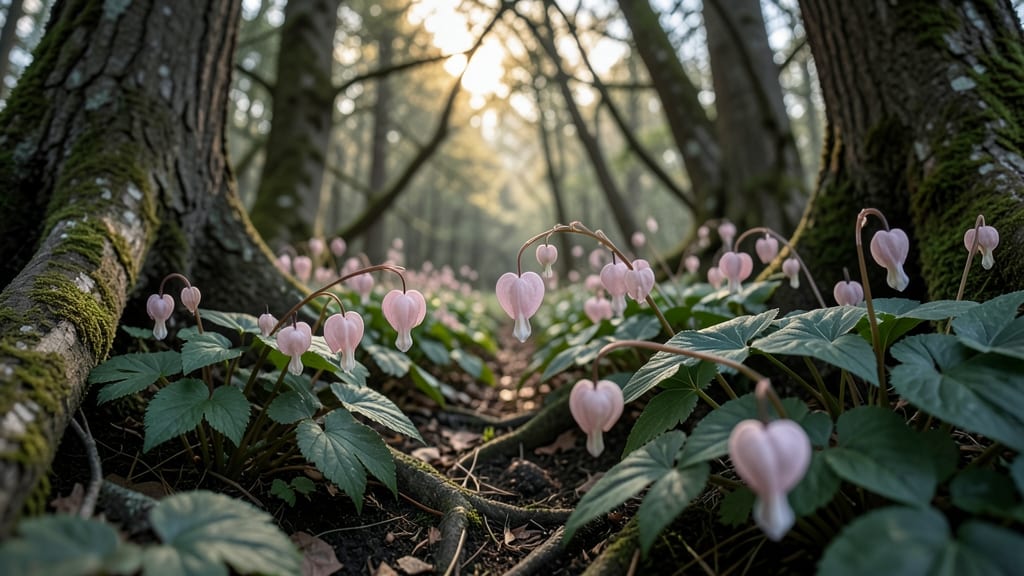
If your garden has spots where sunlight barely touches the ground, bleeding heart plants (Dicentra spectabilis) will transform those forgotten corners into lush, romantic displays. Unlike sun-loving perennials, these shade specialists thrive in woodland conditions or beneath mature trees, where they produce cascading clusters of heart-shaped blooms in soft pink, white, or red.
Choose from varieties like 'Belleville Pink' for classic charm or 'Alba' for pure white elegance. Plant tubers in fall or early spring in moist, well-draining soil with partial to full shade—they’ll reward you with 2-3 weeks of blooms in late spring. Deadhead spent flowers to encourage a second flush, and divide clumps every 3-4 years to maintain vigor.
Perfect for gardeners with shady spots or those seeking vertical drama, bleeding hearts pair beautifully with ferns and hostas. Their delicate foliage adds texture long after blooms fade. 💚
Daffodil Bulbs for Full Sun
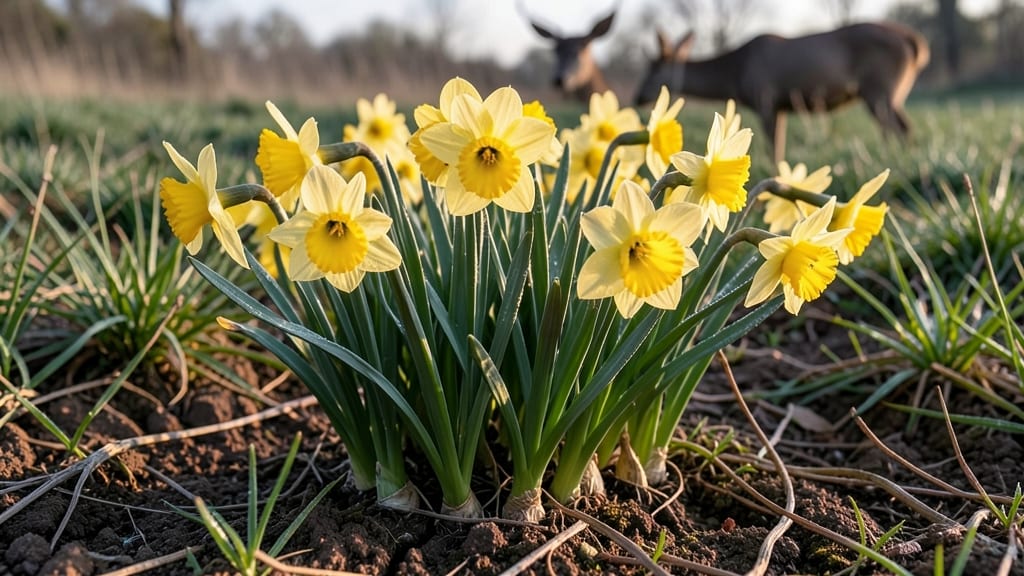
Tired of deer ravaging your garden or struggling with poor soil? Daffodils are the unsung heroes of early spring, delivering cheerful blooms while outsmarting both challenges. These bulbs not only multiply over time—often doubling in number each year—but their toxic foliage deters deer, rabbits, and even squirrels from snacking on your other plants.
Plant daffodil bulbs in full sun (at least 6 hours daily) and watch them thrive in almost any soil, including rocky or clay-heavy ground. For cottage gardens, mix varieties like 'Tête-à-Tête' (compact) or 'Ice Follies' (white) to create drifts that naturalize beautifully. Deadhead spent blooms to encourage bulb growth for next year’s show.
Perfect for beginners or busy gardeners, daffodils reward minimal effort with maximal impact—brightening borders, lawn edges, or even container gardens. 🌻
Hellebore Flowers in Shade
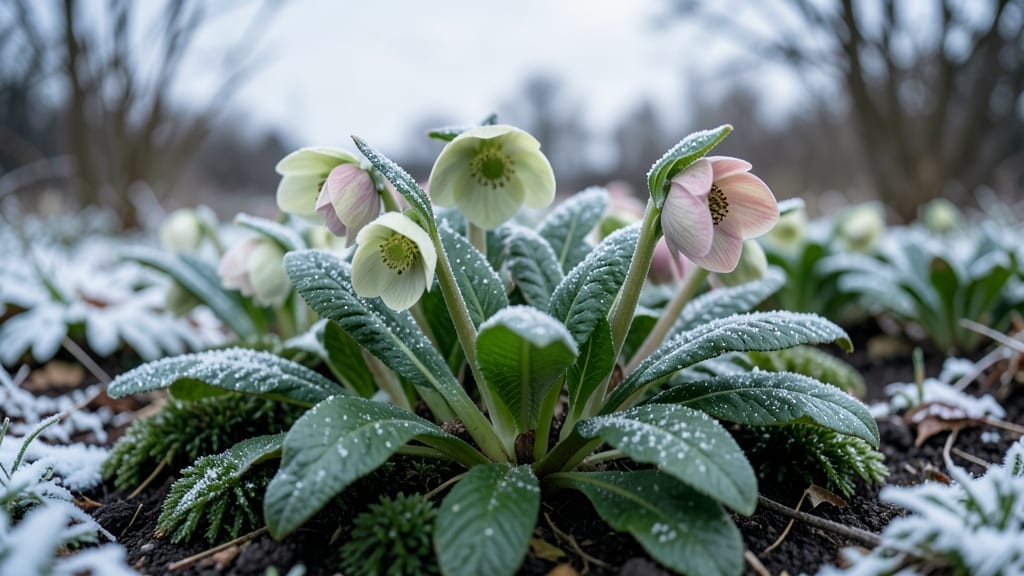
When your garden feels like a winter wasteland and most plants are still asleep, hellebores quietly steal the show. These frost-hardy perennials defy the cold with their evergreen foliage and delicate, nodding blooms that appear as early as late winter—sometimes even through snow.
Thriving in deep shade to partial shade, hellebores are the perfect solution for dark corners, under trees, or woodland gardens where other plants struggle. Their low-maintenance nature makes them ideal for busy gardeners: once established, they require minimal watering and tolerate poor, rocky soil. Choose from colors like white, pink, purple, or green for a subtle yet striking palette that lasts from winter through spring.
Perfect for beginner gardeners or those with challenging shade spots, hellebores bring year-round interest without the fuss. Plant them in clusters for a natural, woodland feel that thrives with almost no effort. 🌿
Pulsatilla Prairie Smoke
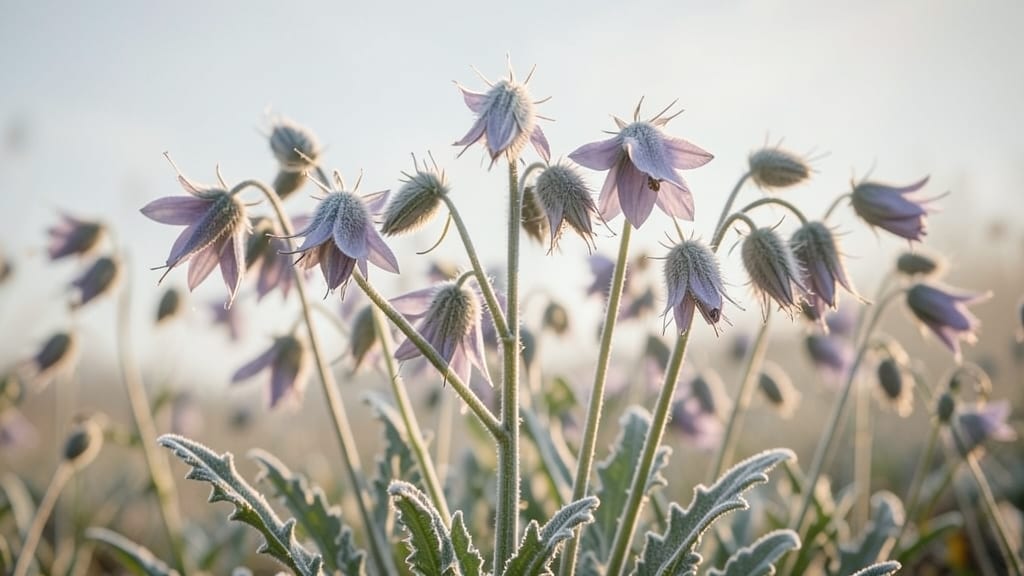
Imagine a perennial that dances with the wind, its delicate blooms swaying like a whisper in the breeze—Pulsatilla prairie smoke brings this ethereal charm to early spring gardens. Unlike rigid blooms, its feathery stems and airy flowers create movement that catches the eye long before summer arrives.
This hardy plant thrives in full sun to partial shade and prefers well-drained soil, making it ideal for wildflower meadows or cottage-style beds. Its blooms transition from soft pink to purple, followed by striking silvery seed heads that add winter interest. Deadhead spent blooms to encourage more flowers, but leave seed heads for texture and wildlife appeal.
Perfect for gardeners seeking low-maintenance drama, Pulsatilla naturalizes beautifully over time and pairs well with other early spring perennials like crocus or hellebore. 🌿
Lungwort Plant for Moisture
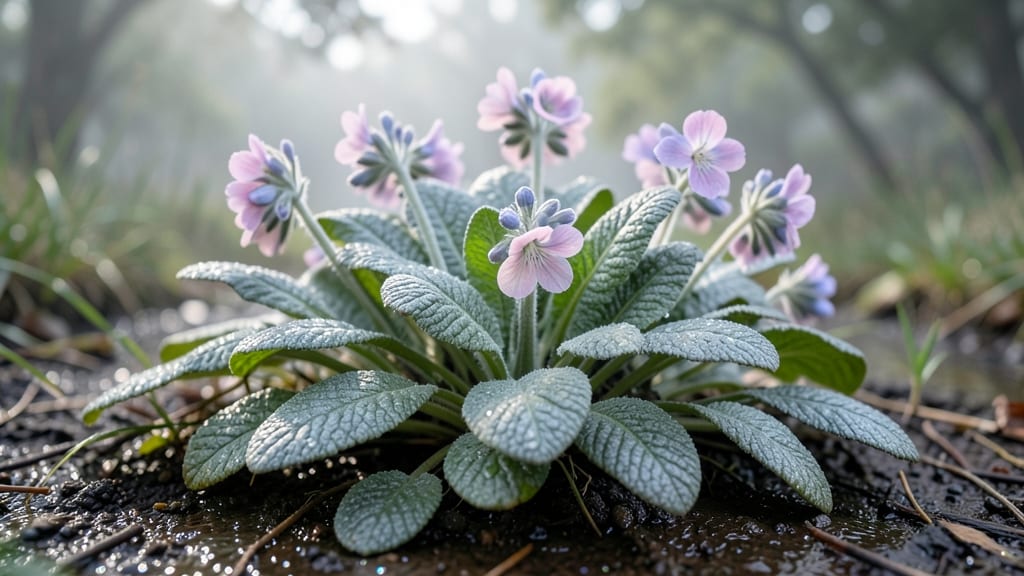
If your garden has soggy spots where other perennials struggle, lungwort (Pulmonaria) is your secret weapon. This underrated beauty thrives in moist, even wet soil, making it perfect for rain gardens, pond edges, or low-lying areas that stay damp.
The plant’s silver-spotted foliage adds striking texture year-round, while its early spring blue flowers (later turning pink) attract pollinators before most gardens wake up. It’s also deer-resistant and spreads slowly to form lush ground cover—ideal for shady spots where few plants survive.
Perfect for beginners or gardeners with challenging wet areas, lungwort brings both beauty and practicality to your spring garden. 💚
Snowdrops for Woodland Gardens
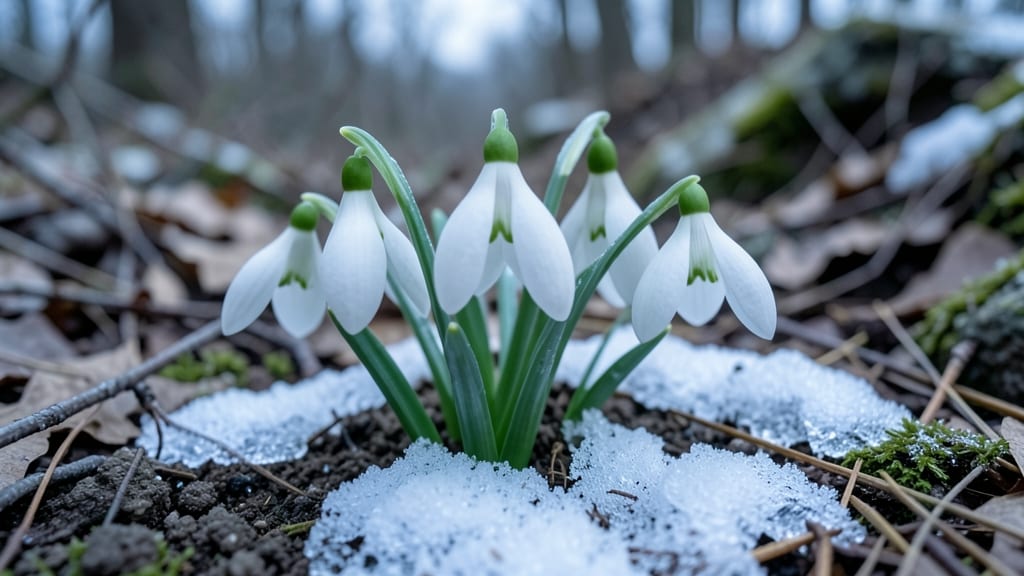
When winter refuses to let go, snowdrops (Galanthus) prove that spring is coming—literally. These delicate, bell-shaped blooms often push through snow to reveal their white faces, making them the ultimate symbol of resilience in shaded gardens.
Thriving in USDA Zones 3-9, snowdrops naturalize effortlessly in undisturbed woodland areas, where they multiply over time to form lush colonies. Plant bulbs in fall (October-November) in well-draining soil under deciduous trees or shrubs, where their partial to full shade preferences are perfectly met. They require minimal care—just avoid overwatering once established—and reward you with early blooms that last for weeks.
Perfect for gardeners seeking low-maintenance beauty in dark corners, snowdrops also attract early pollinators like bees and butterflies. Their subtle charm makes them a must-have for woodland gardens or as a living carpet under trees. 🌱
Allium Purple Globe
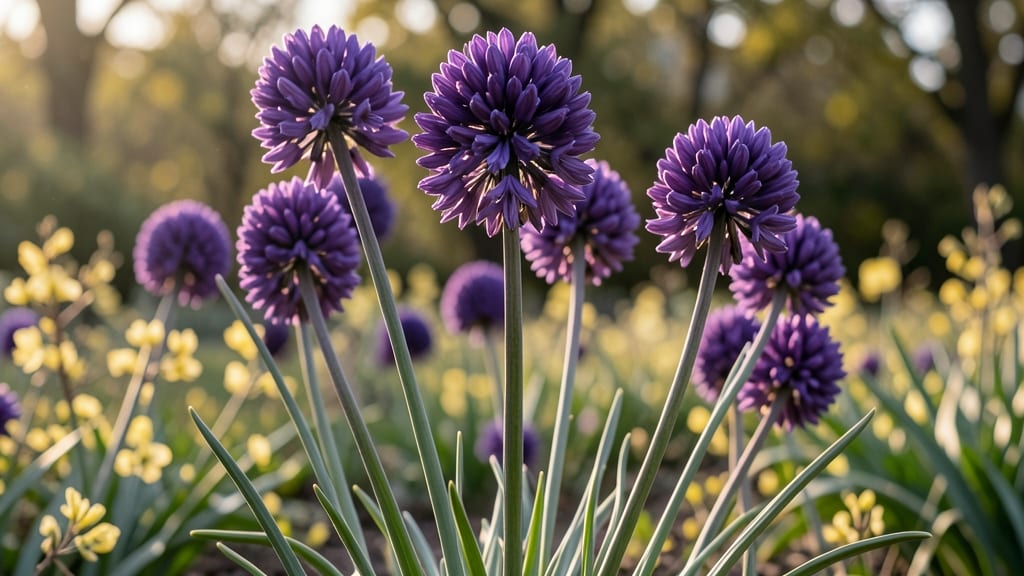
If you crave dramatic height and texture in your early spring garden without the fuss, Allium Purple Globe is your secret weapon. These globe-shaped blooms stand tall on slender stems, creating a striking focal point that draws the eye upward and attracts bees, butterflies, and other pollinators from the moment they emerge.
Thriving in full sun to partial shade, these perennials are incredibly low-maintenance—just plant them in well-draining soil and watch them multiply over time. Their purple spherical flowers bloom in late spring, offering a bold contrast to softer early bloomers like crocuses or snowdrops. Deadhead spent blooms to encourage a second flush, and you’ll enjoy their unique beauty well into summer.
Perfect for urban gardens, cottage-style beds, or pollinator-friendly meadows, Purple Globe Alliums bring effortless elegance to any space. 🌟
Fritillary Flowers for Pollinators
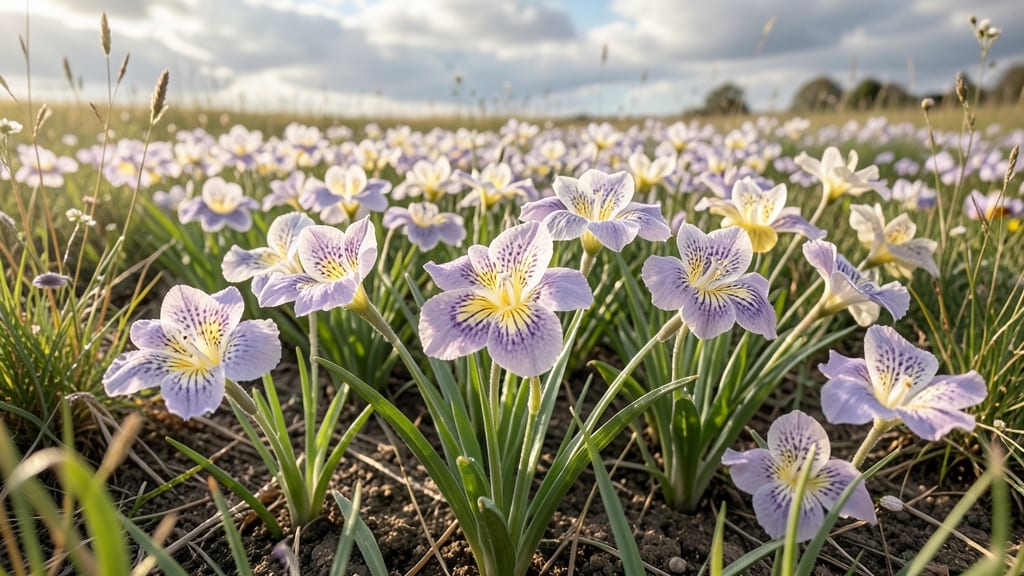
If you crave a garden that feels like a storybook, fritillary flowers bring whimsy with their checkered, lace-like blooms that dance in the breeze. These early spring stars thrive in meadows or borders, where they self-seed reliably, creating a carpet of delicate color year after year without constant replanting.
Plant them in well-drained soil with full sun to partial shade, and watch as their nodding flowers—often striped in pink, white, or purple—attract bees and butterflies. Varieties like Fritillaria meleagris (snake’s head fritillary) or Fritillaria imperialis (imperial crown) add height and drama, while their bulbous roots ensure they return season after season.
Perfect for pollinator gardens or cottage-style borders, fritillaries reward low-maintenance gardeners with effortless naturalization and a touch of fairy-tale magic. 🌷
Columbine Plant Varieties

Bring whimsical charm to your garden with columbine, the perfect pollinator magnet for partial shade. These nodding blooms come in vibrant colors like red, yellow, and purple, creating a cascading effect that hummingbirds adore. Their unique shape adds vertical interest without overwhelming smaller spaces.
Columbines thrive in partial shade and well-draining soil, making them ideal for woodland gardens or understory plantings. Deadhead spent blooms to encourage more flowers, and they’ll self-seed happily for years of effortless beauty. Choose varieties like 'Queen of Hearts' for deep pink blooms or 'Gold Heart' for sunny yellow flowers.
Perfect for gardeners who love low-maintenance perennials with high visual impact, columbines pair beautifully with ferns and hostas. Plant them in clusters to create a natural, cottage-garden feel. 🌷