
Blooming
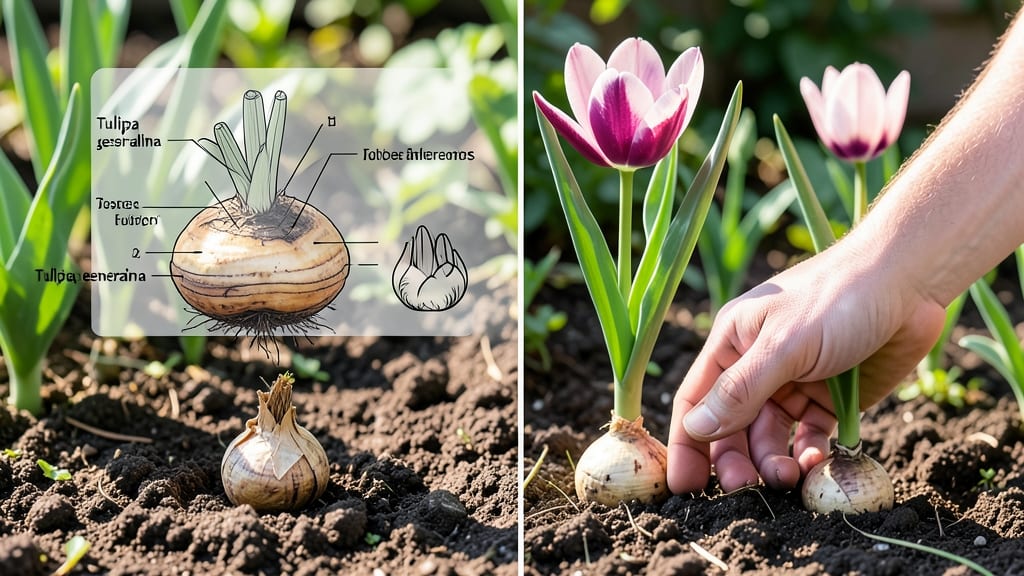
Tulip bulbs do not bloom only once—most varieties naturally rebloom each spring when given proper sunlight, soil nutrition, and consistent care. Some hybrid types may need extra attention to encourage repeat flowering, but with the right conditions, they can thrive for decades.
Tulips store energy in their bulbs during dormancy, which fuels their next blooming cycle. 🌱 The key to repeat flowering lies in how you care for them after the first bloom fades—letting foliage die back naturally replenishes the bulb's reserves.
I’ve seen gardeners extend their tulips’ lifespan for 10+ years simply by avoiding over-fertilization and providing well-draining soil. Even hybrid varieties, which sometimes bloom just once, can be coaxed into reblooming with patience and proper seasonal maintenance.
What many gardeners miss is that tulips need full sunlight (6+ hours daily) and balanced nutrients to perform well. Overwatering or rich soil can actually discourage reblooming by promoting excessive foliage growth at the expense of bulb storage.
The best time to fertilize is after flowering, using a low-phosphorus formula to support root development for next season.
💡 In This Article
- Tulip Bulb Life Cycle and Flowering Biology
- Tips for Encouraging Repeat Tulip Blooms
Tulip bulb life cycle and flowering biology
Tulip bulbs are biological powerhouses, storing energy in their layered scales like nature's own battery. Each bulb contains 10-20 layers of fleshy scales packed with starches and sugars—these nutrients fuel the entire blooming process.
When tulips flower in spring, they're essentially converting stored energy into growth, with 70-80% of their energy reserves consumed during the bloom cycle. This is why proper post-bloom care is critical: the foliage must continue photosynthesizing for 6-8 weeks after flowering to replenish these reserves for next year.
The blooming cycle begins when bulbs receive consistent temperatures above 50°F (10°C) after their winter dormancy. During dormancy, tulips undergo a process called vernalization—a cold-required period that triggers flowering hormones. Hybrid varieties often skip this natural cycle, which is why they may bloom just once unless carefully managed.
The bulb's apical meristem (growth center) determines whether it will produce flowers or focus on bulb division—this is the biological reason some tulips bloom annually while others may take years to return.
Light exposure plays a surprising role in reblooming success. Tulips need 6-8 hours of direct sunlight daily to maximize photosynthesis in their leaves. In shaded conditions, bulbs may produce foliage but fail to store enough energy for repeat blooms.
The chlorophyll in tulip leaves works overtime during this post-bloom period, converting sunlight into glucose that gets transported back to the bulb. I've seen gardeners in partial shade areas achieve reblooming by supplementing with grow lights during the critical 6-week recovery period.
Soil composition affects reblooming through water availability and nutrient balance. Tulips prefer well-draining soil with a pH between 6.0-7.0—too much moisture causes bulb rot, while sandy soils may not hold enough nutrients.
The ideal soil mix contains 20-30% organic matter to support microbial activity that breaks down nutrients into forms the bulbs can absorb. Heavy clay soils, common in many gardens, can actually strangle tulip bulbs by preventing proper oxygen exchange, which is why amending with compost is often necessary.
Temperature fluctuations create another critical factor. Tulips need winter chilling (below 40°F/4°C for 12-16 weeks) to break dormancy properly. Without this cold period, bulbs may produce foliage but no flowers. The science here involves plant hormones—specifically abscisic acid and gibberellins—that regulate dormancy and flowering.
Some hybrid varieties have been bred to reduce their chilling requirements, which is why they often bloom just once before requiring more intensive care to encourage repeat performance.
Understanding these biological processes helps explain why some tulip varieties seem to bloom only once. Species tulips (like Tulipa tarda) naturally rebloom annually with minimal care, while hybrid tulips (such as Darwin hybrids) may need 3-5 years of careful maintenance before establishing consistent reblooming patterns.
The key difference lies in their genetic programming for energy storage and resource allocation—something gardeners can work with through proper cultural practices.