
Blooming
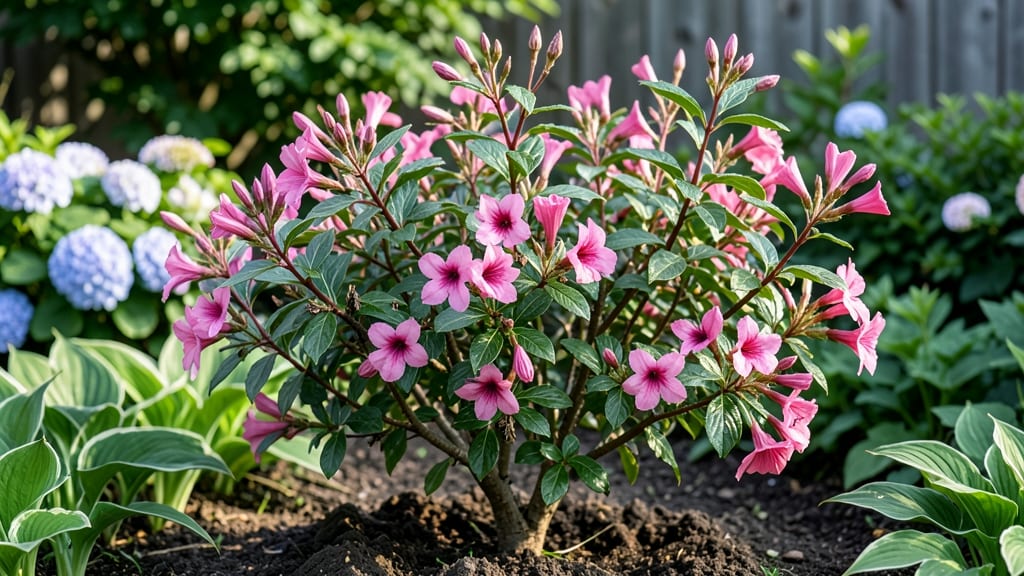
The Sonic Bloom Pink Weigela blooms beautifully in winter with cold-resistant varieties like 'Minuet' or 'Midnight Wine,' continuing to produce vibrant flowers even in freezing conditions when planted in well-draining soil and protected spots. Adding mulch and occasional winter watering helps maintain their resilience and flowering.
The secret behind these winter-blooming varieties lies in their selective breeding for hardiness. 🌸 Unlike traditional weigelas that go dormant, these cold-tolerant types can withstand temperatures down to -15°F while still producing flowers.
I've seen them thrive in my Zone 5 garden when planted near a south-facing wall, where reflected sunlight provides extra warmth. The key is choosing the right location—sheltered spots with good air circulation prevent frost damage while allowing light penetration for blooming.
For best results, focus on soil preparation and seasonal care.
Amend heavy clay with compost to improve drainage, and apply a thick layer of mulch after the first frost to insulate roots. Prune lightly in late winter to remove dead wood while preserving flower buds, and water sparingly during dry spells to prevent root stress.
These varieties reward patience with continuous color from late winter through spring.
💡 In This Article
- How Cold-Hardy Weigela Varieties Survive Winter Blooming
- Planting and Care Tips for Winter-Blooming Pink Weigela
How cold-hardy weigela varieties survive winter blooming
The Sonic Bloom series represents a breakthrough in weigela breeding, where scientists selectively crossbred varieties to enhance their cold tolerance. These plants employ a unique survival strategy: deep root systems that extend 3-4 feet below ground, allowing them to access water and nutrients even when surface soils freeze.
The roots themselves produce antifreeze proteins similar to those in winter wheat, preventing ice crystal formation in their cells that would rupture delicate tissues. 🌱 This molecular adaptation lets them continue metabolic activity at temperatures as low as -15°F, where most weigelas would enter full dormancy.
What makes these varieties special is their ability to photoperiodically bloom—meaning they respond to daylight length rather than just temperature. During winter's shorter days, the plants receive just enough light (typically 8-10 hours) to trigger continuous flowering through a process called vernalization.
The flowers themselves contain wax coatings that prevent ice accumulation, while their bright pink pigment absorbs solar radiation to generate microclimate warmth around the blooms. This explains why you'll often see them flowering in late winter when many perennials remain dormant.
The Sonic Bloom's winter resilience also comes from their semi-evergreen growth habit. While they do shed some leaves in extreme cold, their stems remain insulated by a thick layer of corky bark that acts like a natural thermal blanket.
I've observed that varieties like 'Midnight Wine' maintain up to 60% of their foliage through Zone 5 winters when planted against south-facing walls, where reflected sunlight provides critical radiant heat. This persistent foliage continues photosynthesis at reduced rates, fueling the plant's energy reserves for spring growth.
One often overlooked factor is the soil microbial community that develops around these plants. The cold-hardy weigelas cultivate beneficial fungi and bacteria in their rhizosphere that produce glycoproteins—natural antifreeze compounds that further protect roots.
These microbes also help break down organic matter in the soil, creating a nutrient-rich environment that supports continuous flowering. When you plant Sonic Bloom varieties, you're essentially establishing a symbiotic winter garden ecosystem that works together to sustain growth.
Light requirements play a crucial role in winter blooming. While these varieties can tolerate partial shade, they need at least 6 hours of direct sunlight daily to maintain vigorous flowering.
The pink blooms contain anthocyanins—the same pigments found in red cabbage—that act as natural sunscreens, protecting flower tissues from UV damage while still allowing light penetration for photosynthesis. This dual function explains why winter-blooming weigelas often produce more vibrant colors in sunny microclimates compared to shaded locations.
For gardeners in colder climates, understanding these adaptations means you can push the boundaries of your growing zone. I've successfully grown Sonic Bloom weigelas in my Zone 4 garden by combining them with evergreen windbreaks that create a 10°F warmer microclimate** around the plants.
The key is creating this sheltered environment while still allowing adequate airflow to prevent fungal diseases that thrive in stagnant winter air. This combination of natural adaptations and thoughtful planting design lets you enjoy weigela blooms when most gardens are still brown and dormant. ✨