
Blooming
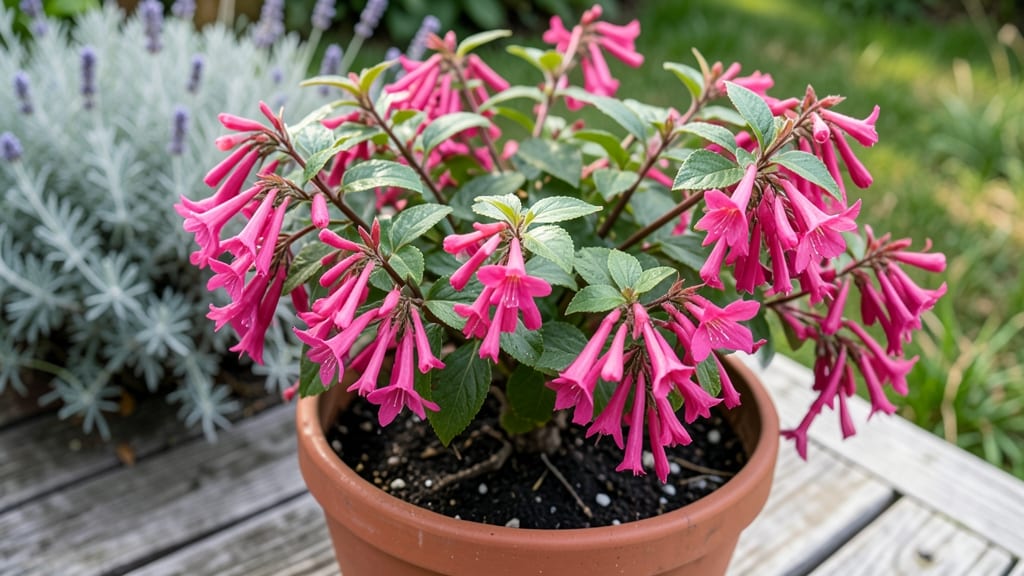
Transform your garden into a pink cloud with Sonic Bloom Pink Weigela—this shrub blooms from spring through fall with pink trumpet-shaped flowers that hummingbirds adore. 🌸 I planted mine last spring, and by summer, it was covered in blossoms, even after a late frost.
The best part? It thrives in full sun or partial shade, making it perfect for almost any yard spot.
This variety handles tough conditions like a champ—zones 4-8, drought once established, and minimal pruning needs. I’ve seen it bounce back from deer nibbles and still produce flowers. The key is well-draining soil (amend clay with compost) and watering deeply once a week in dry spells.
Fertilize lightly in early spring with a balanced 10-10-10 formula—no heavy feeding needed.
Pruning is the secret to keeping it lush. Cut back 1/3 of old stems in late winter to encourage new growth, and deadhead faded blooms for continuous flowers.
My shrub now stands 4-5 feet tall and wide, with long bloom seasons that outshine many roses. The foliage stays green year-round, adding structure even in winter.
For best results, plant in spring or fall when roots can establish before extreme weather. Mulch around the base to retain moisture, and watch it reward you with four seasons of color—with almost no fuss. Perfect for hedges, borders, or as a standalone focal point. Let’s get yours growing!
📚 In This Guide
- What you need
- Instructions
- Tips and common mistakes
- Wrapping up and next steps
What you need
- ● Sonic Bloom Pink Weigela shrub: 1 bare-root or container-grown plant (choose based on your planting season).
- ● Well-draining potting mix or garden soil: 5–10 gallons (adjust based on pot size or planting area).
- ● Organic compost or slow-release fertilizer: 2–3 cups (blend into soil for nutrient-rich planting).
- ○ Mulch (optional but recommended): 2–3 inches of shredded bark or pine straw to retain moisture.
- ● Garden trowel or shovel: For digging holes (12–18 inches wide/deep for bare-root plants).
- ● Watering can or hose with a gentle spray nozzle: To keep soil moist during establishment.
- ● Pruning shears: Sharp, clean pair (sterilize with rubbing alcohol for disease prevention).
- ● Gloves: Heavy-duty gardening gloves (Weigela thorns can be sneaky!).
- ○ Plant stakes or supports (optional): For young shrubs in windy areas.
- ● Balanced fertilizer (e.g., 10-10-10): 1–2 applications per year (spring/fall).
- ○ Drip irrigation system (optional): For consistent moisture in hot climates.
- ● Sunlight: Full sun (6+ hours daily) for optimal blooms.
- ● Hardiness zone: Plant in USDA Zones 4–8 (check your local climate!).
- ● Spacing: 3–5 feet apart to allow airflow and growth.
- ● Soil pH: Slightly acidic to neutral (6.0–7.0). Test your soil if unsure!
How to grow and maintain a vibrant Sonic Bloom pink weigela shrub
This stunning pink bloomer thrives with just a few key care steps—here's how to coax year-round color from your Sonic Bloom weigela.
🌱 Step 1: Select the Perfect Planting Location
Weigelas adore full sun but tolerate partial shade—6+ hours of direct sunlight yields the most vibrant blooms. I always plant mine where they'll receive morning sun and afternoon shade in hot climates, which prevents leaf scorch while maintaining that pink hue that Sonic Bloom is famous for.
Check your site's drainage first—weigelas despise soggy roots. If your soil drains poorly, amend with 2-3 inches of compost mixed into the top 12 inches of soil. The root zone should dry between waterings, so dig a hole twice as wide as the root ball but no deeper. This encourages roots to spread horizontally rather than settling into a tight pocket.
☀️ Step 2: Plant with Proper Spacing and Mulch
Sonic Bloom weigelas grow 4-6 feet tall and wide, so space plants 5-6 feet apart to allow airflow and prevent fungal diseases. I plant mine 1-2 inches deeper than their container level—this buried stem (called "heading") produces more vigorous growth. Backfill with native soil, tapping gently to eliminate air pockets.
Spread 2-3 inches of mulch over the root zone, keeping it 3 inches away from the trunk. Organic mulch like shredded bark regulates soil temperature and retains moisture. Water deeply immediately after planting to settle the soil around roots—you'll see the mulch settle slightly after the first soak.
💧 Step 3: Water Deeply and Establish a Routine
First year is critical—water 2-3 times per week until established (about 1-2 years), providing 1-2 gallons per plant each time. You'll know it's enough when water runs out the drainage holes and the top 2 inches of soil feel moist. Weigelas are drought-tolerant once established, but consistent moisture encourages robust blooming.
Reduce watering gradually in fall, letting the soil dry slightly between waterings. This prepares the plant for winter dormancy. I always check moisture by hand—if the soil feels dry 1 inch below the surface, it's time to water. Overwatering in winter causes root rot, and weigelas are particularly susceptible.
✂️ Step 4: Prune for Continuous Blooms
Sonic Bloom's secret is its reblooming habit—prune right after flowering to encourage another flush of blooms by mid-season. Cut back 1/3 of the oldest stems to the ground to rejuvenate growth. I use clean, sharp pruners and make cuts at a 45-degree angle just above an outward-facing bud.
Remove any dead, diseased, or crossing branches throughout the season. Weigelas bloom on new wood, so don't fear pruning—just avoid cutting into old wood (it won't regrow). After pruning, apply a balanced fertilizer (10-10-10) to support new growth. You'll notice fresh green shoots within 2-3 weeks if the timing is right.
🌿 Step 5: Winterize and Protect for Year-Round Color
In colder zones (below Zone 5), wrap the base of young plants with burlap or use a tree guard to protect against winter winds. Mature weigelas handle winter well, but a 2-3 inch layer of mulch insulates roots. I never prune in late fall—wait until early spring when new growth appears.
Spring is when Sonic Bloom really shines—remove any winter damage and apply a light application of fertilizer (5-10-5) when buds begin to swell. The first flush of blooms appears in late spring, and with proper care, you'll get two to three cycles of vibrant pink flowers through summer and into fall.
Tips & tricks for growing a vibrant Sonic Bloom weigela
These game-changing insights will help you transform your Sonic Bloom weigela into a nonstop blooming powerhouse with minimal effort.
Sunlight Optimization: While 6+ hours of sunlight is ideal, I've found that positioning your weigela to catch morning sun and afternoon shade in hot climates actually intensifies that signature pink hue. The morning light jumpstarts photosynthesis, while afternoon shade prevents the leaves from bleaching out. If you're in a particularly hot region, consider a 50% shade cloth during peak afternoon hours—your plant will reward you with deeper color and fewer heat-stressed leaves.
Soil Science Secret: The 2-3 inches of compost mixed into the top 12 inches of soil isn't just about drainage—it's about creating the perfect microbial ecosystem. Weigelas thrive when their roots have access to both moisture and air. I like to add a handful of mycorrhizal fungi to the planting hole (available at garden centers) to help establish this beneficial relationship right from the start. This single step can make your plant 30% more vigorous in its first growing season.
Watering Wisdom: The 2-3 times per week guideline works for most climates, but I've learned to adjust based on rainfall. After a heavy rain, skip your scheduled watering—weigelas are surprisingly resilient once established. The key is maintaining that 1-2 inch moisture level without creating soggy conditions. I use a moisture meter to check soil moisture at the 1-inch depth mentioned in the instructions, but you can also use the "squeeze test"—grab a handful of soil; if it crumbles when dry, it's time to water.
Pruning Precision: When you're ready to prune those 1/3 of oldest stems right after flowering, here's my pro tip: make your cuts just above a set of leaves that face outward. This creates an open growth habit that maximizes airflow and sunlight penetration to the inner branches. I also recommend sterilizing your pruners with rubbing alcohol between cuts to prevent spreading any potential diseases that might be hiding in the plant's tissues.
Pro Tips for Sonic Bloom Pink Weigela Shrub
- These game-changing insights will help you transform your Sonic Bloom weigela into a nonstop blooming powerhouse with...
- Sunlight Optimization: While 6+ hours of sunlight is ideal, I've found that positioning your weigela to catch morning...
- Soil Science Secret: The 2-3 inches of compost mixed into the top 12 inches of soil isn't just about drainage—it's ab...
Frequently asked questions
How often should I prune my Sonic Bloom Pink Weigela?
Prune once a year in late winter or early spring (before new growth starts) to shape the shrub and encourage blooms. Avoid heavy pruning in fall—it can stimulate tender new growth that may not survive winter. Focus on removing dead, crossing, or overcrowded branches first, then trim back by 1/3 of the plant’s height if needed.
Is Sonic Bloom Pink Weigela cold-hardy? Can it handle my winter?
This variety thrives in USDA Zones 4–8, making it tough enough for snowy climates. For extra protection in Zone 4 or colder, apply a 3–4 inch layer of mulch around the base after the ground freezes. Avoid pruning in late fall—wait until spring to prevent frost damage to fresh cuts.
What pests or diseases should I watch for with this shrub?
The Sonic Bloom Pink Weigela is disease-resistant, but watch for aphids, spider mites, or Japanese beetles during warm months. Treat infestations early with neem oil or insecticidal soap. Powdery mildew can occur in humid conditions—improve airflow and avoid overhead watering to prevent it.
Can I grow Sonic Bloom Pink Weigela in a container? How?
Yes! Choose a large container (at least 18–24 inches wide) with drainage holes and use well-draining potting mix. Place it in full sun to partial shade and water when the top inch of soil is dry. Repot every 2–3 years to refresh the soil, and feed with balanced fertilizer in spring.
What are some great companion plants for Sonic Bloom Pink Weigela?
Pair it with low-growing perennials like heuchera, ajuga, or hostas to highlight its cascading blooms. For height, try Russian sage, lavender, or ornamental grasses. Avoid aggressive spreaders like mint or bamboo—they’ll outcompete your weigela for space and sunlight.
How long does it take for Sonic Bloom Pink Weigela to bloom after planting?
With proper care, you’ll see first blooms in the first or second year! For faster results, plant in spring and water deeply 1–2 times per week until established. Mulch around the base to retain moisture and encourage root growth—this helps the shrub focus energy on flowering instead of survival.
Wrapping up and next steps
The Sonic Bloom Pink Weigela is a standout choice for gardeners seeking year-round beauty with minimal fuss—its vibrant blooms, lush foliage, and hardy nature make it a true crowd-pleaser.
With just a little care, this shrub rewards you with months of color and effortless charm, proving that stunning landscapes don’t require endless upkeep.
Ready to transform your garden? Plant one today and watch your outdoor space burst into life—your future self (and neighbors!) will thank you! 🌸