
Blooming
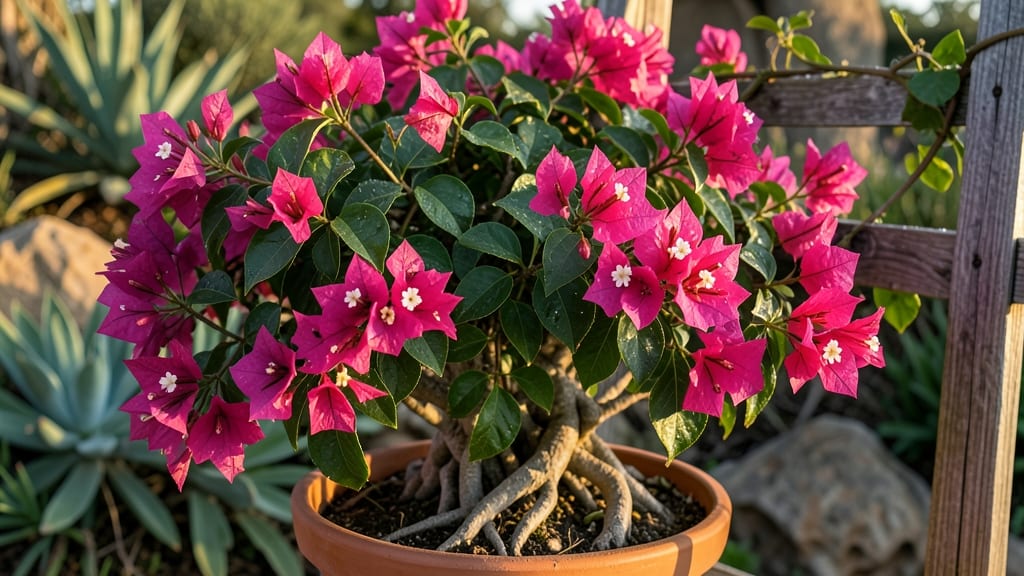
Your patio could be draped in Island Bloom bougainvillea’s fiery pink and magenta blooms by next summer—if you nail the heat, sun, and container setup. 🌺 This tropical stunner isn’t just for coastal climates; with the right care, it thrives in pots from Zone 9 through Zone 11, turning balconies into mini paradises.
The secret lies in mimicking its natural habitat: bright light, fast-draining soil, and minimal fuss once established.
Start with a 15-gallon container (or larger for mature plants) and mix cactus/succulent mix with perlite for that critical drainage—bougainvillea hates soggy roots.
Place it where it gets 6+ hours of direct sun daily (morning sun is ideal in hot climates), and water only when the top inch of soil feels bone-dry. Overwatering is the #1 killer, but don’t stress: once rooted, this plant’s drought-tolerant roots store water like a pro.
By late spring, you’ll see those paper-thin, vibrant bracts (the showy “flowers”) emerging in waves, especially after a light pruning. The more you trim back leggy growth, the bushier—and more bloomy—it gets.
Even in winter, keep it alive with bright indoor light and reduced watering; it’ll bounce back like nothing happened when temperatures warm again.
Troubleshooting is simple: no blooms? Too much shade or fertilizer. Yellow leaves? Overwatering or poor drainage. And yes, those thorns are real—wear gloves when pruning, but don’t let that stop you. With this care routine, your bougainvillea will reward you with year-round color that makes neighbors green with envy.
📚 In This Guide
- What you need
- Instructions
- Tips and common mistakes
- Wrapping up and next steps
What you need
- ● Bougainvillea plant: Start with a healthy Island Bloom variety (bare-root or potted). Choose a size that fits your container—small (6-12"), medium (12-24"), or large (24"+).
- ● Container: A well-draining pot with drainage holes (minimum 12" diameter for small plants, 18"+ for mature growth). Terra cotta or fabric pots are ideal!
- ● Potting mix: 1 gallon of a fast-draining cactus/succulent mix (or amend regular mix with 30% perlite/pumice for aeration).
- ● Slow-release fertilizer: 1 cup of 10-10-10 or 14-14-14 granular fertilizer (blend into soil at planting).
- ● Pruning shears: Sharp, sterilized shears (or small hand pruners) for trimming.
- ● Gloves: Heavy-duty gardening gloves (bougainvillea thorns are no joke!).
- ● Watering can or hose with nozzle: For gentle, deep watering (avoid overhead spray).
- ○ Mulch (optional but helpful): 1-2 inches of gravel or pebbles (retains heat, prevents soil splash).
- ● Epsom salt: 1 tbsp mixed into soil for magnesium boost (promotes vibrant blooms!).
- ● Time-release fertilizer spikes: For extra nutrient support during blooming season.
- ● Support trellis or cage: If training your bougainvillea to climb or shape it.
- ● Plant food spray: For foliar feeding (diluted fish emulsion or seaweed extract).
- ● Sunlight meter or app: To track 6+ hours of direct sun daily.
Step-by-step instructions for growing Island Bloom bougainvillea in containers
Here’s how I transform this vibrant tropical into a thriving container specimen that blooms year-round in the right conditions.
🪴 Step 1: Select the Right Container and Drainage
Bougainvillea roots need room to spread—choose a 12-18 inch diameter pot with multiple drainage holes. I use unglazed terra cotta because it breathes and prevents root rot in the humid conditions bougainvillea loves. If your pot lacks holes, drill four ½-inch holes along the bottom to ensure excess water escapes.
Line the bottom with 2-3 inches of gravel or broken pottery to create an air pocket. This prevents soil from clogging the drainage holes and keeps roots oxygenated. Bougainvillea hates soggy feet—waterlogged roots will cause leaves to yellow and drop within days.
☀️ Step 2: Prepare Well-Draining Soil and Position for Full Sun
Fill the pot with a cactus/succulent mix blended with 20% perlite or pumice for extra drainage. I avoid garden soil—it compacts and suffocates roots. Mix in a slow-release granular fertilizer (10-10-10) at planting time for a 3-month nutrient boost. The soil should feel light and crumbly, like a dry sponge.
Place your bougainvillea in a south-facing spot where it gets 6+ hours of direct sun daily. If you’re in a cooler climate, a west-facing window works best—bougainvillea won’t bloom without strong light. Watch for leggy growth (stems stretching toward light) as a sign it needs more sun.
💧 Step 3: Water Deeply and Establish a Routine
Water only when the top 2 inches of soil feel dry—bougainvillea is drought-tolerant once established, but young plants need consistent moisture. I use the finger test: stick your finger in the soil. If it’s damp 1 inch down, wait another day. Overwatering is the #1 killer—yellow leaves and black stems mean you’re drowning the roots.
When watering, soak the soil until it drains freely from the bottom holes. Empty the saucer 30 minutes later to prevent root rot. In summer heat, you may water every 2-3 days; in winter, stretch it to once a week. Bougainvillea stores water in its thick stems—wilting is normal during dry spells but the plant recovers quickly once watered.
✂️ Step 4: Prune for Shape and Encourage Blooms
Prune right after flowering to shape the plant and encourage denser, bushier growth. Use clean, sharp pruners to cut back one-third of the current season’s growth—this stimulates new branching. I avoid heavy pruning in winter unless you’re in a frost-free zone, as bougainvillea blooms on new wood formed in warmer months.
Pinch back new growth tips when they’re 4-6 inches long to promote bushiness. Remove spent blooms regularly—this redirects energy into new flower production. If your bougainvillea grows too tall for its pot, prune the top third to maintain balance. Never prune into bare wood—always leave a leaf node for regrowth.
🌿 Step 5: Feed and Protect for Year-Round Blooms
Fertilize every 4-6 weeks during spring and summer with a balanced liquid fertilizer (20-20-20). In fall and winter, switch to a low-nitrogen formula (like 5-10-10) to encourage next year’s blooms. I dilute fertilizer to half-strength—bougainvillea is sensitive to salt buildup, which causes leaf burn (brown edges).
Protect from frost (below 32°F) by moving pots indoors or covering with frost cloth. If you live in USDA Zones 9-11, bougainvillea can stay outside year-round. In cooler areas, reduce watering in winter—the plant enters a dormant phase and needs less moisture. Watch for pests like mealybugs (white cottony clusters)—treat with neem oil if spotted.
Tips & tricks for perfect Island Bloom bougainvillea in containers
Here's what I've learned from years of nurturing these stunning tropicals to keep them thriving and blooming like crazy.
Container Size Matters: That 12-18 inch diameter pot isn't arbitrary—bougainvillea roots spread aggressively. If you notice roots circling the bottom after 12-18 months, it's time to upgrade to a larger container. The extra space gives roots room to explore while maintaining that perfect balance of soil-to-plant ratio. I've seen plants in undersized pots develop root-bound stress, which shows up as stunted growth and fewer blooms.
Soil Mix Secrets: The 20% perlite or pumice isn't just for drainage—it creates tiny air pockets that prevent compaction. I like to add a handful of coarse sand to the mix for even better aeration. The key is to make the soil feel like it would crumble if you squeezed it, not hold together like wet clay. You can test this by grabbing a handful: if it stays in a ball, add more perlite.
Sunlight Strategy: Those 6+ hours of direct sun are non-negotiable, but here's the trick: rotate your container every 2-3 weeks. This prevents the plant from growing lopsided toward the light source. I mark the pot with a small piece of tape to track rotation direction. In cooler climates, supplement with a grow light for 4-6 hours daily during winter months when natural light diminishes.
Frost Protection Hack: When temperatures drop near that critical 32°F threshold, I've found that moving pots to a sheltered spot against a south-facing wall works wonders. The wall absorbs and radiates heat, providing an extra degree or two of protection. For added insurance, wrap the pot in bubble wrap (leave drainage holes uncovered) to create an insulating barrier around the roots.
Pro Tips for Island Bloom Bougainvillea
- Here's what I've learned from years of nurturing these stunning tropicals to keep them thriving and blooming like crazy.
- Container Size Matters: That 12-18 inch diameter pot isn't arbitrary—bougainvillea roots spread aggressively.
- Soil Mix Secrets: The 20% perlite or pumice isn't just for drainage—it creates tiny air pockets that prevent compaction.
Frequently asked questions
How fast does Island Bloom Bougainvillea grow, and how big will it get?
Island Bloom is a vigorous grower, often adding 12–24 inches per year with proper care. In containers, it typically stays compact (3–6 feet tall/wide), but in the ground, it can sprawl up to 10–15 feet with training. Prune regularly to control size and encourage bushier blooms!
When is the best time to plant or repot Island Bloom Bougainvillea?
Plant in spring or early summer after the last frost when temperatures are consistently above 50°F (10°C). Avoid winter planting—this tropical beauty hates cold soil. For repotting, do it in late winter or early spring before new growth begins.
How often should I water Island Bloom Bougainvillea, and what’s the deal with the paper-thin leaves?
Water when the top 1–2 inches of soil are dry (usually every 2–3 days in summer, less in winter). Overwatering causes yellowing, drooping, or paper-thin leaves—a sign of root stress. Ensure well-draining soil and a pot with drainage holes to prevent soggy roots.
Why isn’t my Island Bloom Bougainvillea flowering? What triggers blooms?
Blooms thrive with sun (6+ hours/day), stress (light drought), and pruning. If it’s leafy but not flowering, try:
- Prune back by 1/3 in spring to encourage new growth.
- Move to sunnier spot (even partial shade can reduce blooms).
- Let soil dry slightly between waterings (but don’t drought-stress it!).
Can Island Bloom Bougainvillea survive winter, and how do I protect it?
This variety is tender perennials—they’ll die back in frost (below 30°F/-1°C). In cold climates:
- Move pots indoors (garage, bright window) or wrap in burlap + bubble wrap.
- Prune dead growth in early spring before new shoots emerge.
- Avoid fertilizing in winter—focus on hydration.
What are some low-maintenance alternatives to Island Bloom Bougainvillea?
If you want colorful, heat-loving, and easy-care plants, try:
- Portulaca (Moss Rose): Drought-tolerant, blooms all summer, thrives in poor soil.
- Lantana: Hardy, attracts pollinators, and blooms nonstop with minimal fuss.
- Verbena: Compact, colorful, and perfect for containers or borders.
- Plumbago (Leadwort): Similar trailing habit, loves heat, and blooms blue/purple.
Wrapping up and next steps
Growing Island Bloom Bougainvillea is a rewarding journey that brings vibrant color and tropical charm to your space—even in containers! 🌺 With the right care, this heat-loving beauty will thrive, offering stunning blooms year after year.
Whether you're a seasoned gardener or just starting, your effort will be met with a flourishing, eye-catching centerpiece.
Ready to watch your bougainvillea bloom? Start by choosing the perfect container, ensuring proper drainage, and giving it the sunlight it craves. Then, monitor its needs and enjoy the process—your tropical oasis is just a few steps away! 🌴