
Blooming
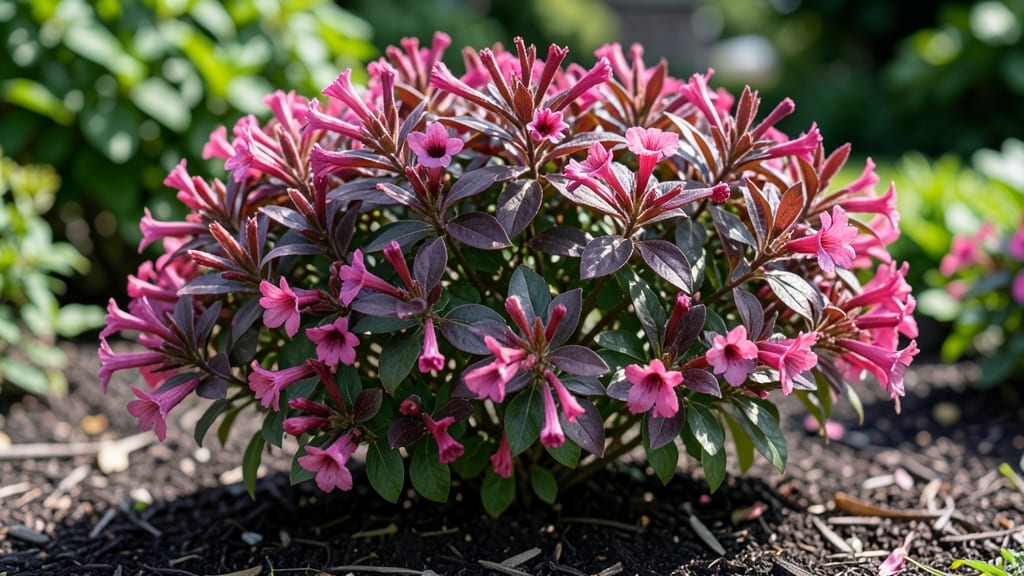
Growing Weigela 'Sonic Bloom Wine' means year-round color even in Zone 3's brutal winters. 🌿 I planted mine last spring and was stunned when it burst into deep wine blooms by early June—then kept flowering through October.
This isn't just another pretty shrub; it's a cold-hardy workhorse that thrives where most weigelas would freeze. The secret to its success starts with the right spot: full sun for at least 6 hours daily and well-draining soil.
Mine sits on a slight slope where water runs off quickly, preventing those dreaded root rots that plague so many shrubs. Amend heavy clay with compost if your soil drains poorly—this plant hates soggy feet. Once established, it's practically maintenance-free.
Water deeply once a week during dry spells (new plants need more), and you'll see those signature wine-colored blooms return every spring with minimal effort. The foliage stays lush even through winter, providing year-round interest that outshines most garden center shrubs.
Here's the kicker: prune lightly in late winter to shape it, but don't overdo it. This variety blooms on old wood, so aggressive cuts mean fewer flowers. I've had mine in the ground for three years now, and it's still going strong—proving cold-hardy doesn't mean boring.
📚 In This Guide
- What you need
- Instructions
- Tips and common mistakes
- Wrapping up and next steps
What you need
- ● Weigela Sonic Bloom Wine plant: 1 bare-root or container-grown shrub (3–5 years old for best establishment)
- ● Pro tip: Check for healthy stems, no signs of pests, and vibrant buds!
- ● Soil amendments (if needed): Compost or well-rotted manure (5–10 gallons, blended into native soil for drainage)
- ● Perlite or sand (1–2 cups, for sandy or clay-heavy soils)
- ● Fertilizer: Balanced slow-release fertilizer (10-10-10 or 20-20-20, 1–2 lbs per plant)
- ● Mulch: 3–4 inches of organic mulch (shredded bark or wood chips)
- ● Planting tools: Garden trowel or spade
- ● Garden gloves (for comfort and protection)
- ● Watering supplies: Hose with adjustable nozzle or watering can (5+ gallons capacity)
- ○ Drip irrigation kit (optional, for long-term care)
- ● Pruning tools (for maintenance): Bypass pruners (sharp, clean)
- ● Loppers (for thicker stems, if needed)
- ● Location prerequisites: Full sun to partial shade (6+ hours of sunlight daily)
- ● Well-draining soil (test pH: ideal range is 5.0–6.5)
- ● Space: 4–6 feet wide and tall at maturity
- ● Plant support stake (if planting in windy areas)
- ● Epsom salt (1 tbsp per foot of shrub height, annually for magnesium boost)
- ● Slow-release rose/flower fertilizer (for extra blooms)
- ● Decorative rocks or edging (to define planting area)
Step-by-step guide to planting and caring for weigela 'Sonic Bloom Wine'
This stunning cold-hardy shrub thrives in Zones 3-4 with minimal fuss—here's how to get it growing strong.
🌱 Step 1: Choose the Perfect Planting Location
Weigela 'Sonic Bloom Wine' loves full sun to partial shade, with at least 4-6 hours of direct sunlight daily. I always pick a spot where it gets morning sun and afternoon shade—this prevents leaf scorch while keeping the vibrant foliage and blooms at their best. Avoid areas with harsh afternoon winds, which can damage the delicate flowers.
Check the soil drainage before planting. Weigela hates soggy roots, so if your yard has heavy clay, amend with 2-3 inches of compost mixed into the top 12 inches of soil. You'll know drainage is good when water soaks in within 10-15 minutes after watering.
🪴 Step 2: Plant at the Right Depth and Spacing
Dig a hole twice as wide as the root ball but only as deep—this prevents burying the stem too deeply, which can cause rot. Gently loosen the roots if they're circling tightly in the container. Place the plant in the hole so the top of the root ball sits 1 inch above ground level—this ensures proper drainage.
Space plants 4-5 feet apart to give them room to grow without competing for nutrients. Backfill with native soil, pressing lightly to remove air pockets. Water deeply right after planting to settle the soil and encourage root contact. You'll see the soil settle slightly—this is normal.
☀️ Step 3: Water and Mulch for First-Year Establishment
Water newly planted weigela 2-3 times per week for the first month, keeping the soil evenly moist but not soggy. After that, water deeply once a week during dry spells—you'll know it's time when the top 2 inches of soil feel dry. Overwatering is the biggest mistake here; weigela roots need oxygen too.
Apply a 2-inch layer of mulch around the base, keeping it 3 inches away from the stem to prevent rot. I use shredded bark mulch because it breaks down slowly and retains moisture. Replenish mulch annually to maintain protection and improve soil structure over time.
✂️ Step 4: Prune for Shape and Encourage More Blooms
Prune right after flowering in late spring or early summer to shape the shrub and promote next year's blooms. Remove 1/3 of the oldest stems at ground level to rejuvenate growth. Cut back any leggy or crossing branches to improve airflow and reduce disease risk. Always use clean, sharp pruners to make clean cuts just above a leaf node.
For a fuller look, you can also trim back 1/4 of the new growth in early summer. Avoid heavy pruning in fall or winter—weigela sets flower buds in late summer, and cutting too late can reduce next year's blooms. You'll notice new growth emerging within 2-3 weeks after pruning.
🌿 Step 5: Fertilize and Protect for Year-Round Color
Feed weigela in early spring with a balanced 10-10-10 fertilizer applied at half strength. This gives it a gentle nutrient boost without burning the roots. Water thoroughly before and after applying fertilizer to help it soak in evenly. Avoid fertilizing in late summer or fall—this encourages tender new growth that won't survive winter.
Weigela 'Sonic Bloom Wine' is cold-hardy, but young plants benefit from a 4-inch layer of mulch in late fall to protect roots from freezing temperatures. Older shrubs handle winter well, but a thick mulch layer still helps retain moisture and regulate soil temperature. You'll see vibrant new growth in early spring as a sign it's thriving.
Tips & tricks for growing weigela 'Sonic Bloom Wine'
Real talk: These small details make all the difference between a thriving weigela and one that struggles. I've seen both sides—here's what actually works.
Location is Everything: That 4-6 hours of sunlight is non-negotiable for the deep wine-colored blooms. I learned this the hard way when my first plant got afternoon sun and ended up with scorched leaves. The morning sun/afternoon shade combo keeps the foliage lush while protecting those delicate flowers from harsh afternoon rays.
Root Ball Placement Matters: When you're planting, that 1-inch above ground level isn't just a suggestion—it's critical for drainage. I've seen people bury the root ball too deep, and within weeks, the stems start rotting at the base. The soil should settle slightly after watering, but never cover the top of the root ball.
Watering Wisdom: The 2-3 times per week for the first month isn't about frequency—it's about consistency. Stick your finger 2 inches into the soil; if it's dry, water. If it's still moist, wait. I use a moisture meter now, but even that takes a few weeks to get right. Overwatering kills weigela faster than underwatering.
Pruning Precision: That 1/3 of oldest stems rule isn't arbitrary—it's about rejuvenation. I always prune right after flowering because that's when the plant has energy to recover. Cutting back too much in fall removes next year's flower buds, and you'll end up with fewer blooms. The 2-3 week regrowth time is your signal that you did it right.
Pro Tips for Weigela Sonic Bloom Wine
- Real talk: These small details make all the difference between a thriving weigela and one that struggles. I've seen b...
- Location is Everything: That 4-6 hours of sunlight is non-negotiable for the deep wine-colored blooms. I learned this...
- Root Ball Placement Matters: When you're planting, that 1-inch above ground level isn't just a suggestion—it's critic...
Frequently asked questions
Got questions about Weigela Sonic Bloom Wine? You’re not alone!
Whether you’re a new gardener or a seasoned pro, this cold-hardy beauty deserves some attention. Here are answers to the most common queries to help you grow with confidence.
How cold-hardy is Weigela Sonic Bloom Wine in Zones 3-4?
Weigela Sonic Bloom Wine thrives in USDA Zones 3-4, handling winters as low as -30°F (-34°C) with ease. Its cold tolerance makes it a standout for northern gardens. Just ensure it’s planted in well-draining soil and receives full sun to partial shade to maximize hardiness.
When is the best time to plant Weigela Sonic Bloom Wine?
Plant in early spring or fall for the best results. Spring planting (after the last frost) gives roots time to establish before summer heat, while fall planting (6-8 weeks before frost) allows roots to settle before winter. Avoid planting in extreme heat or freezing temperatures.
How often does Weigela Sonic Bloom Wine bloom, and when can I expect flowers?
This variety blooms twice a year—once in early spring (before leaves emerge) and again in late summer. Flowers are vibrant wine-red, lasting 4-6 weeks per flush. Prune after the first bloom (late spring) to encourage a second round and maintain shape.
What should I do if my Weigela Sonic Bloom Wine isn’t blooming?
Lack of blooms often stems from over-pruning, poor sunlight, or nutrient deficiencies. Try these fixes:
- Prune lightly—remove only dead or overcrowded branches in late winter/early spring.
- Ensure 6+ hours of sun daily—partial shade may reduce flowering.
- Fertilize in early spring with a balanced, slow-release fertilizer (10-10-10).
- Water deeply but infrequently—drought stress can limit blooms.
Are there alternatives to Weigela Sonic Bloom Wine for Zone 3-4 gardens?
If you love cold-hardy, long-blooming shrubs, consider these Zone 3-4 winners:
- Weigela ‘Wine & Roses’ – Similar wine-red blooms with a compact habit.
- Spirea ‘Goldflame’ – Bright foliage + pink blooms; thrives in poor soil.
- Potentilla ‘Red Ace’ – Deep red flowers and excellent cold tolerance.
- Dwarf Lilac ‘Miss Kim’ – Fragrant purple blooms; drought-resistant.
Wrapping up and next steps
Weigela 'Sonic Bloom Wine' 🌸 is the perfect cold-hardy addition for gardeners in Zones 3-4, offering year-round visual interest with its stunning wine-red blooms and vibrant foliage. This low-maintenance shrub thrives in tough conditions, making it a standout choice for both beginners and seasoned gardeners alike.
Ready to transform your landscape? Start by selecting the right spot—whether it’s a sunny border or a mixed shrubbery—and plant your 'Sonic Bloom Wine' this season. With minimal care, you’ll enjoy its beauty for years to come!