
Blooming
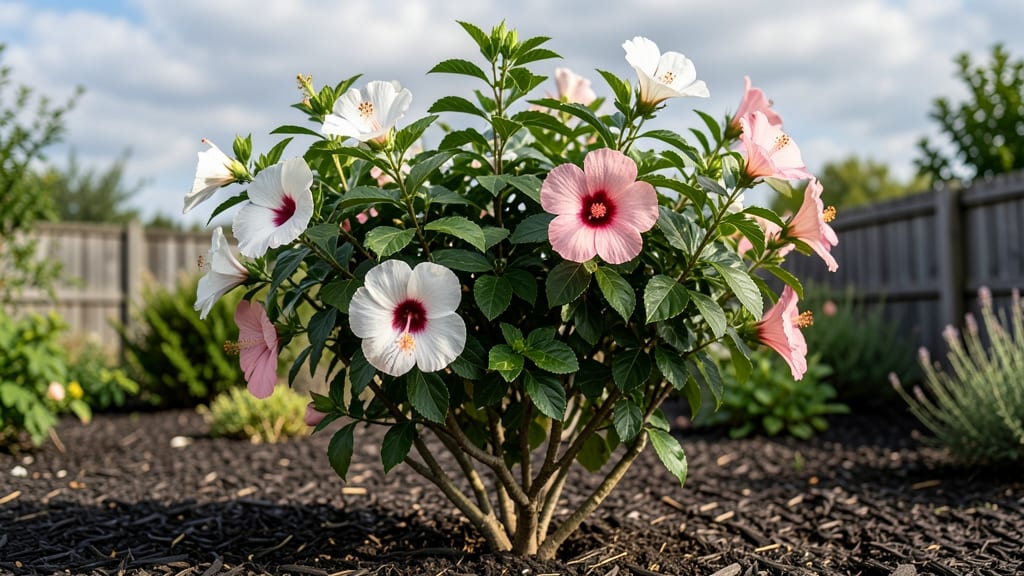
The Rose of Sharon bloom season typically stretches from late summer to fall, turning gardens into vibrant canvases of lavender-blue clusters 🌸.
If you’ve ever admired the stunning clusters of lavender-blue flowers that transform your garden in late summer, you’re likely familiar with the Rose of Sharon—but do you know exactly when and how long its breathtaking blooms last each year?
Timing is everything for maximizing its beauty, and this guide reveals the secrets to planning around its peak bloom periods, from USDA Zone 6a to warmer regions.
You’ll discover how sunlight, pruning, and even soil pH can extend those show-stopping blooms by weeks—plus the 3 key mistakes that cut the season short.
Rose of Sharon bloom season: exact timing by US hardiness zones
The Rose of Sharon (Hibiscus syriacus) is famous for its vibrant, late-summer blooms, but its exact bloom season depends heavily on your USDA hardiness zone. Generally, blooms appear between July and October, but regional climate differences can shift this window by weeks.
Understanding your zone helps you time pruning, fertilization, and garden planning for maximum impact. Let’s break down what to expect across zones 5 through 9—where most gardeners grow this hardy shrub.
In cooler northern zones (5–6), blooms often start in mid-to-late July, peaking in August before tapering by early October. Southern zones (7–9) enjoy earlier starts—late June to early July—and may extend blooms until November, especially in mild winters.
Temperature plays a key role: warmer climates push blooms earlier, while cooler zones delay them until heat stabilizes. Sunlight also matters—full sun (6+ hours daily) ensures robust blooms, while partial shade may delay or reduce flowering.
| USDA Zone | Typical Bloom Start | Peak Bloom Period | Bloom End | Key Climate Factor |
|---|---|---|---|---|
| Zones 5–6 | Mid-July | August | Early October | Cooler nights delay start |
| Zones 7–8 | Late June | July–September | Late October | Warmer winters extend season |
| Zones 9 | Early June | June–October | November (mild climates) | Heat tolerance delays frost |
Pruning timing can also shift bloom seasons. If you prune too late in spring (after buds form), you’ll delay blooms by 2–4 weeks. For earlier blooms, prune in late winter or early spring (February–March)—this encourages new growth that flowers by summer.
Conversely, light summer pruning (after the first bloom cycle) can trigger a second flush of flowers in late summer or fall, extending your display.
Regional variations matter too. In humid Southern climates, blooms may start earlier but fade faster due to heat stress. In drier Western zones, consistent watering (especially in summer months) prevents bud drop and prolongs flowering.
Even urban heat islands can advance bloom times by 1–2 weeks compared to rural areas. Pay attention to your local microclimate—your Rose of Sharon will thank you with longer, more vibrant blooms.
🌿 Pro Tip: Track your plant’s bloom dates for 3 years to spot trends. If blooms consistently arrive late, consider moving to a sunnier spot or adjusting your pruning schedule.
Some reblooming cultivars (like 'Blue Bird' or 'Diana') produce two flushes—plan your garden around these extended seasons for year-round color.
Temperature swings can also impact bloom duration. A sudden cold snap in September might cause buds to drop prematurely, while consistent warmth (like in Zone 9) lets blooms linger until frost.
If you’re in a transitional zone (6–7), watch for early fall frosts—they often signal the end of the season. In these areas, mulching in late summer can insulate roots and sometimes coax a few extra weeks of blooms.
Sunlight is non-negotiable for timing. Less than 6 hours of sun can delay blooms by 3+ weeks and reduce flower quantity. If your Rose of Sharon gets partial shade, prioritize eastern or southern exposure—morning sun is gentler and less likely to scorch buds.
In shadier gardens, choose dwarf varieties like 'Little Richard', which tolerate lower light better than standard shrubs.
🌸 Early vs. Late Bloomers: Some cultivars are bred for specific bloom windows. 'Annabelle' blooms earlier (June–July), while 'Lavender Chiffon' peaks in August–September. If you love continuous color, mix varieties—plant early bloomers near late bloomers to create a staggered, months-long display.
This trick works especially well in small gardens where space is limited.
Finally, don’t overlook the role of soil health. Well-draining, slightly alkaline soil (pH 6.5–7.5) ensures strong root systems that support abundant blooms.
If your soil is too acidic, amend with lime in early spring to boost flowering. Over-fertilizing with nitrogen (like lawn fertilizer) can lead to leafy growth at the expense of flowers—stick to a balanced 10-10-10 fertilizer applied in spring and early summer for best results.
How long do Rose of Sharon flowers last? Duration and reblooming tips
The Rose of Sharon (Hibiscus syringifolius) typically produces its first bloom flush for 3–6 weeks, with some repeat-blooming cultivars like 'Amethyst Showers' extending this to 8 weeks under ideal conditions.
Most varieties bloom once annually, but with proper care, they can produce two bloom cycles—one in late spring and another in mid-to-late summer. Understanding these patterns helps you plan for stunning seasonal displays.
In USDA zones 5–9, blooms usually appear between July and October, with peak intensity in August. However, early bloomers (like 'Diana') may start as early as June, while late bloomers can linger into November in warmer climates.
The duration of each flush depends on temperature, sunlight, and pruning practices—all factors we’ll explore to maximize your plant’s performance.
Key Bloom Duration Facts
- 🌸 Single bloom cycle: Most varieties flower for 3–4 weeks in late summer.
- 🌿 Repeat bloomers: Cultivars like 'Amethyst Showers' can rebloom for 6–8 weeks with proper care.
- ☀️ Sunlight impact: 6+ hours of full sun extends bloom duration by 1–2 weeks compared to partial shade.
- ✂️ Pruning timing: Late-winter pruning (before buds swell) encourages longer, fuller blooms in the same season.
- 💧 Watering consistency: Deep watering 2x/week during blooming prevents wilting and prolongs flower life.
If you’re growing Hibiscus syringifolius (the species), expect one main bloom cycle in late summer, while cultivars like 'Annabelle' or 'Blue Bird' often rebloom lightly in early fall.
The key to extending bloom duration lies in pruning—cutting back 1/3 of the oldest stems in late winter promotes new growth that blooms earlier and longer. This technique works best for repeat-blooming types like 'May Night' or 'Pink Perfection'.
For longer-lasting blooms, focus on soil health and nutrient balance. A balanced 10-10-10 fertilizer applied in early spring and mid-summer supports robust flower production. Avoid over-fertilizing with nitrogen, as this encourages leafy growth at the expense of blooms.
Instead, opt for a low-nitrogen, high-phosphorus blend (like 5-10-10) during the blooming season to keep flowers vibrant and abundant.
Regional climate plays a huge role in bloom duration. In warmer zones (8–9), Rose of Sharon blooms may last 2–3 weeks longer than in cooler zones (5–6) due to extended growing seasons.
If you’re in a shorter-season zone, choose early-blooming cultivars like 'Lavender Lady' or 'White Chiffon' to maximize your display. Mulching with 2–3 inches of organic matter also helps regulate soil temperature, which can delay frost damage and preserve blooms longer.
To encourage reblooming, deadhead spent flowers regularly—this redirects the plant’s energy into producing new buds rather than seed development. Pair this with light pruning after the first flush to remove overcrowded stems, which improves airflow and reduces disease risk.
With these strategies, you can double your bloom season from 6 weeks to 12+ weeks—turning your garden into a year-round floral showpiece!