
Blooming
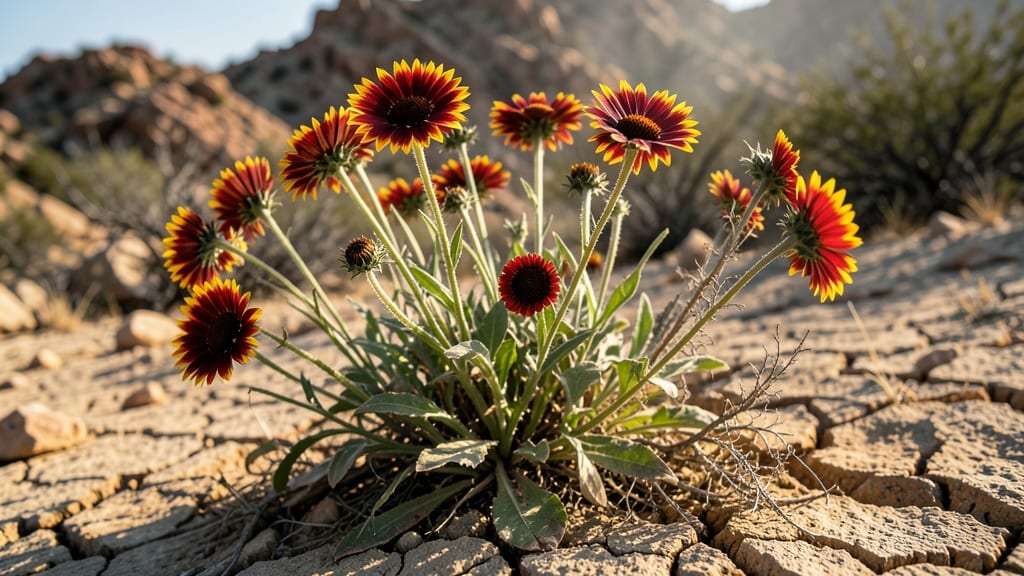
Extend your garden's beauty into fall with these 10 hardy perennials that thrive in late summer. Perfect for gardeners seeking low-maintenance plants that deliver vibrant blooms when many others fade away.
Black-Eyed Susan Rudbeckia Hirta
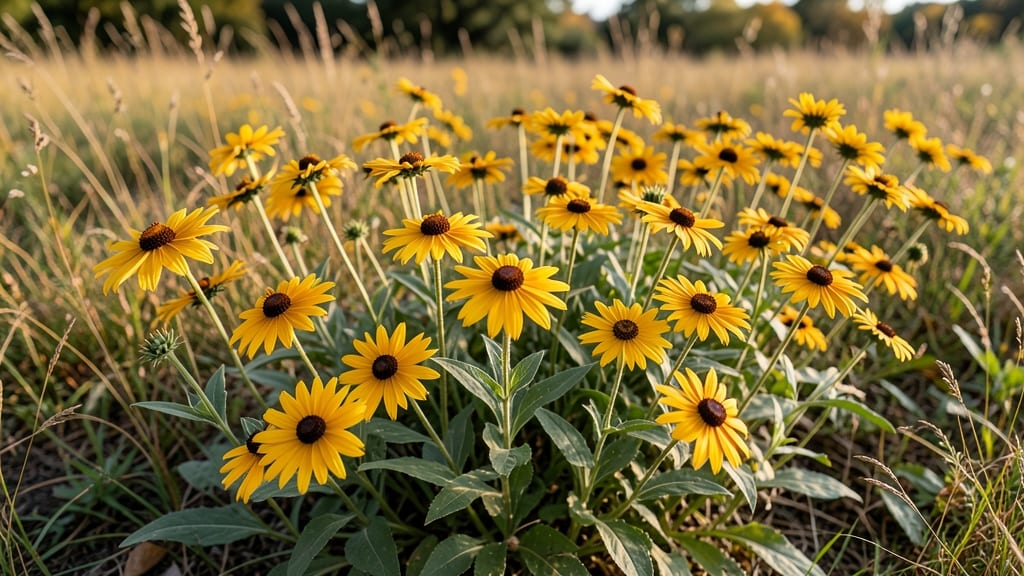
When your garden starts to lose its summer sparkle, Black-Eyed Susan (Rudbeckia hirta) steps in as a cheerful late-season hero. This drought-tolerant perennial blooms from mid-summer through fall, offering golden-yellow daisy-like flowers that never fail to brighten borders or wildflower meadows.
Plant it in full sun to partial shade where it will thrive with minimal care—just water occasionally once established. Its deer-resistant foliage makes it a favorite for rural gardens, while the nectar-rich blooms attract bees, butterflies, and birds. Deadheading spent flowers encourages more blooms until frost.
Perfect for beginners or busy gardeners, Black-Eyed Susan delivers year-round structure with its upright habit and long bloom time. 🌻
Russian Sage Perovskia Atriplicifolia
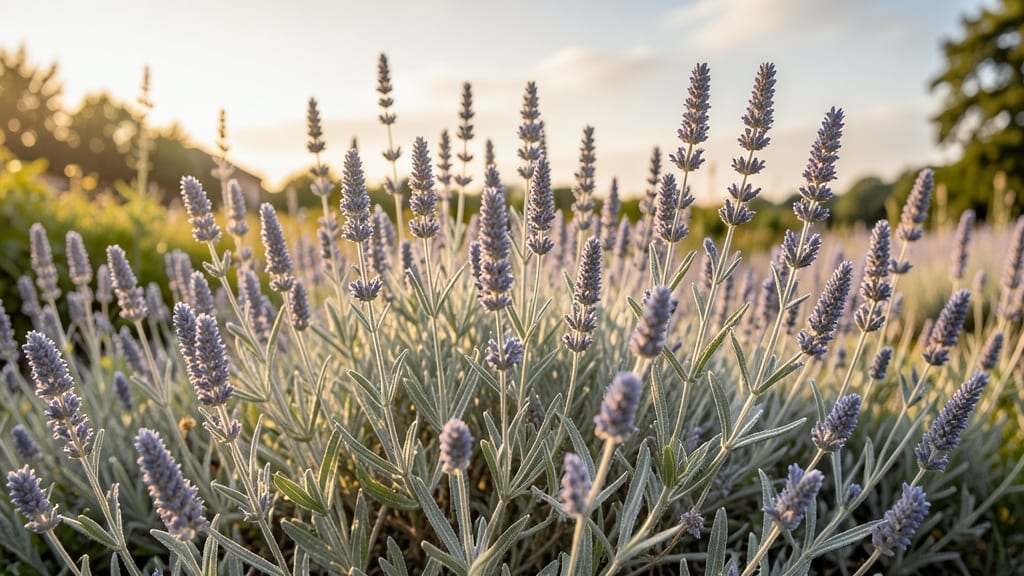
When your garden starts to fade in late summer, Russian sage steps in with aromatic silver-blue spikes that smell like sage and attract pollinators for weeks. This drought-tolerant workhorse thrives where others struggle, making it a cottage garden staple.
Plant Perovskia atriplicifolia in full sun with well-drained soil—it handles heat and drought once established. The silvery foliage adds texture year-round, while the fragrant blooms (July through October) draw bees and butterflies. Shear back stems after flowering to encourage bushier growth next season.
Perfect for dry climates or pollinator-friendly borders, Russian sage adds height (3-5 feet) and fragrance without the fuss. Cottage gardeners will love how it pairs with lavender or catmint for a dreamy, low-maintenance look. ✨
Coneflower Echinacea Purpurea
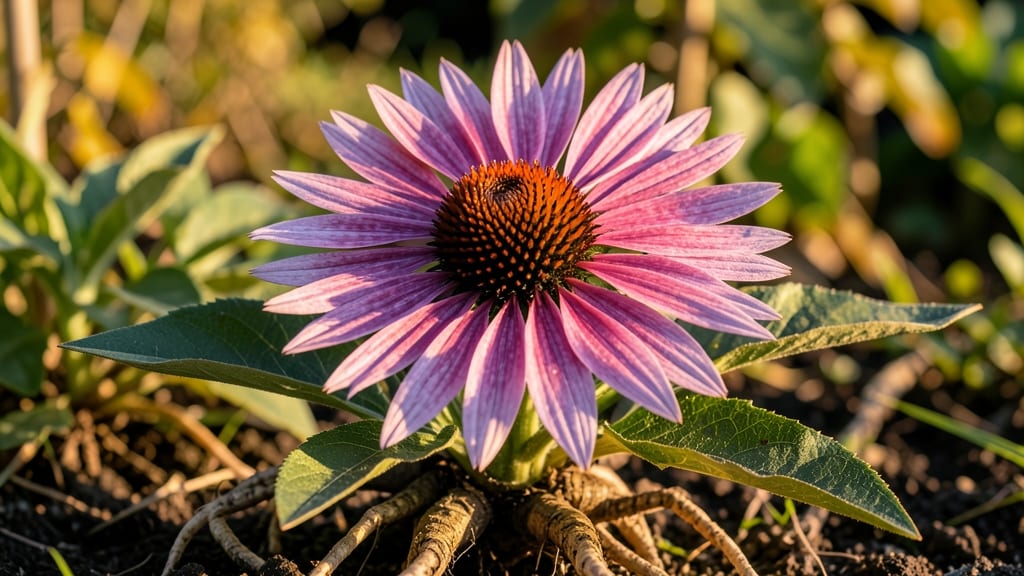
Looking for a plant that works hard for your garden and your wellness routine? Coneflower (Echinacea purpurea) is the ultimate multitasker—its striking pink-purple blooms feed pollinators while its roots have been used for centuries in herbal remedies to support immune health.
This late-summer stunner thrives in full sun with well-drained soil and requires minimal care once established. Deadhead spent blooms to encourage more flowers, and you'll enjoy long-lasting cut flowers that stay fresh for up to a week in a vase. It's also deer-resistant, making it a smart choice for rural gardens.
Whether you're creating a medicinal herb garden or a pollinator-friendly landscape, coneflower delivers beauty, benefits, and resilience—all while keeping your garden buzzing with life. 🌻
Goldenrod Solidago Virgaurea
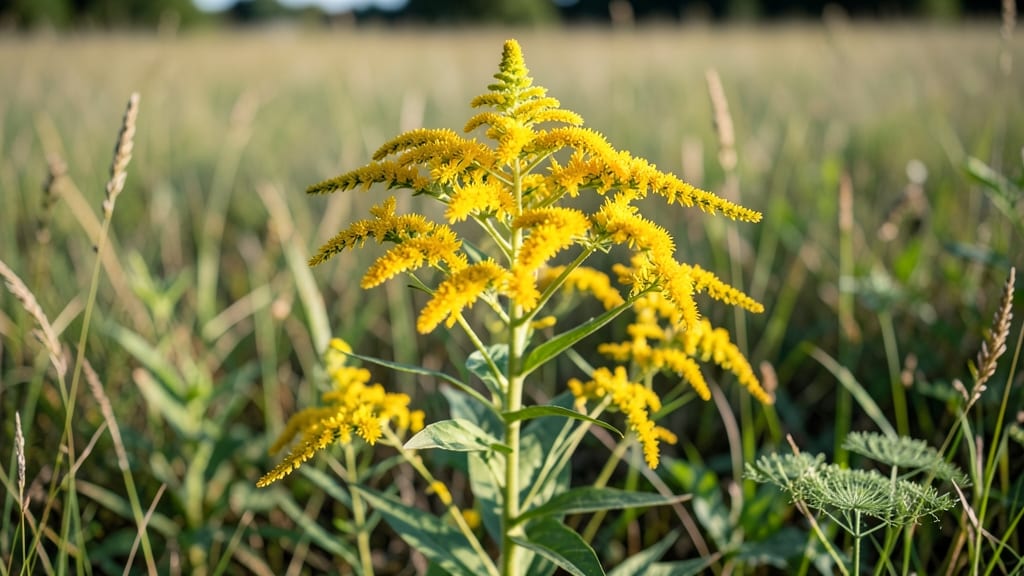
If you’ve ever blamed goldenrod for your summer allergies, it’s time to clear the air—this bright yellow pollinator magnet is actually a non-allergenic superstar that thrives in conditions most plants avoid. While ragweed (the real culprit) lurks in the shadows, goldenrod stands tall in full sun to partial shade, turning neglected corners into buzzing hubs for bees and butterflies.
Native to meadows and roadsides, Solidago virgaurea thrives in poor, rocky, or sandy soil where other perennials struggle, making it perfect for naturalized areas or wildflower gardens. Its late-summer-to-fall blooms (August through October) provide color when many gardens fade, and its feathery plumes add texture to dried arrangements. Simply deadhead spent blooms to encourage more flowers and prevent self-seeding where you don’t want it.
This is the ideal plant for low-maintenance gardeners or those restoring native habitats—it’s drought-tolerant, deer-resistant, and supports biodiversity without demanding attention. Plant it in masses for a golden sea effect or mix it with asters and coneflowers for a pollinator-friendly fall display. 🌻
Sedum Autumn Joy Sedum Spectabile
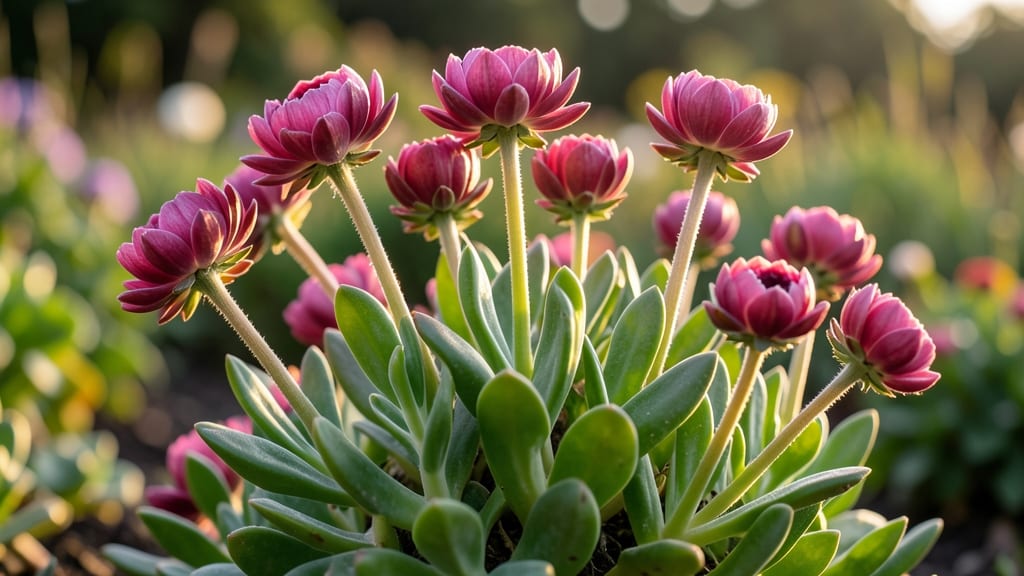
If you’re dreaming of a low-maintenance garden that thrives on neglect, Sedum Autumn Joy is your secret weapon. This succulent-like perennial delivers bold, deep pink blooms from late summer into fall—long after other plants have faded—while its thick, fleshy leaves store water like a built-in drought buffer.
Plant it in full sun to partial shade where its upright structure adds vertical interest to rock gardens, containers, or even between stepping stones. Once established, it needs almost no watering, making it perfect for xeriscaping or busy gardeners. Deadhead spent blooms to encourage more flowers, and watch it spread slowly over time for a lush, textured look.
This is the ideal choice for urban balconies, drought-prone areas, or pollinator gardens—it’s deer-resistant, thrives in poor soil, and even attracts butterflies. With its late-season color, you’ll have a garden that stays vibrant well into autumn. 🌻
Asters Symphyotrichum Novae-Angliae
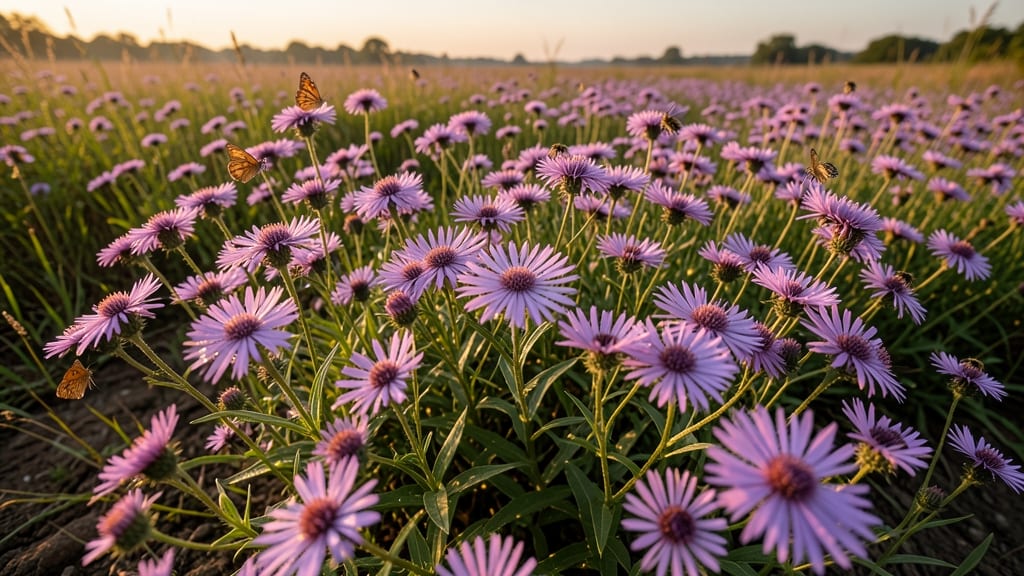
When your garden seems to lose its spark as summer fades, New England asters (Symphyotrichum novae-angliae) step in like a superhero—bursting with purple-pink star-shaped blooms from August through October. These native wildflowers don’t just fill gaps; they create a pollinator paradise, especially for monarch butterflies migrating south.
Thriving in full sun to partial shade, they adapt to most soils and even tolerate drought once established. Plant them in mixed borders or meadows where their 2-4 foot height adds vertical interest. Deadhead spent blooms to encourage more flowers, but leave some for winter interest and seed-eating birds. Their late-season color makes them a gardener’s secret weapon for fall.
Perfect for beginner gardeners and eco-conscious landscapers, these asters require almost no maintenance yet deliver maximum impact. 🌟
Lavender English Lavandula Angustifolia
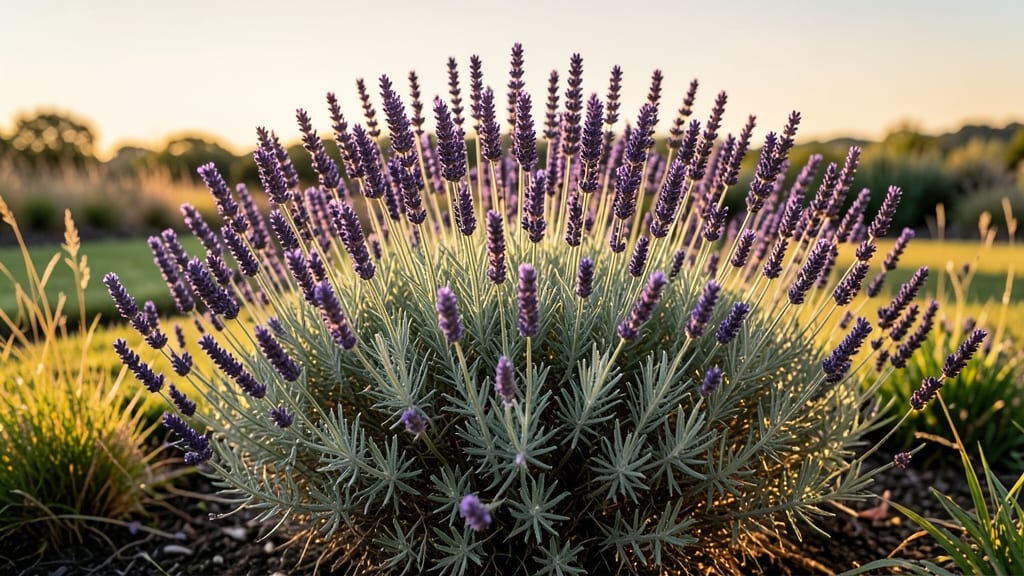
Looking for a perennial that delivers both beauty and utility? English lavender (Lavandula angustifolia) is a late-summer superstar that thrives in full sun while offering fragrant blooms and practical uses—whether you're growing it for its scent, culinary potential, or stunning purple-blue spikes.
This versatile plant requires minimal water once established, making it ideal for drought-prone areas or low-maintenance gardens. Plant it in well-drained soil and space bushes 18-24 inches apart for optimal air circulation. The culinary variety can be harvested for teas, desserts, or sachets, while the ornamental types create striking focal points in borders or rock gardens.
Perfect for beginners and seasoned gardeners alike, lavender’s long bloom season (July through September) ensures your garden stays fragrant and vibrant well into fall. 🌻
Joe Pye Weed Eutrochium Purpureum
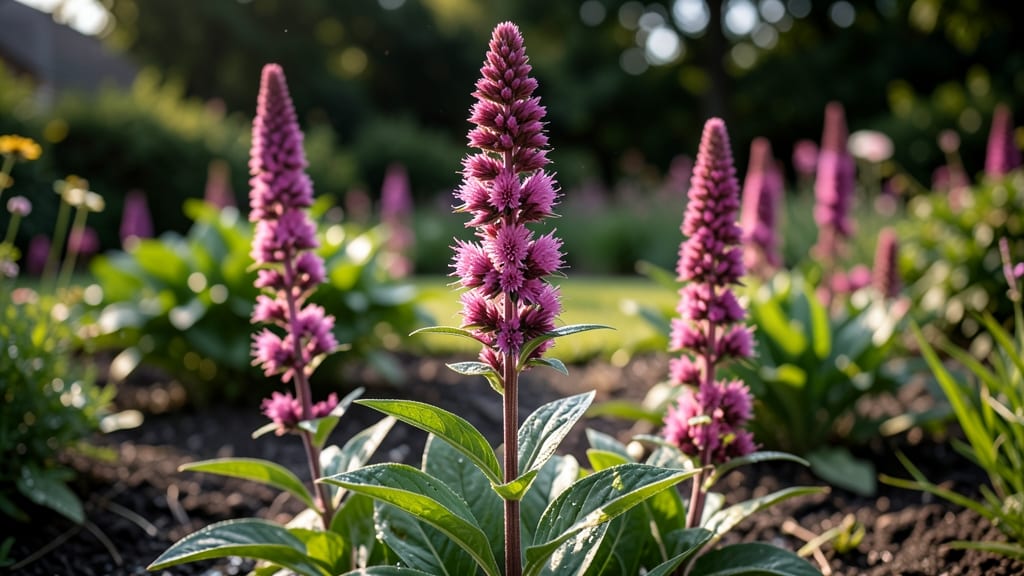
If your garden needs a dramatic late-summer statement, Joe Pye weed (Eutrochium purpureum) delivers with its towering pink-purple flower clusters that reach 4-6 feet tall. This native perennial thrives in moist, well-drained soil, making it perfect for rain gardens, pond edges, or low-lying areas where other plants struggle.
Beyond its striking appearance, Joe Pye weed is a pollinator powerhouse, attracting butterflies, bees, and even hummingbirds. It blooms from mid-to-late summer and handles partial shade beautifully, though it prefers full sun for the best flower production. Deadhead spent blooms to encourage a second flush of flowers, and watch your garden become a buzzing hub of activity.
Ideal for gardeners with wet or poorly drained soil, this hardy perennial also tolerates drought once established. It’s a standout choice for naturalizing along streams or as a focal point in cottage gardens. 🌻
Catmint Nepeta Faassenii
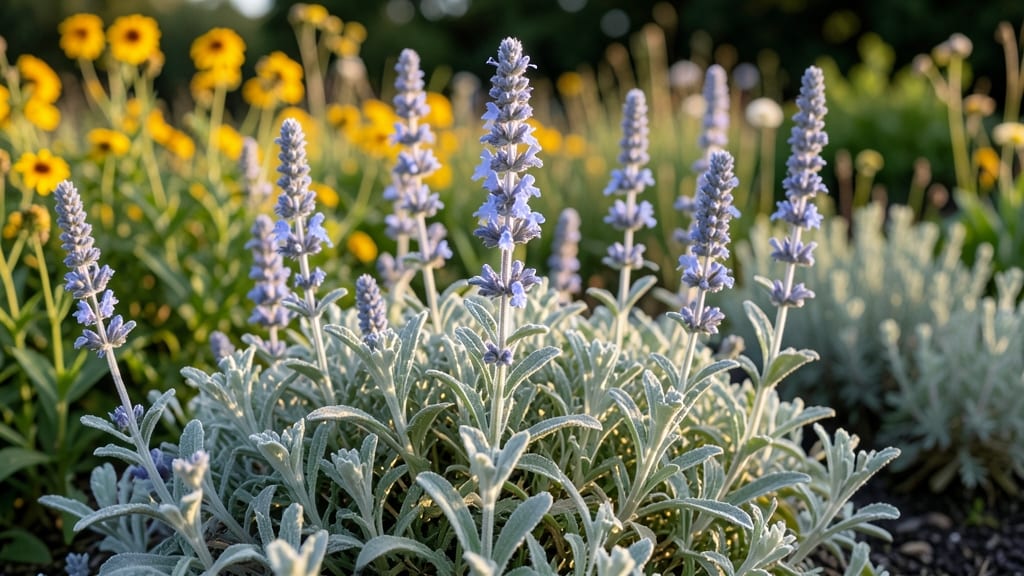
If you're tired of late-summer gardens losing their luster, Catmint Nepeta Faassenii is your secret weapon. This hardy perennial bursts into silver-blue blooms from early summer through fall, providing color when many plants are winding down.
Beyond its stunning appearance, Catmint is a natural pest repellent—its fragrant foliage deters deer, rabbits, and even some insects while attracting pollinators like bees and butterflies. Thriving in full sun to partial shade, it adapts to various soil types and requires minimal water once established, making it ideal for borders, slopes, or as a low-maintenance ground cover.
Perfect for beginners and busy gardeners, Catmint offers year-round interest with its silvery foliage and long bloom season. Plant it near seating areas to enjoy its delicate scent and watch your garden buzz with activity. 🌿
Blanket Flower Gaillardia Pulchella

If your garden struggles with drought or poor soil, Blanket Flower (Gaillardia pulchella) is your secret weapon. This hardy perennial doesn’t just survive—it thrives under harsh conditions, offering bold red-and-yellow blooms that keep your garden vibrant from summer through fall.
Plant it in full sun (at least 6 hours daily) and watch it bloom continuously with minimal care. The drought-resistant roots and heat-tolerant foliage make it ideal for xeric landscapes or neglected corners. Deadhead spent blooms to encourage more flowers, and enjoy its pollinator-friendly appeal—bees and butterflies adore its cheerful daisy-like petals.
Perfect for beginners or busy gardeners, this low-maintenance star adds color without fuss. Try it in borders, containers, or wildflower meadows for effortless late-summer beauty. 🌻