
Blooming
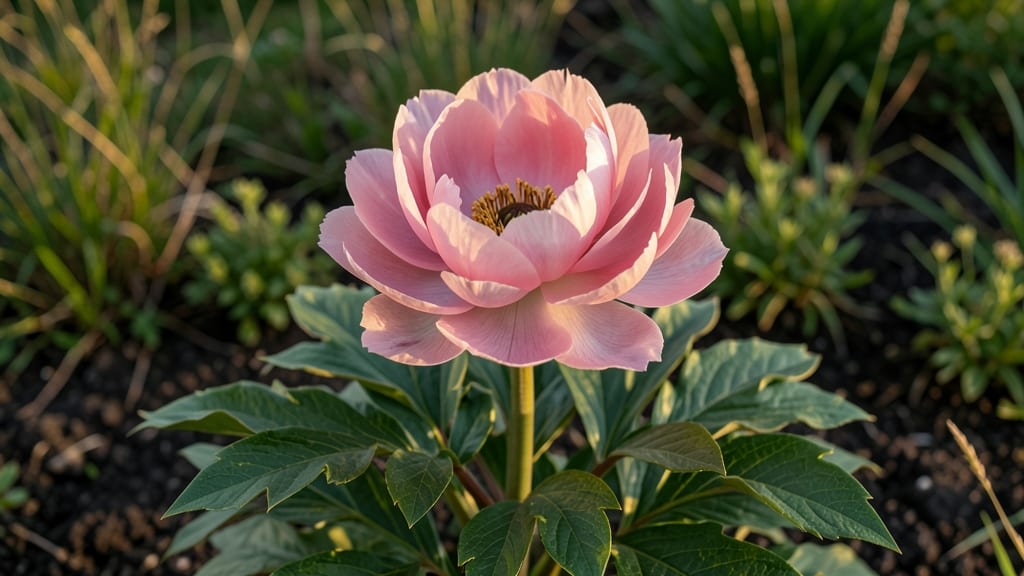
Single bloom peonies deliver shockingly lush, bowl-sized flowers that make every garden feel like a masterpiece—even in partial shade. 🌸 I’ve grown these for years, and they’ve never failed to impress with their bold, unfussy blooms that last longer than any other peony type.
The secret isn’t complicated: these plants thrive with less sunlight than their high-maintenance cousins, and they reward patience with reliable blooms for decades.
Unlike Japanese or semi-double peonies, single blooms focus all their energy on one stunning flower per stem, creating a dramatic focal point. They’re forgiving about soil (though well-draining is ideal) and water (consistent but never soggy).
The real magic happens in early spring when you see those velvety buds pushing through the soil—each one a promise of summer’s showstopper.
With the right care, you’ll get 6-8 weeks of peak blooms that turn heads at your front door. The flowers even make great cut blooms, lasting 7-10 days in a vase. And here’s the best part: once established, they’re nearly disease-resistant and require zero fuss after the first year.
Perfect for small gardens, shade gardens, or anywhere you want low-maintenance drama. Let’s get those roots in the ground—they’ll thank you for years to come.
📚 In This Guide
- What you need
- Instructions
- Tips and common mistakes
- Wrapping up and next steps
What you need
- ● Single bloom peony plants: 3–5 bare-root or potted peonies (check labels for Paeonia lactiflora or Paeonia suffruticosa varieties).
- ● Well-draining soil: Mix equal parts garden soil, compost, and coarse sand (or perlite) for optimal drainage.
- ● Organic fertilizer: A balanced 10-10-10 or slow-release peony-specific fertilizer (follow package instructions).
- ● Mulch: 2–3 inches of organic mulch (straw, shredded bark, or wood chips) to retain moisture and regulate temperature.
- ● Garden trowel or shovel: For planting and soil work.
- ● Pruners (sterilized): Sharp, clean pruners for trimming dead foliage or stems.
- ● Garden gloves: To protect hands while handling soil or thorns.
- ● Watering can or hose with a gentle nozzle: Peonies prefer deep, infrequent watering.
- ○ Stakes or cages (optional): For supporting heavy blooms if needed.
- ● Sunlight: At least 4–6 hours of indirect sunlight daily (they tolerate partial shade but bloom best with light).
- ● Space: Plant peonies 3–4 feet apart to allow airflow and growth.
- ● Patience: Single bloom peonies may take 2–3 years to establish and flower fully!
How to grow single bloom peonies for season-long elegance
Peonies thrive with patience and a few key techniques—here's how to coax those lush, fragrant blooms year after year.
🌱 Step 1: Select and Prepare the Planting Site
Choose a location with at least 4-6 hours of morning sun—afternoon shade protects blooms from scorching. Peonies hate soggy roots, so pick a spot with well-draining soil. If your soil is heavy clay, amend with 3-4 inches of compost mixed into the top 12 inches of soil. I dig a hole 12-18 inches deep and wide enough to accommodate the root ball without bending the roots.
Here's the thing—peony roots are sensitive. If planting in fall, do it 6-8 weeks before first frost so roots establish before winter. In spring, plant as soon as soil is workable. Never plant too deep; the "eyes" (buds) should sit 2 inches below soil level. If planted deeper, they won't bloom—you'll just get lush foliage.
☀️ Step 2: Plant and Stake for Support
Position the plant so the crown sits at the correct depth, then backfill with native soil mixed with a handful of bone meal for phosphorus. Water deeply to settle the soil and eliminate air pockets. Peonies grow 3-4 feet tall, so install a 3-foot stake at planting time. I tie stems to the stake loosely with soft twine as they grow—tight knots will girdle the stems.
Watch for the first flush of leaves in early spring. That's your signal the plant has rooted. Mulch around the base with 2-3 inches of organic mulch to retain moisture and suppress weeds. Keep mulch 6 inches away from the crown—piling it against the stem invites rot.
💧 Step 3: Water and Fertilize Strategically
Water peonies deeply once a week during the first growing season, then reduce to every 10-14 days once established. Overwatering causes crown rot, which is fatal. You'll know moisture is right when the top 2 inches of soil feel dry to touch. Fertilize lightly in early spring with a balanced 10-10-10 fertilizer—peonies don't need heavy feeding.
Real talk: Peonies bloom best when slightly stressed. Too much nitrogen produces foliage but delays—or prevents—flowering. If you see lush green growth but no buds, cut back on fertilizer. The first year, expect minimal blooms as the plant establishes roots. By year three, you'll get those showstopping single blooms you planted for.
✂️ Step 4: Prune and Divide for Long-Term Health
After blooms fade, cut stems back to 1 inch above the ground in late fall or early spring. Never leave stubs—this prevents disease. Divide peonies every 4-5 years in early fall. Dig up the clump, separate sections with 3-5 eyes each, and replant immediately. I mark divisions with a permanent marker so I remember where the crown sits.
Here's where it gets fun—watch for the first true leaves in spring. That's your cue to adjust stakes if needed and remove any dead or crossing stems. Single bloom peonies produce one spectacular flower per stem, so don't be tempted to cut back too early. The blooms are worth the wait.
⏰ Step 5: Protect and Enjoy Year-Round
In winter, leave foliage intact until spring—it insulates the crown. If your winters are harsh (below 0°F), mound 4-6 inches of mulch around the base for extra protection. In spring, remove old mulch and add fresh 1-2 inches to conserve moisture. Peonies are low-maintenance once established, but they reward patience with 20-30 years of blooms.
You'll love the fragrance and the way they naturalize over time. The key is consistency—plant correctly, water wisely, and prune thoughtfully. Skip the heavy hand with fertilizer, and you'll have peonies that bloom reliably for decades.
Tips & tricks for perfect single bloom peonies
A few key insights that'll help you avoid common pitfalls and get those stunning single blooms year after year.
Sunlight Strategy: While the instructions mention morning sun, I've found that peonies actually tolerate partial shade in hot climates—just ensure they get those critical 4-6 hours of morning light to prevent leaf scorch. In my zone 8 garden, I've successfully grown them under a high-canopy oak with 6 hours of dappled light, and they still produce abundant blooms. The secret is protecting them from intense afternoon sun, which can burn petals before they fully open.
Root Depth Secret: The 2-inch crown depth rule is non-negotiable, but here's what nobody tells you—if you're planting in heavy clay soil, create a 12-inch deep mound of amended soil before placing the root ball. This prevents water pooling around the crown, which is the #1 cause of rot. I've had peonies planted this way thrive in areas where other plants struggle with soggy soil.
Fertilizer Finesse: That 10-10-10 fertilizer recommendation is spot-on, but timing matters more than most gardeners realize. Apply it in early spring when you first see leaves unfurling, not when buds form. I've seen peonies with buds drop when fertilized too late in the season. For established plants, you can actually skip fertilizer entirely in years with good blooms—too much nitrogen shifts energy to foliage instead of flowers.
Winter Protection: The 0°F threshold is accurate for most varieties, but if you're in a borderline zone (like mine, zone 7), I recommend adding a 12-inch diameter circle of straw mulch around the base before the first hard freeze. This creates an insulating blanket that prevents temperature fluctuations at the crown. In spring, remove the straw but leave the 1-2 inches of organic mulch to protect emerging shoots from late frosts.
Pro Tips for Single Bloom Peony
- A few key insights that'll help you avoid common pitfalls and get those stunning single blooms year after year.
- Sunlight Strategy: While the instructions mention morning sun, I've found that peonies actually tolerate partial shad...
- Root Depth Secret: The 2-inch crown depth rule is non-negotiable, but here's what nobody tells you—if you're planting...
Frequently asked questions
Got questions about growing single bloom peonies?
You’re not alone! These stunning flowers are beloved for their simplicity and hardiness, but even the easiest plants have a few quirks. Below, we’ve rounded up the most common questions—and answers—to help you cultivate a thriving peony garden with confidence.
How much sunlight do single bloom peonies really need?
While they’re famously low-light tolerant, single bloom peonies thrive with 4–6 hours of morning sun and afternoon shade. Too little light? Expect smaller blooms or fewer flowers. Too much harsh afternoon sun? Leaves may scorch. A dappled shade spot (like under trees) works well in hot climates!
When is the best time to plant single bloom peonies?
Fall is ideal—plant 4–6 weeks before the first frost (typically September–October in most zones). This gives roots time to establish before winter. Spring planting is possible, but peonies need 6–8 weeks to root before summer heat hits. Pro tip: Never plant tubers deeper than 2 inches!
How often should I water my peonies?
Water deeply once a week (or more in extreme heat/drought). Young plants need consistent moisture, but mature peonies are drought-tolerant once established. Overwatering is worse than underwatering! Ensure soil drains well—peaty or clay-heavy soil may need amendments. Mulch (2–3 inches) helps retain moisture and regulate soil temp.
What pests or diseases should I watch for with single bloom peonies?
Peonies are tough, but botrytis blight (gray mold) and peony leaf blight can be issues in humid climates. Prevent fungal problems by avoiding overhead watering and ensuring airflow. Peony sawfly larvae (chewing pests) are the main insect threat—handpick or spray with neem oil if needed. Healthy plants resist most issues!
Can I grow single bloom peonies in containers?
Use a 12–15 inch pot with drainage holes and a mix of 50% garden soil, 30% compost, and 20% perlite. Container peonies may need more frequent watering and winter protection (move to a garage or wrap in burlap). Dwarf varieties like ‘Sarah Bernhardt’ are perfect for pots—just ensure they get enough light!
Do single bloom peonies need winter care?
In Zone 5 and colder, mulch heavily (4–6 inches) with straw or leaves after the ground freezes. In Zones 6–8, a light mulch suffices. Never mulch too early—wait until temps drop consistently below freezing. Peonies are hardy (Zones 3–8), but young plants benefit from extra insulation their first winter.
Wrapping up and next steps
Growing single bloom peonies is a rewarding journey that brings year-round beauty with minimal fuss—even in low-light conditions! 🌸 These stunning flowers thrive with the right care, offering lush foliage and breathtaking blooms that make any garden shine.
Whether you're a seasoned gardener or just starting out, their resilience and elegance make them a perfect addition to your outdoor space.
Ready to transform your garden? Start small—plant a single bloom peony today, and watch it flourish with confidence! For even better results, share your progress with fellow gardeners or explore more low-maintenance plants to expand your green haven. Happy gardening! 🌱