
Blooming
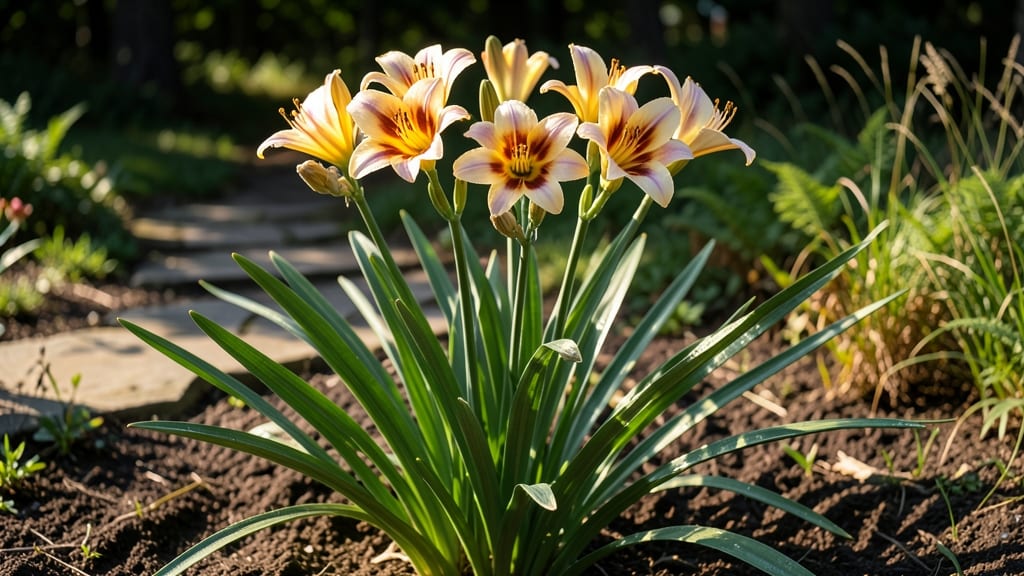
The daylily bloom period varies dramatically by variety, with some bursting into color as early as late spring and others stretching into early fall.
Wondering why your daylilies aren’t blooming when they should—or how to coax extra flowers from them? The bloom period of daylilies (Hemerocallis) varies wildly by variety, and understanding these differences can transform your garden from a seasonal flash of color into a year-round showstopper.
In USDA Zone 6a, most daylilies bloom between June and September, but early-blooming types like 'Stella de Oro' may start as soon as May, while late varieties can extend into October.
Sunlight, soil quality, and even your local climate play a big role in when—and how long—your daylilies shine.
Below, I’ll break down the exact bloom windows for popular varieties, share reblooming secrets to extend your season, and troubleshoot why some plants skip blooms entirely. Whether you’re planning your garden layout or fine-tuning care, these tips will keep your daylilies 🌸 in peak form for months.
Daylily bloom period by variety: exact months for early, mid, and late season color
Daylilies are one of the most versatile perennials in your garden, offering color from early summer to fall—but their bloom periods vary dramatically by variety. Some, like 'Stella de Oro', burst into flower as early as May, while others like 'Pardon Me' may not peak until late August.
Understanding these differences helps you plan season-long color and choose varieties that thrive in your climate.
In USDA Zone 6a, most daylilies bloom between June and September, but early bloomers can start as soon as May, and late varieties may extend into October. Reblooming varieties like 'Happy Returns' or 'Midnight' produce multiple flushes of flowers, while single-season types focus their energy on one spectacular display.
Your local climate, sunlight exposure, and soil quality can shift these windows by 2-4 weeks—so pay attention to microclimates in your garden.
Below is a detailed comparison of 12 popular daylily varieties, organized by bloom period, including their peak months, reblooming tendencies, and ideal growing conditions. Use this as your guide to create a continuous bloom garden from early summer through frost.
| Variety | Bloom Period | Reblooming? | Height (ft) | Color | Notes |
|---|---|---|---|---|---|
| 'Stella de Oro' | May - July | Yes | 1.5-2 | Golden yellow | Compact, drought-tolerant, great for borders |
| 'Happy Returns' | June - September | Yes | 2-2.5 | Soft pink | Classic rebloomer, fragrant blooms |
| 'Midnight' | July - September | Yes | 2-2.5 | Deep purple-black | Dramatic foliage, late-season blooms |
| 'Pardon Me' | June - August | No | 2-2.5 | Bright yellow | Single-season, prolific blooms |
| 'George' (Henry) | June - July | No | 2-3 | Creamy white | Classic heirloom, early bloomer |
| 'Alexander' | July - August | No | 2-2.5 | Red | Bold color, single-season |
| 'Evening Star' | June - September | Yes | 2-2.5 | Purple | Fragrant, long bloom season |
| 'Happy Warrior' | June - August | No | 2-2.5 | Orange | Vibrant, single-season |
| 'Gainsborough' | July - September | Yes | 2-2.5 | Cream | Elegant, late-season rebloomer |
| 'Blue Bird' | June - August | No | 1.5-2 | Blue | Rare blue hue, single-season |