
Blooming
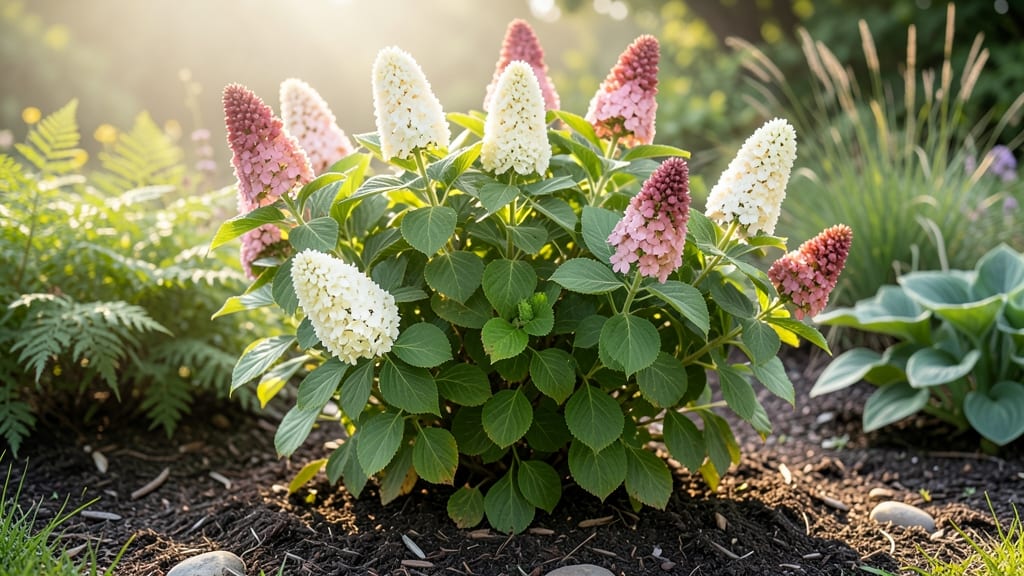
Panicle hydrangeas bloom on new wood because their flower buds develop on fresh, current-season growth rather than last year's stems. This unique trait allows them to produce multiple blooming cycles when pruned correctly in late winter or early spring.
This growth habit sets panicle hydrangeas apart from their mophead cousins, which rely on old wood. 🌿 When you prune at the right time, you're essentially giving your plant a fresh start—encouraging strong, healthy stems that will produce abundant flowers throughout the growing season.
The key is timing: cutting back too early can remove potential blooms, while waiting too long may stunt new growth.
For best results, I recommend using clean, sharp pruners to make 45-degree cuts just above a leaf node or bud. This technique promotes better water flow and prevents disease.
Many gardeners also swear by removing up to one-third of the plant's height during this process, which stimulates bushier growth and more flower clusters.
💡 In This Article
- How New Wood Pruning Boosts Panicle Hydrangea Reblooming
- Pruning Techniques for Maximum Panicle Hydrangea Blooms
How new wood pruning boosts panicle hydrangea reblooming
Panicle hydrangeas thrive on new wood because their flower buds develop along the current season's stems rather than on last year's growth. This process begins in early spring when the plant's dormant buds break dormancy and start producing new shoots.
The buds form in the leaf axils (the angle between the stem and leaf) of these fresh stems, creating the potential for multiple blooming cycles throughout the growing season. Unlike mophead hydrangeas, which rely on flower buds set the previous summer, panicles can rebloom if given the right conditions.
The timing of pruning is critical because it directly influences when these new shoots emerge. When you prune in late winter or early spring—just as the plant is waking up from dormancy—you remove old, woody stems that no longer contribute to flowering.
This stimulates the plant to produce vigorous new growth from the base, which will bear the flower buds. The ideal time is when the ground is thawed but before new shoots emerge, typically between February and March in most climates.
This window ensures you're cutting back just enough to encourage fresh growth without removing potential blooms that may already be forming.
What makes this growth habit so advantageous is the potential for extended flowering. With proper pruning, panicle hydrangeas can produce two to three blooming cycles in a single season. The first flush often appears in early summer, followed by additional clusters in late summer or early fall.
This extended display is a direct result of the plant's ability to form new flower buds continuously on current-season growth. For example, a well-pruned 'Limelight' hydrangea can produce 12-18 inch panicles that emerge in stages, creating a stunning vertical display that lasts for months.
There's a scientific reason why this works so well: the plant's hormonal balance shifts when old wood is removed. Auxin, a plant hormone that regulates growth, is concentrated in the tips of stems. When you prune, you remove these hormonal sinks, allowing auxin to redistribute and stimulate lateral bud growth.
This hormonal shift is what triggers the formation of new shoots and, ultimately, flower buds. Additionally, removing old wood improves air circulation and sunlight penetration, which reduces disease risk and helps the plant focus its energy on producing vibrant, healthy blooms.
One common misconception is that all hydrangeas bloom on new wood, but this isn't the case. Mophead varieties like 'Endless Summer' are exceptions—they can bloom on both old and new wood, giving them more flexibility.
However, panicle types are strictly new-wood bloomers, which means they require more precise pruning to achieve their full potential. The reward for this attention is well worth it: a hydrangea that continues to thrive and flower long after other varieties have faded.
For gardeners in cooler climates, this growth habit is particularly beneficial because it allows the plant to take advantage of the extended growing season. In regions with USDA Hardiness Zones 3-8, panicle hydrangeas can produce blooms even when temperatures fluctuate.
The key is to monitor the plant's growth and adjust pruning as needed to maintain a balance between removing old wood and preserving enough structure for support. With the right approach, you can enjoy a hydrangea that not only blooms beautifully but also adapts to your local growing conditions.