
Blooming
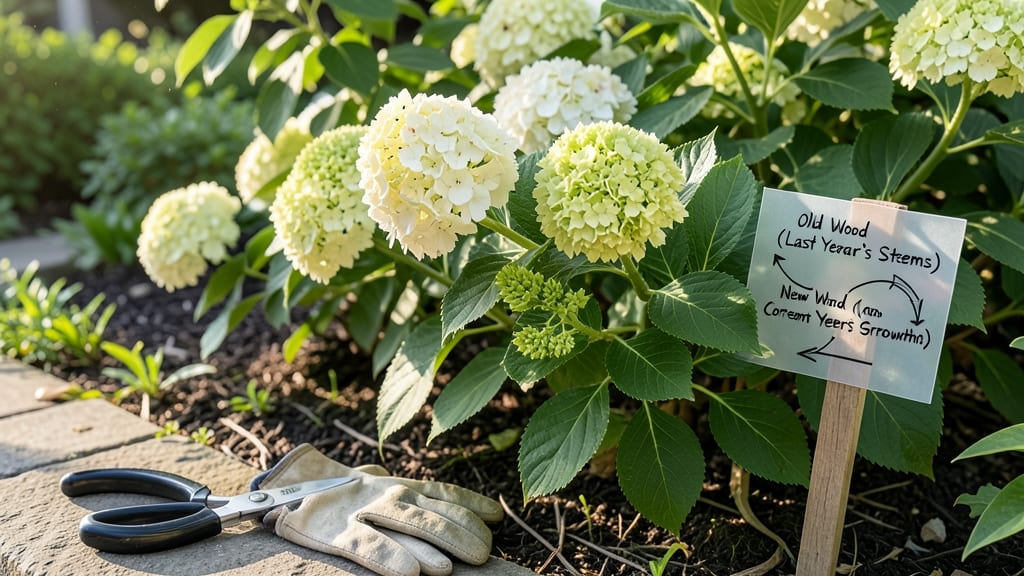
Limelight hydrangeas bloom on old wood, meaning last year’s growth produces flowers, so pruning too early or aggressively can remove potential blooms. Prune only after flowering season to preserve reblooming potential.
This means the flower buds form on stems from last year's growth, not fresh new shoots. 🌸 Unlike some hydrangeas that bloom on current season wood, Limelights need those old stems to produce their signature cream-colored blooms.
If you prune back too hard in late winter or early spring, you risk cutting off next year's flowers before they even form. The key is patience—wait until after the blooms fade completely before shaping your plant.
Here's the practical takeaway: think of your Limelight like a perennial plant that stores energy in its stems. Those stems aren't just support—they're the flower factories. Even a light pruning in the wrong season can reduce bloom size or delay flowering.
I've seen gardeners accidentally turn their Limelights into shrubs with sparse blooms just by pruning at the wrong time.
💡 In This Article
- How Limelight Hydrangeas Bloom on Old Wood
- Best Pruning Practices for Limelight Hydrangea Reblooms
How Limelight hydrangeas bloom on old wood
The Limelight hydrangea's unique blooming habit stems from its botanical classification as a reblooming variety that relies on old wood (last year's stems) for flower production. Unlike new-wood bloomers like the classic bigleaf hydrangea, Limelights form their flower buds in late summer on the previous year's growth.
These buds remain dormant through winter and burst into bloom in spring, creating those signature cream-colored flowers that mature to stunning pink hues.
Here's what happens under the surface: The plant's energy storage system is built into its woody stems.
During summer, the plant allocates nutrients to form flower buds along these stems, which harden and prepare for winter. 🌿 When spring arrives, these pre-formed buds open sequentially, producing blooms over an extended period.
This process explains why Limelights can continue flowering well into fall if given proper care—each bloom comes from a bud that was already formed months earlier.
The science behind this involves a process called vernalization, where cold temperatures trigger bud dormancy and subsequent flowering. For Limelights, this means the plant needs both the cold winter period AND the existing old wood stems to produce flowers.
Cutting these stems too early removes the flower factories before they've had a chance to bloom. I've seen gardeners accidentally turn their Limelights into shrubs with minimal blooms by pruning in late winter, when the buds are still dormant but vulnerable.
What makes this even more interesting is how Limelights differ from other hydrangea varieties. For example, the classic bigleaf hydrangea blooms on new wood, meaning it produces flowers from current season's growth. These varieties can be pruned more aggressively in late winter without harming blooms.
But Limelights' reliance on old wood makes them more delicate—each stem contains a year's worth of potential blooms that can't be replaced if cut too soon.
Consider this comparison: A Limelight hydrangea's blooming cycle is similar to a fruit tree that bears fruit on last year's growth (like apples on apple trees).
Just as you wouldn't prune an apple tree in winter when the fruit buds are forming, you shouldn't prune Limelights until after they've finished blooming. The timing difference is crucial—what works for one hydrangea variety can ruin another's blooming potential.
The plant's growth habit also explains why Limelights often produce more blooms in their second and third years. Each year's growth becomes potential blooming wood for the following season, creating a compounding effect. This is why patience is key—rushing to prune removes next year's flowers before they've even formed. 💫