
Blooming
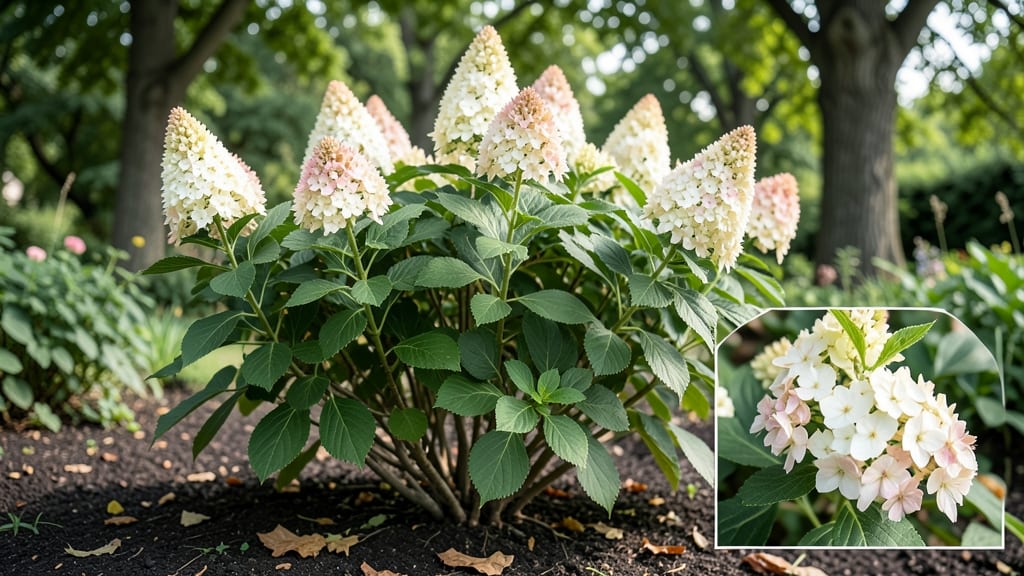
Panicle hydrangeas bloom on old wood, meaning their flowers develop on stems from the previous year. Pruning too late (after blooming) removes next year’s buds, while early pruning encourages new growth but may reduce flower count.
This means their flower buds form during the growing season and then overwinter to bloom the following year. Unlike mophead hydrangeas, which bloom on new wood, panicle varieties rely on last year's stems for their stunning cone-shaped blooms.
The timing of your pruning can make or break next year's display—cutting too soon removes potential buds, while waiting too long risks damaging the plant's structure. 🌸
Think of it like planning a garden party: you wouldn't rearrange the guest list after the invitations were sent. For panicle hydrangeas, the "invitation" to bloom happens in summer, and pruning too late is like canceling guests who've already RSVP'd.
What's interesting is how this affects plant health. When you prune correctly in late winter or early spring, you're actually helping the plant focus its energy on developing strong new stems that will carry next year's blooms.
This explains why some gardeners see fewer flowers after aggressive pruning—the plant is prioritizing growth over reproduction.
💡 In This Article
- How Panicle Hydrangea Flowering Works on Old Wood
- Best Pruning Schedule for Panicle Hydrangeas
How panicle hydrangea flowering works on old wood
Panicle hydrangeas (like 'Limelight' or 'Little Lime') form their flower buds in summer on the current year's growth, but these buds mature and overwinter on last year's stems—what botanists call "old wood."
This process begins when the plant's apical meristems (growth points) at the tips of stems differentiate into flower buds around mid-to-late summer. These buds then enter dormancy, protected by a waxy coating that prevents freezing damage during winter's 20-30°F temperatures.
The cold exposure is critical—panicle hydrangeas require 600-1,000 chilling hours below 45°F to break dormancy properly. This chilling period verifies the buds' readiness to bloom, similar to how fruit trees need winter cold to produce fruit.
Unlike mophead hydrangeas (which bloom on new wood), panicle varieties rely entirely on these overwintered buds. If you prune too late, you're removing stems that could have carried hundreds of tiny flower buds—each panicle can hold 200-500 individual florets!
Here's the science: The plant's hormonal balance shifts in fall, with auxin (a growth hormone) levels dropping in old stems. This hormonal change signals the buds to prepare for spring blooming.
Pruning at the wrong time disrupts this natural process—cutting in summer removes potential buds before they form, while late-winter pruning (after buds have set) risks damaging next year's display.
Think of it like a tree storing energy in its roots for spring growth—panicle hydrangeas store their "energy" in those overwintering buds.
What makes panicle hydrangeas unique is their two-tiered growth system: old wood produces flowers while new wood creates next year's stems. This dual system explains why you can prune more aggressively than with mopheads—you're not sacrificing current blooms, just shaping the plant's framework.
The trade-off is that each stem can only carry one year's worth of flowers, making proper pruning timing absolutely critical for consistent blooming.
Visualize the process: Imagine a 3-year-old stem. Year 1 grows the stem. Year 2 forms flower buds along it. Year 3 blooms from those buds while new stems grow from the base.
Prune in late winter, and you're working with stems that already have next year's blooms mapped out—like editing a pre-written script rather than improvising.
One common misconception is that panicle hydrangeas bloom on new wood like mopheads. The difference lies in bud formation timing: mopheads form buds in spring on new growth, while panicles form theirs in summer on old stems.
This explains why you can see panicle blooms developing along stems that were bare the previous year—those flowers came from buds formed 12-18 months earlier.
The payoff for understanding this process? You can prune panicle hydrangeas more heavily—up to 1/3 of the plant—without fear of losing blooms, because you're working with a plant that's already "planned" its next floral display.
Just time your cuts right, and you'll enjoy those iconic cone-shaped blooms year after year. 🌿