
Blooming
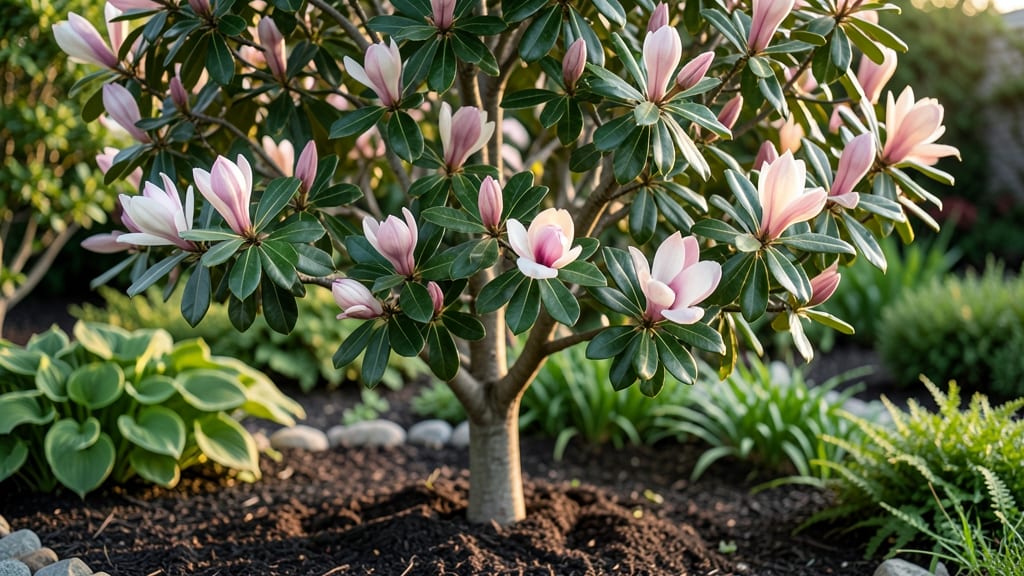
Magnolia trees bloom in late winter to early spring 🌸, turning your yard into a fragrant, floral masterpiece—but the exact timing depends on the variety and your climate.
If you’ve ever waited impatiently for your magnolia tree to burst into bloom, you’re not alone—timing can be everything in gardening. But knowing exactly when your specific magnolia variety will flower, based on its type and your climate zone, can turn frustration into anticipation.
From the early bloomers like Magnolia stellata (star magnolia) that burst into color in late winter to the late-season showstoppers like Magnolia grandiflora (Southern magnolia) that shine in early summer, each variety has its own schedule.
In this guide, I’ll break down the bloom times by variety, how your USDA zone shifts those windows, and pro tips to encourage the most stunning display—no matter where you garden.
Magnolia bloom time by variety: exact months for 10 popular species
Timing your magnolia blooms isn’t just about patience—it’s about knowing your variety and climate zone. Some magnolias burst into color in late winter, while others wait until summer’s peak.
For example, star magnolias often bloom as early as February, while saucer magnolias may not show their flowers until May. Understanding these differences ensures you’ll never miss the spectacular show.
Your location plays a huge role too. A Southern magnolia in Zone 8 might bloom in April, but the same tree in Zone 5 could wait until June.
Even within a single species, like Magnolia grandiflora, bloom times can shift by 2-4 weeks depending on whether you’re in Georgia or North Carolina. Let’s break down the exact months for 10 iconic varieties so you can plan your garden’s grand entrance.
⚠️ PRO TIP: Early bloomers like star magnolias are more vulnerable to late frosts. If you’re in a colder zone, consider planting them near a south-facing wall to create a microclimate that warms up faster.
| Variety | Common Name | Bloom Time (USDA Zones 7-9) | Bloom Time (USDA Zones 4-6) | Flower Color | Notes |
|---|---|---|---|---|---|
| Magnolia stellata | Star Magnolia | Late February–March | April–May | White to pink | Early bloomer; cold-hardy |
| Magnolia × soulangeana | Saucer Magnolia | March–April | May–June | Pink to purple | Stunning large flowers |
| Magnolia grandiflora | Southern Magnolia | May–June | June–July | White | Large evergreen leaves; late bloomer |
| Magnolia liliiflora | Lily Magnolia | April–May | May–June | Pink to white | Fragrant; compact size |
| Magnolia virginiana | Sweetbay Magnolia | May–June | June–July | White to cream | Fragrant; wet soil tolerant |
| Magnolia kobus | Kobus Magnolia | March–April | April–May | White | Cold-hardy; upright form |
| Magnolia × veitchii | Veitch Magnolia | April–May | May–June | Pink to white | Hybrid; early bloomer |
| Magnolia acuminata | Cucumbertree Magnolia | May–June | June–July | Yellow-green | Fast-growing; large leaves |
| Magnolia denudata | Yulan Magnolia | April–May | May–June | White | Fragrant; deciduous |
| Magnolia tripetala | Umbrella Magnolia | June–July | July–August | White to pink | Late bloomer; unique foliage |
If you’re in Zone 7 or warmer, star magnolias and sau
How climate zones shift magnolia bloom time: a USDA Zone guide
Your magnolia tree's bloom time isn't set in stone—it shifts dramatically based on your USDA climate zone.
In Zone 3, for example, star magnolias (Magnolia stellata) often bloom in late May, while in Zone 10, they may burst into flowers as early as February.
These shifts happen because colder zones need longer chilling hours to trigger blooms, while warmer zones experience milder winters that encourage earlier growth.
Understanding your zone helps you adjust care routines to maximize blooms. For instance, in Zone 7, saucer magnolias (Magnolia × soulangeana) typically bloom in March-April, but if you notice buds forming late, you might need to adjust watering or prune strategically.
The key is matching your magnolia's natural rhythm with your local climate patterns.
🌱
| USDA Zone | Typical Bloom Time | Care Adjustments | Zone-Specific Tip |
|---|---|---|---|
| 3-4 | Late May - June | Extra mulch in fall, delayed pruning | Use cold-hardy varieties like Magnolia denudata |
| 5-6 | April - Early May | Spring feeding, consistent moisture | Prune after blooms for next year's flowers |
| 7-8 | March - April | Light summer pruning, winter mulch | Watch for late frosts after buds form |
| 9-10 | February - March | Reduce winter watering, minimal pruning | Choose tropical varieties like Magnolia grandiflora |
In Zone 3-4, where winters are harsh, magnolias need 600-900 hours of chilling below 45°F to trigger blooms. If your tree isn't flowering, it might need additional winter protection like burlap wraps or extra mulch.
I've seen star magnolias in these zones bloom spectacularly after a particularly cold winter, while southern magnolias often struggle.
For Zone 7-8, the sweet spot for many magnolias, timing is crucial. If you live in Zone 7b, your saucer magnolia might bloom in late March, but a Zone 8a garden could see flowers as early as February.
The difference comes down to microclimates—southern-facing slopes warm up faster, while northern exposures delay blooms. I always check my tree's location against these patterns to predict bloom windows.
In warmer Zones 9-10, magnolias bloom earlier but may suffer from heat stress if summer arrives too soon. Here, deep watering in late winter becomes critical to support bud formation.
I've found that evergreen magnolias like Magnolia grandiflora handle this heat better than deciduous types, which might skip blooms entirely during unusually warm winters.
To adjust care based on your zone, start with a zone-specific checklist: ☑️ Zone 3-6: Apply winter mulch by November ☑️ Zone 7-8: Prune after blooms in early summer ☑️ Zone 9-10: Water deeply in February to encourage blooms 🌿