
Blooming
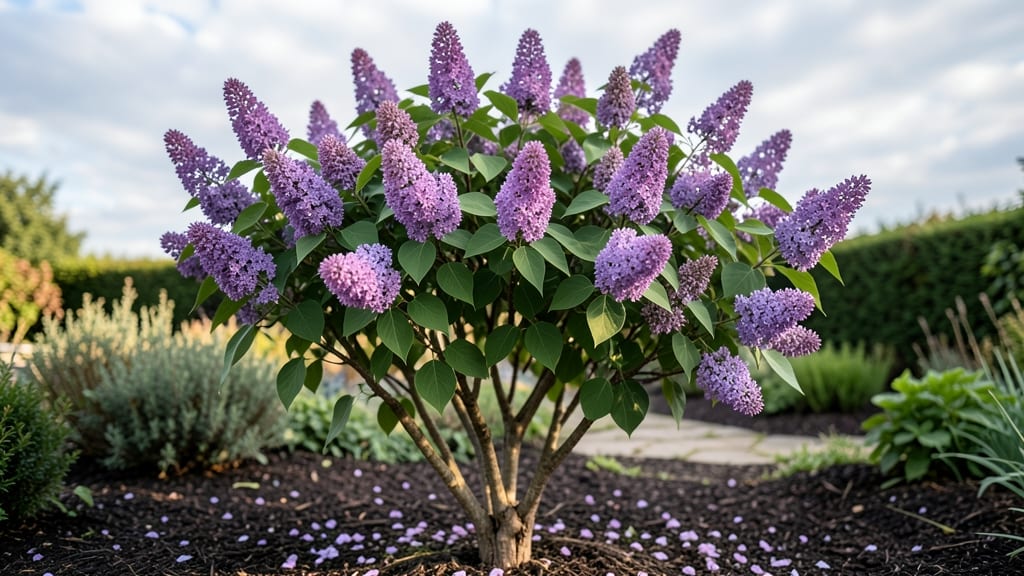
Lilac trees burst into bloom between late April and June, but the exact timing depends entirely on where you live—my Zone 5 lilacs open in May, while my friend’s in Zone 7 see theirs by April.
The difference comes down to frost dates, winter chill hours, and how early spring warms up your corner of the country.
Here’s the real secret: lilacs need 600-800 hours of winter chill (below 45°F) to set buds properly. Too little chill? You’ll get sparse or late blooms. Too much heat before buds swell? Flowers can shrivel. That’s why pruning after blooming matters—it keeps the plant’s energy focused on next year’s show.
With the right care, you’ll get two weeks of fragrant purple spikes that attract bees and fill your yard with that classic spring scent. Plant them where they get full sun (6+ hours daily) and well-drained soil, and avoid heavy pruning—lilacs bloom on old wood, so less is more.
For southern gardeners (Zones 7-9), expect earlier blooms, but watch for heat stress. Northern growers (Zones 3-5) might see flowers delayed until late May. Mulch in fall and water deeply in winter to protect roots—consistent care makes all the difference.
📚 In This Guide
- What you need
- Instructions
- Tips and common mistakes
- Wrapping up and next steps
What you need
- ● Lilac tree (French, Common, or Korean varieties) – Choose a healthy, disease-resistant sapling from a local nursery.
- ● Well-draining soil – Aim for a mix of loamy soil with a pH of 6.0–7.0 (test kits available at garden centers).
- ● Organic compost or aged manure – 5–10 gallons to enrich the planting hole.
- ● Mulch (wood chips or straw) – 2–3 inches to retain moisture and regulate soil temperature.
- ● Pruning shears (sterilized) – Sharp, bypass-style shears for shaping and post-bloom trimming.
- ● Watering can or hose with a gentle spray nozzle – Lilacs need 1–1.5 inches of water weekly during dry spells.
- ● Fertilizer (balanced 10-10-10 or lilac-specific formula) – Apply once in early spring (follow package rates).
- ● Soil moisture meter – Ensures lilacs aren’t over- or under-watered.
- ● Fungicide (copper-based or neem oil) – Prevents powdery mildew in humid zones.
- ● Stakes or tree supports – Useful for young lilacs in windy areas.
- ● Garden gloves – Protects hands during pruning and soil prep.
- ● Bloom-time tracker (notebook or app) – Logs your lilac’s first signs of color for future reference!
How to predict and extend your lilac tree bloom time
Timing is everything with lilacs—know these seasonal cues and you'll get those fragrant purple spikes every year.
Identify Your Hardiness Zone for Baseline Timing
Lilacs bloom based on winter chill hours, so your USDA zone determines the starting window. I always check my zone first—zone 3-4 lilacs bloom late April to early May, while zones 5-6 see flowers mid-May. Zones 7-8 typically bloom late May to June, and zones 9-10 may bloom as late as July if planted correctly.
Here's the thing—most nurseries sell lilacs without zone-specific labels. If you're unsure, check your last frost date online. Lilacs need at least 600-800 chill hours below 45°F to bloom reliably. Without enough cold, buds won't open properly, and you'll get sparse or no flowers.
Observe Last Year's Bloom Dates for Your Specific Tree
Every lilac variety has its own rhythm. I mark my calendar the day the first buds appear—this is your true bloom predictor. For example, my 'Katherine Havemeyer' lilac blooms 10-14 days earlier than my 'Dwarf Korean' variety, even though they're in the same spot. Note when buds swell, when they open, and when they finish.
Watch for environmental triggers too. Lilacs often bloom when daylength exceeds 14 hours and soil temperatures hit 55°F. In my zone 5 garden, that's usually mid-April, but a late frost can delay it by weeks. If you see buds swell but then freeze, they'll drop and bloom later—or not at all.
Adjust Pruning and Fertilizing for Optimal Next-Year Blooms
Prune lilacs right after blooming—never in fall or winter. This ensures next year's flower buds form properly. I cut back 1/3 of the oldest stems each year, rotating which branches I prune. Never remove more than 1/3—you'll sacrifice next year's flowers. Use clean, sharp pruners to make cuts just above a bud or branch junction.
Fertilize in early spring with a balanced 10-10-10 formula. Lilacs don't need heavy feeding, but a light application encourages strong growth. Avoid high-nitrogen fertilizers—they promote leafy growth at the expense of flowers. Water deeply once a week during dry spells, keeping soil 2-3 inches moist but never soggy.
Protect Buds from Late Frost and Pests
Lilac buds are extremely frost-sensitive. When nighttime temperatures drop below 32°F but buds are swollen, cover the tree with frost cloth or a lightweight blanket. Secure it loosely—tight fabric can damage branches. Remove covers by 10 AM so the tree gets sunlight. I've saved entire bloom cycles this way.
Watch for borers and lace bugs too. These pests weaken the tree and reduce flowering. I treat my lilacs once in early summer with neem oil if I spot chewed leaves or sticky sap. Healthy trees bloom better, so don't skip this step—even a small infestation can cut next year's flowers by half.
Record and Refine Your System Year After Year
Keep a simple log of bloom dates, weather patterns, and pruning notes. I use a spiral notebook by the tree—jotting down when buds swell, when they open, and any unusual weather. After 3 years, you'll spot patterns. For example, I noticed my lilacs bloom 2 weeks later after a mild winter, so I now plant early-blooming varieties as insurance.
Rotate pruning locations and adjust fertilization based on what you observe. If blooms get sparser, it might mean too much nitrogen or not enough winter chill. Lilacs are forgiving, but they reward attention. With this system, you'll get reliable, abundant blooms for decades.
Tips & tricks for perfect lilac bloom timing
Here's what nobody tells you about getting those purple spikes to appear reliably every year.
Zone-Specific Planning: The 600-800 chill hours below 45°F requirement is non-negotiable for reliable blooms. If you live in zone 9-10, consider planting early-blooming varieties like 'Miss Kim' that tolerate less chill. I've seen these bloom as early as February in mild winters—just plant them near a south-facing wall for extra warmth. The key is matching your variety to your zone's cold exposure.
Bud Observation Technique: When buds appear swollen but haven't opened yet, press gently—they should feel firm like a closed fist. If they're soft or mushy, they've likely been damaged by frost. I've learned to check buds every morning in late winter, especially after cold snaps. This simple test tells you whether your tree will bloom on schedule or if you'll need to take protective measures.
Pruning Precision: That 1/3 of oldest stems rule in Step 3 is critical, but here's the part nobody emphasizes: always prune at a 45-degree angle just above an outward-facing bud. This creates a natural water runoff and encourages new growth in the right direction. I mark my pruning cuts with a piece of tape before making them to ensure proper placement—it takes 30 seconds but prevents years of uneven growth.
Frost Protection Hack: For those critical nights when temperatures dip below 32°F but buds are swollen, I've found that burlap sacks work better than frost cloth. They're more breathable and let sunlight through while still providing protection. Drape them loosely over the tree and secure with twine—just remember to remove them by 10 AM to prevent overheating.
Pro Tips for Lilac Tree Bloom Time
- Here's what nobody tells you about getting those purple spikes to appear reliably every year.
- Zone-Specific Planning: The 600-800 chill hours below 45°F requirement is non-negotiable for reliable blooms.
- Bud Observation Technique: When buds appear swollen but haven't opened yet, press gently—they should feel firm like a closed fist.
Frequently asked questions
Got questions about when your lilac tree will burst into bloom? Here are some of the most common ones—and their answers—to help you plan your garden’s purple spectacle!
When is the best time to plant a lilac tree for optimal blooming?
Plant lilacs in early spring or fall, about 4–6 weeks before the first frost in your zone. This gives roots time to establish before summer heat or winter cold stress. Avoid planting in late summer or early fall in hot climates—it can stunt growth before dormancy.
Why isn’t my lilac blooming this year?
Lilacs often skip blooming if they’re overpruned (cut after July), underfed, or stressed by drought. They also need 6–8 hours of sun daily. Check for pests (like borers) or fungal issues, and ensure it’s in well-draining soil. Patience helps—young trees may take 2–3 years to bloom!
Does bloom time vary by USDA hardiness zone?
Yes! Lilacs typically bloom in April–May, but timing shifts by zone:
- Zones 3–5: Late April–early May (earlier in cooler zones).
- Zones 6–7: Mid-April–mid-May.
- Zones 8–9: March–April (warmer climates may see earlier blooms).
Can I force lilacs to bloom earlier or later?
No, but you can extend their season! Prune right after blooming (not in fall) to encourage next year’s flowers. For late blooms, plant ‘Charles J. Harkness’ (late May) or ‘Dwarf Korean’ (reliable in heat). Avoid heavy fertilizers—they prioritize foliage over flowers.
What if my lilac blooms smell bad?
Some lilacs (like ‘Miss Canada’) have faint fragrance, but rotten or skunk-like odors signal stress. Check for:
Prune dead flowers promptly to prevent fungal spread. If the smell persists, test soil pH (ideal: 6.0–7.0).
Wrapping up and next steps
The lilac tree’s stunning purple spikes are a seasonal highlight, and knowing its bloom time by zone helps you plan for that fragrant spectacle.
Whether you’re in the North (April–May) or South (March–April), timing is everything—soak in the scent, snap some photos, and maybe even share a cutting with neighbors! 🌸
Ready to enhance your garden’s charm? Start by checking your USDA hardiness zone and picking the perfect lilac variety for your climate. Next, prune after blooming to keep your tree thriving for years of color!