
Trees
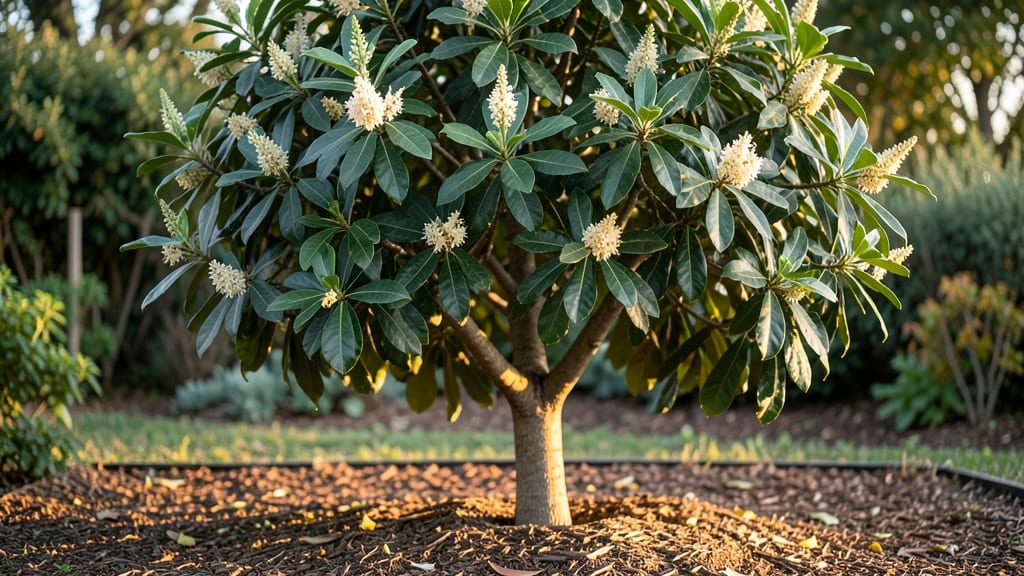
Avocado trees in Florida bloom when temperatures rise and rainfall patterns align—typically between late winter and early spring, with Mexican varieties often flowering first.
Florida’s frost-free climate means these tropical trees 🥑 don’t need winter dormancy, but they do rely on heat zone triggers and consistent moisture to set those delicate white flowers. Miss the window, and you might end up with fewer fruits—or none at all.
Not all Florida regions bloom at the same time. Coastal areas like Miami see earlier blooms (January–February), while inland zones (like Orlando) may wait until March. Even a slight shift in rainfall can delay or advance the season, making timing the key to a successful harvest.
Below, I’ll break down how to recognize bloom cues, adjust care for your heat zone, and avoid common mistakes that keep avocado trees from flowering on schedule.
Florida heat zones that trigger avocado tree blooming seasons
Florida’s USDA heat zones 8a–10b create the perfect conditions for avocado trees to bloom, but the timing varies dramatically depending on where you live.
In cooler northern zones (8a–9a), blooms typically appear in late February to early March, while southern zones (10a–10b) see flowers as early as January or even December in microclimates like Miami or Key West.
These differences matter because Mexican varieties (like Hass) often bloom earlier than West Indian types (such as Lula), which prefer warmer temperatures to trigger their flowers.
Understanding your specific heat zone helps you anticipate when to watch for those delicate white flowers that precede fruit production. For example, Zone 9b gardeners in Orlando might spot blooms in mid-March, while those in Zone 10a (like Tampa) could see them as early as late January.
The key is recognizing the subtle environmental cues your tree uses to signal it’s ready to bloom.
🌱
| USDA Heat Zone | Typical Bloom Window | Best Varieties | Key Climate Cues |
|---|---|---|---|
| 8a (Pensacola, Panama City) | Late February–Early March | Mexican (Hass, Fuerte) | Cooler nights (<60°F), mild days |
| 9a (Gainesville, Ocala) | Early–Mid March | Mexican (Bacon, Reed) | Warm days (70–80°F), dry spells |
| 9b (Orlando, Lakeland) | Mid–Late March | West Indian (Lula, Choquette) | Humid, consistent 75–85°F |
| 10a (Tampa, Fort Myers) | Late January–Early February | Mexican (Hass) or Hybrid | Warm winters, occasional rain |
| 10b (Miami, Key West) | December–January | West Indian (Purdie, Pollock) | Tropical heat, high humidity |
If you’re in Zone 9b or 10a, pay close attention to temperature drops below 60°F at night—this often triggers blooming in Mexican varieties. Meanwhile, West Indian types in Zone 10b may bloom year-round but peak in winter months when humidity rises slightly.
The transition from dry to slightly wet conditions is another critical signal, as avocado trees need moisture to push out those fragrant white flowers that attract pollinators.
To confirm your exact bloom window, observe your tree’s leaf growth patterns. Healthy new leaves in late winter often precede blooming by 2–4 weeks. For example, if you see fresh growth in early February, expect flowers by mid-March in Zone 9a.
This leaf-to-bloom cycle is your best natural indicator—no guesswork required!
One common mistake is assuming all avocado trees bloom at the same time. Mexican varieties (like Hass) are early bloomers, while West Indian types (like Lula) may take 2–4 weeks longer to show flowers.
If you’re growing both, track their progress separately—this ensures you don’t miss the narrow window when both types are in bloom simultaneously, which can improve cross-pollination and fruit set.
For urban gardeners in microclimates, like shaded backyards or coastal areas, blooming may shift by 1–2 weeks. If your tree is near concrete or pavement, it might bloom earlier due to heat retention.
Conversely, shady spots can delay blooming until April. Use a small thermometer near your tree to monitor nighttime temperatures—this helps you predict blooming with 90% accuracy.
Once you’ve identified your heat zone and variety, mark your calendar for 2–3 weeks before the expected bloom date. This gives you time to adjust watering (avoid drought stress) and check for pests like avocado lace bugs, which thrive on new growth.
A light application of neem oil before blooming can prevent infestations without harming pollinators.
Finally, remember that consistency is key. Avocado trees in Florida may bloom twice a year—once in winter/early spring and again in summer—but the primary harvest comes from the winter blooms.
By aligning your care routine with your local heat zone, you’ll maximize your chances of a fruitful avocado tree year after year.
🌿
Rainfall and humidity: the hidden cues that spark blooming
Avocado trees in Florida don’t just need warmth—they rely on precise rainfall patterns and humidity levels to trigger their stunning white blooms. Unlike drought-tolerant citrus, these trees thrive on consistent moisture before flowering, making Florida’s summer rains the perfect natural cue.
But when dry spells hit, even established trees can skip blooming entirely.
In Florida’s USDA zones 9b–11, avocado trees typically bloom in late winter to early spring, but the process hinges on humidity between 60–80% and 1–2 inches of rainfall per week.
If your tree misses this window, it might produce fewer flowers—or none at all. Urban growers with container-grown trees face extra challenges since pots dry out faster, disrupting this delicate balance.
Humidity plays a surprising role too. Low humidity (<50%) can cause bud drop, while high humidity (>85%) may encourage fungal issues like root rot. Florida’s coastal areas naturally hit the sweet spot, but inland regions often need help.
A simple fix? Mulch heavily with wood chips or pine straw to retain moisture and raise humidity near the root zone. For container trees, misting leaves lightly in the morning can replicate Florida’s natural dew cycles.
If your tree’s blooms are sparse, check these three key signs of stress:
- Wilting leaves despite moist soil (root damage)
- Dropping buds before opening (drought or humidity shock)
- Yellowing new growth (nutrient lockout from uneven watering)
Adjust your watering schedule immediately—avocado trees respond within 7–10 days to consistent care.
For urban growers, smart irrigation is your best tool. Drip systems with timers set for early morning (5–7 AM) deliver water directly to roots, mimicking Florida’s natural rain events. Avoid overhead sprinklers—they waste water and promote fungal diseases.
Pro tip: Bury a moisture meter 6 inches deep to monitor soil conditions. If it reads dry below 30%, it’s time to water deeply.
Remember, avocado trees are sensitive to change. Sudden shifts in rainfall or humidity can delay blooming by months. By mastering these hidden cues—consistent moisture, balanced humidity, and precise watering**—you’ll turn your Florida avocado tree into a blooming powerhouse year after year. 🌧️🌿